For many people around the world, a glass of milk is more than a drink — it’s a source of essential nutrients like calcium, protein, and vitamin D. Yet, for others, milk can cause discomfort, leading to bloating, cramps, or diarrhoea. This difference comes down to a fascinating evolutionary trait: lactase persistence.
A new research study from scientists at the University of Pennsylvania, published on bioRxiv, reanalyses the genetic and evolutionary basis of lactase persistence and offers new explanations for how this trait developed in specific populations but not others. These findings are especially relevant for the Indian dairy industry, as they help explain regional variations in milk tolerance, drive consumer demand for lactose-free dairy, and support nutrition-based product development.
🧪 What Is Lactase Persistence?
Lactase persistence (LP) refers to the continued activity of the enzyme lactase into adulthood. This enzyme is responsible for breaking down lactose, the natural sugar found in milk. While all infants produce lactase to digest their mother’s milk, in most mammals — including many humans — lactase production dramatically decreases after weaning.
However, in some human populations, a genetic mutation allows lactase production to continue throughout life. This ability likely evolved as an adaptive response to dairying practices in early agrarian societies. In these groups, people who could digest milk into adulthood had a nutritional advantage, especially in environments where other food sources were scarce or seasonal.
The new study visits genomic datasets from both ancient and modern human populations to provide a more precise timeline and geographic map of how LP developed and spread.
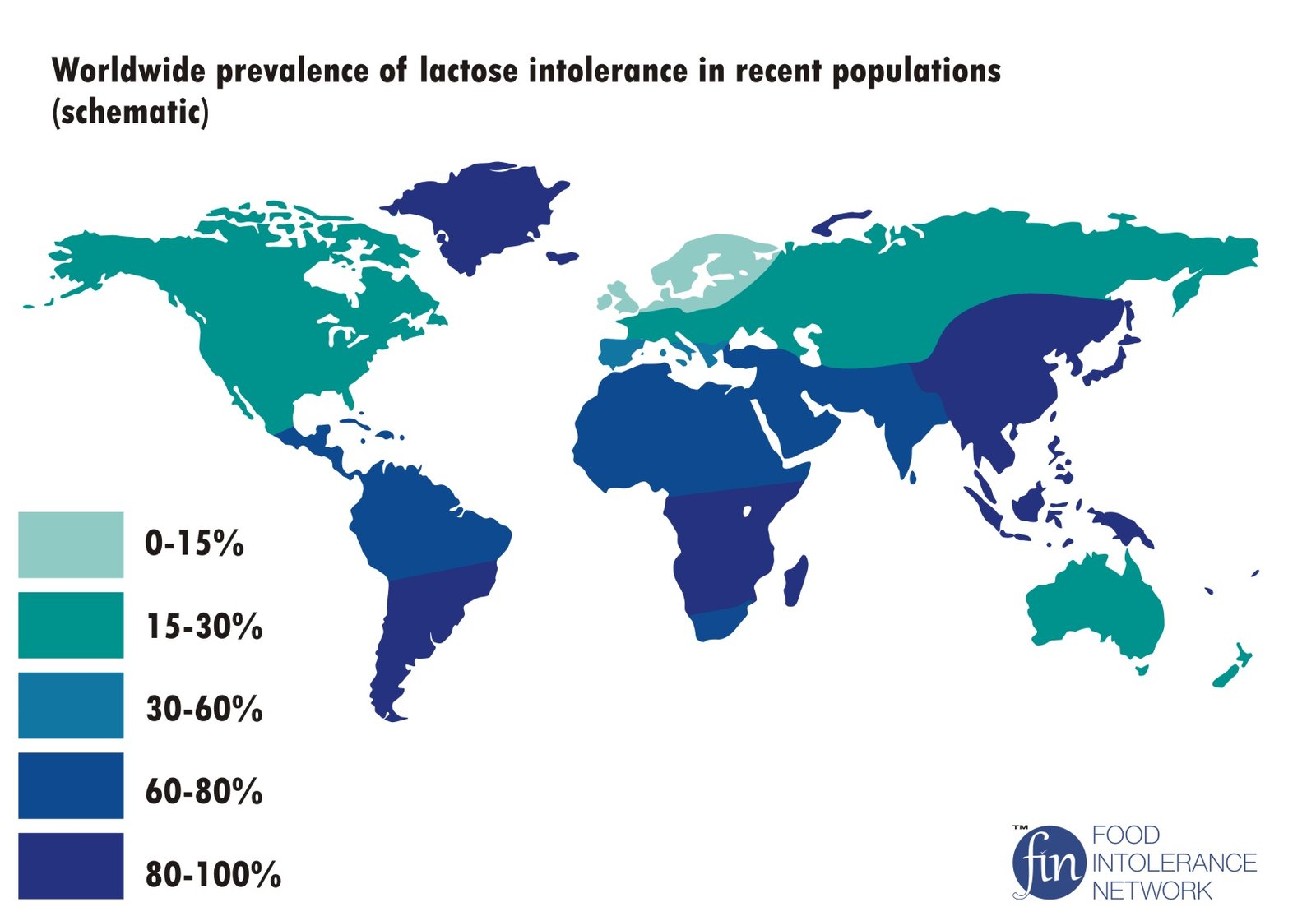
🌍 Why Did Lactase Persistence Evolve in Some Populations? Studyy confirms that LP became more common in populations where dairying was an essential part of the culture and diet — notably in Europe, parts of the Middle East, and some East African communities.
In these areas, milk served not just as food but also as a safe source of hydration when water sources were contaminated. Being able to digest milk meant better survival, especially during famines or droughts. This led to intense evolutionary pressure favouring individuals with the lactase persistence gene variant.
By contrast, in many Asian populations, including much of South Asia, dairying was either adopted later or was not as central to the diet. As a result, lactose intolerance (the inability to fully digest lactose) remains more common today in countries like India, where estimates suggest up to 60–70% of adults may have reduced lactase activity.
🧬 Key Findings from the Study: The study was not uniform: it found that natural selection for lactase persistence occurred at different times and with varying intensity across regions.
- Cultural factors mattered: The spread of LP genes aligned with cultural transitions, such as the shift from foraging to pastoralism and milk-based agriculture.
- Multiple genetic variants: While a single gene mutation (the C/T-13910 variant) explains LP in Europeans, other populations evolved distinct genetic solutions, indicating convergent evolution — where different groups evolved the same trait via different genetic pathways.
- Ancient DNA confirms timing: Genomic data from archaeological samples helped reconstruct when LP became common in certain regions, mainly within the last 7,000–10,000 years.
🥛 Why This Matters for the Indian Dairy Sector
India is the world’s largest producer and consumer of milk, with a rich tradition of dairy consumption and diverse regional practices. Yet many Indian adults still experience lactose intolerance, leading to rising interest in lactose-free milk, fermented dairy products like curd and buttermilk, and value-added options such as probiotic or fortified dairy.
Understanding the genetic basis of milk digestion can help the dairy sector in multiple ways:
- Consumer education: Companies can better inform customers about milk tolerance, leading to more intelligent choices and reduced health misconceptions.
- Product innovation: The demand for lactose-free dairy products in India is growing. Genetic insights help target these offerings more effectively.
- Nutrition policy: As dairy is often promoted as part of India’s nutritional strategy (especially in school feeding programmes), it is essential to recognise that not all individuals digest milk equally well.
- Export strategy: Awareness of LP variation globally can help Indian dairy exporters tailor offerings to sensitive markets in East Asia, where lactose intolerance is widespread.
🌱 Evolution Meets Innovation
As the dairy industry in India moves towards value-added, consumer-specific product development, this kind of genomic research underscores the direct relevance of evolutionary biology to market behaviour.
It also supports the case for expanding dairy nutrition news, launching awareness campaigns around lactose intolerance, and investing in technology that enables the production of diverse, gut-friendly dairy products.
As health-conscious, urban consumers increasingly scrutinise ingredients, processing methods, and health benefits, understanding milk tolerance can be a differentiating factor in product positioning and brand trust.