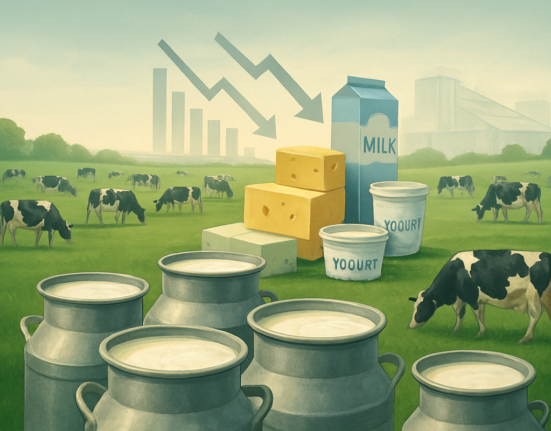
The Surat Municipal Corporation (SMC) has reported that several cow and buffalo milk samples collected across the city failed to meet prescribed quality standards, intensifying concerns over milk dilution and compliance within the local dairy supply chain.
According to findings from the SMC’s Public Health Laboratory, seven cow milk samples were declared substandard due to low milk fat and solids-not-fat (SNF) levels critical indicators used to assess milk composition and detect dilution. A buffalo milk sample also failed on similar grounds.
Heightened Surveillance Following Police Raids
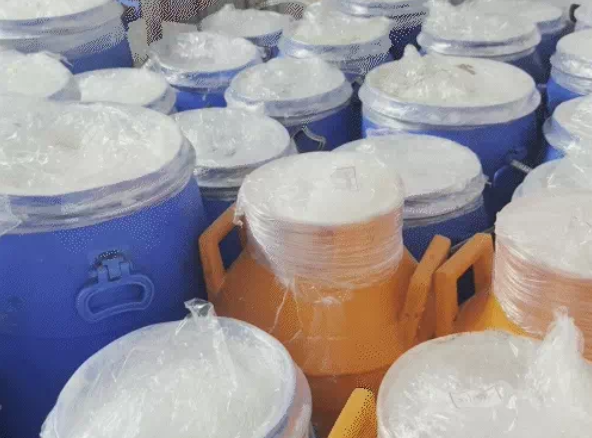
The sampling drive was conducted approximately 15 days ago after law enforcement agencies, including the State Monitoring Cell and Special Operations Group, uncovered rackets allegedly manufacturing counterfeit milk-based products. In recent months, police raids targeted units suspected of producing paneer and ghee using non-milk substitutes, prompting authorities to widen surveillance and testing.
SMC officials stated that low fat and SNF levels typically indicate water adulteration, a common malpractice aimed at increasing milk volume. Importantly, officials clarified that recent tests have not detected the presence of non-milk substances in liquid milk samples.
Wider Implications for Dairy Compliance
An ice-cream sample sold as Kaju Draksh flavour was also found to contain lower milk fat than mandated under regulatory standards. Such findings highlight broader quality control challenges beyond raw milk.
The intensified enforcement drive reflects a growing regulatory emphasis on safeguarding consumer health and protecting the integrity of the dairy value chain. For organised dairy operators, the development underscores the importance of stringent quality assurance systems, transparent sourcing and routine compliance testing.
As urban demand for milk and milk products rises, ensuring adherence to food safety norms remains critical to maintaining consumer trust and preventing reputational risks within the sector.