Climate change is increasingly affecting cattle health, productivity and dairy livelihoods across India, according to a recent study by the Council on Energy, Environment and Water (CEEW). Rising temperatures, intensified heat stress, and the proliferation of disease vectors are contributing to higher illness rates, reduced milk output and greater economic risk for cattle rearers nationwide.
The analysis, titled Cattle and Community in a Changing Climate, surveyed more than 7,300 cattle-rearing households across 15 states, representing 91% of India’s bovine population. This comprehensive coverage underscores the broad reach and severity of climate-related stressors on livestock. Findings indicate that over 50% of buffalo and crossbred cattle keepers, and more than 40% of indigenous cattle rearers, have experienced adverse climate impacts, including increased disease incidence and mortality.
Heat Stress and Disease Rates Surge
The most frequently reported climate impact was a rise in disease occurrence, with roughly 33% of households noting this challenge. Heat stress exacerbated by higher wet-bulb temperatures, which combine air temperature with humidity, weakens bovine immune systems and creates favourable conditions for vectors such as flies and ticks. These vectors carry illnesses such as lumpy skin disease, increasing health risks for cattle.
CEEW researchers explain that warmer conditions compromise animals’ physiological resilience, particularly in crossbred animals that are less adapted to tropical climates. For example, Jersey cows, a common crossbred, have fewer sweat glands than indigenous breeds, making it harder for them to dissipate heat effectively. Consequently, these animals are more susceptible to heat-induced stress, reduced feed intake and slower digestion, all factors that diminish milk yield.
Milk Yield Declines and Economic Consequences
Climate-linked stressors have direct economic implications for dairy producers. The study found that between 12% and 14% of cattle rearers reported declining milk output due to rising temperatures. Reduced lactation periods and the early retirement of animals further compound productivity losses, affecting both household income and broader rural livelihoods.
Given that milk contributes approximately 5% to India’s Gross Domestic Product (GDP) and that cattle rearing supports the livelihoods of over 80 million farmers, climate-driven declines in productivity pose a significant risk to economic stability and rural welfare.
Feed Scarcity and Rising Costs
Beyond heat stress and disease, climate change is expected to reduce feed and fodder availability, pushing up costs for smallholder rearers. Already, more than 70% of surveyed households report difficulty in accessing affordable feed, indicating that climate-induced resource scarcity is affecting herd management and profitability.
Adaptation: Strengthening Resilience
Despite these challenges, the study found a strong desire among cattle rearers to sustain and expand their herds, with 75% expressing interest in continuing cattle rearing and 40% wishing to increase herd sizes. However, adapting to climate pressures will require targeted support.
CEEW researchers recommend several strategic interventions:
- Selective breeding of indigenous cattle: Indigenous breeds are more heat-tolerant than many crossbreds. Enhanced breeding programmes could improve both climate resilience and productivity.
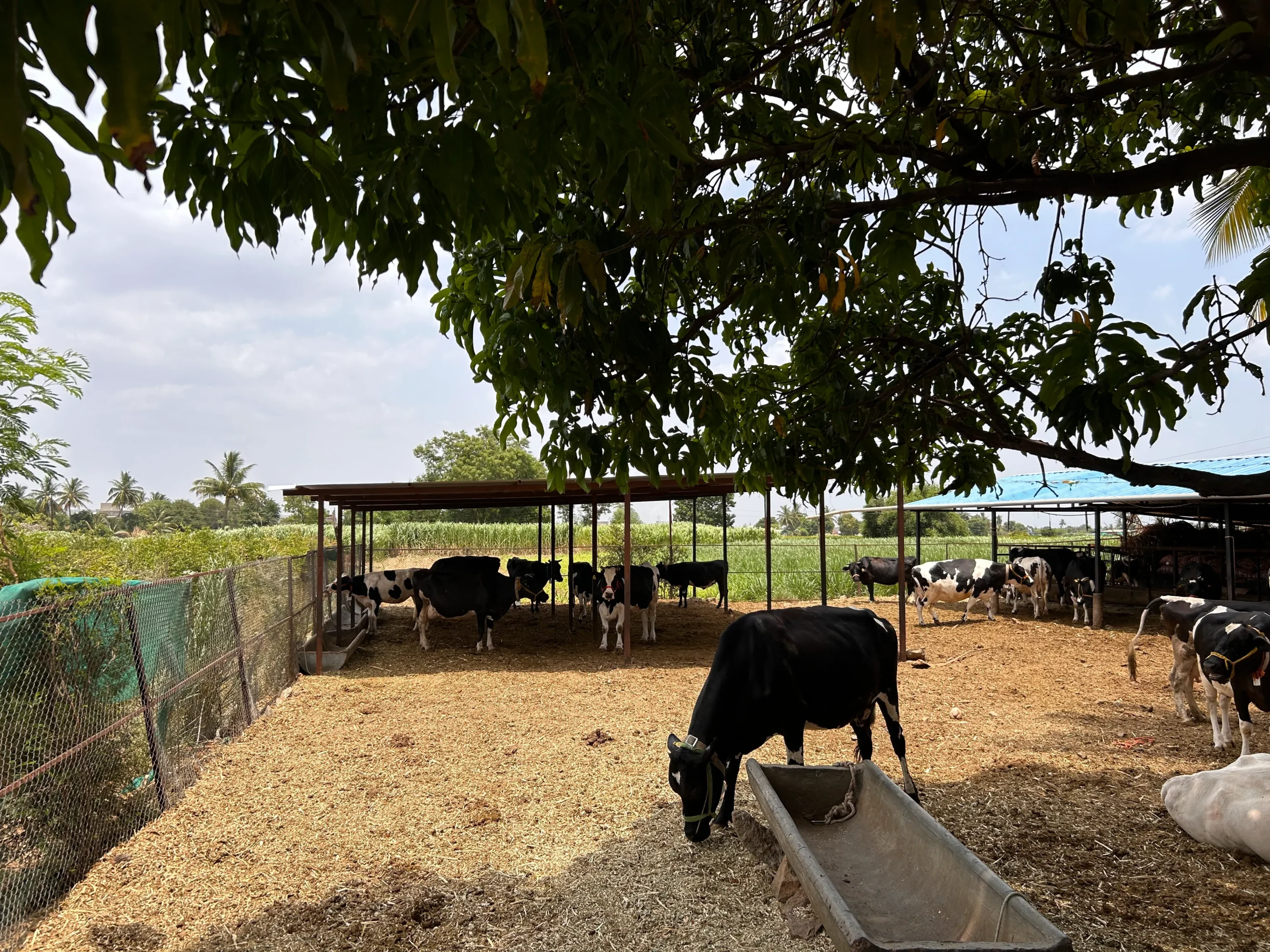
- Improved shelter infrastructure: Better-ventilated, shaded animal sheds can mitigate heat stress. Subsidies and affordable credit for shed construction would enable farmers to protect livestock more effectively.
- Nutrient-rich feed and fodder: Ensuring high-quality feed can bolster animal immunity and reduce susceptibility to disease.
- Awareness and extension services: Knowledge initiatives that help rearers understand climate risks and breed selection trade-offs will support informed decision-making and sustainable herd growth.
The Path Ahead
The CEEW study highlights that climate change is not an abstract threat but a present and growing challenge for India’s dairy sector. Interventions that enhance livestock resilience through genetics, infrastructure and nutrition are critical to maintaining productivity and safeguarding rural livelihoods.
As temperatures continue to rise, adaptive strategies that integrate scientific insights with grassroots needs will be essential to future-proof cattle rearing and sustain India’s position as the world’s largest milk producer.