Abuja: Nigeria has unveiled an ambitious plan to more than double the contribution of its livestock sector to the national economy, targeting an increase from an estimated $32 billion to more than $64 billion annually.
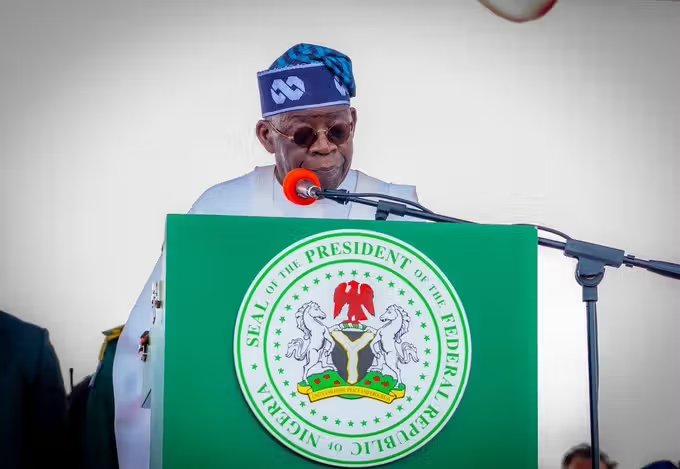
The announcement was made by President Bola Tinubu at the opening of the 9th All Africa Conference on Animal Agriculture in Abuja. The President, represented by Secretary to the Government of the Federation George Akume, said the government aims to transform livestock farming from largely subsistence-based activity into a modern, commercially viable and globally competitive industry.
Government Targets Major Livestock Transformation
The proposed expansion will focus on improving productivity across Nigeria’s livestock value chain.
Key priorities include:
- Improved animal genetics and breeding
- Better animal health services
- Expansion of commercial feed production
- Development of modern livestock infrastructure
- Climate-smart production systems
- Stronger value chains and processing capacity
- Greater private-sector participation
- Improved access to finance and technology
The government believes these measures can unlock significant economic potential while creating employment opportunities for millions of Nigerians.
Ranching and Modern Livestock Systems
Ranching has been highlighted as an important component of Nigeria’s livestock transformation strategy.
The government plans to promote modern livestock production systems, including ranching and improved pasture management, with the aim of increasing productivity while addressing conflicts associated with traditional livestock production.
The National Livestock Growth Acceleration Strategy will cover multiple segments of the industry, including dairy production, meat processing, leather, feed milling and livestock infrastructure.
Dairy Production at the Centre of the Strategy
Dairy is expected to play a major role in Nigeria’s livestock expansion plans.
The government has set a target of doubling domestic milk production, reducing the country’s dependence on imported milk and strengthening the local dairy value chain.
The dairy transformation programme will focus on:
- 🐄 Improved dairy breeds and genetics
- 🌱 Better nutrition and pasture development
- 🧬 Modern breeding systems
- 🥛 Expansion of milk collection infrastructure
- 🏭 Modern dairy processing facilities
- 💰 Increased private-sector investment
- 🌾 Commercial feed production
The government expects stronger domestic dairy production to create additional opportunities for farmers, processors and other businesses across the value chain.
New Ministry Driving Livestock Development
The establishment of the Federal Ministry of Livestock Development in July 2024 was described as a major step towards unlocking Nigeria’s livestock potential.
The ministry is implementing recommendations from the Presidential Committee on Livestock Reforms, covering productivity, governance, livestock development, peaceful production systems and private-sector investment.
The broader objective is to develop livestock into an integrated commercial industry spanning production, processing, transportation, technology, finance and exports.
Focus on Youth and Women
The government also sees livestock development as an opportunity to generate employment for Nigeria’s growing young population.
Greater participation by young people and women is expected to be encouraged through improved access to:
- Finance
- Digital technologies
- Innovation
- Training
- Value-chain opportunities
- Private-sector partnerships
Africa-Wide Cooperation
President Tinubu also called for greater cooperation among African countries to address common challenges affecting livestock production.
These include animal diseases, climate change, food insecurity, trade barriers and cross-border livestock movement.
Nigeria plans to support greater regional livestock trade under the African Continental Free Trade Area (AfCFTA), potentially opening new markets for livestock and dairy products across Africa.
Livestock Sector Seen as a Major Economic Opportunity
The government believes that Nigeria’s livestock industry can become a significant driver of economic growth, food security and employment.
The strategy seeks to move the sector beyond its traditional role as a source of food and develop it into a modern, technology-driven and commercially integrated industry.
The five-day 9th All Africa Conference on Animal Agriculture, which began on August 9, is focusing on animal health, disease control, climate-smart livestock production, genetics, regional trade, research, innovation and investment.
Nigeria’s target is clear: double domestic milk production, modernise livestock farming and more than double the sector’s economic contribution to over $64 billion annually.