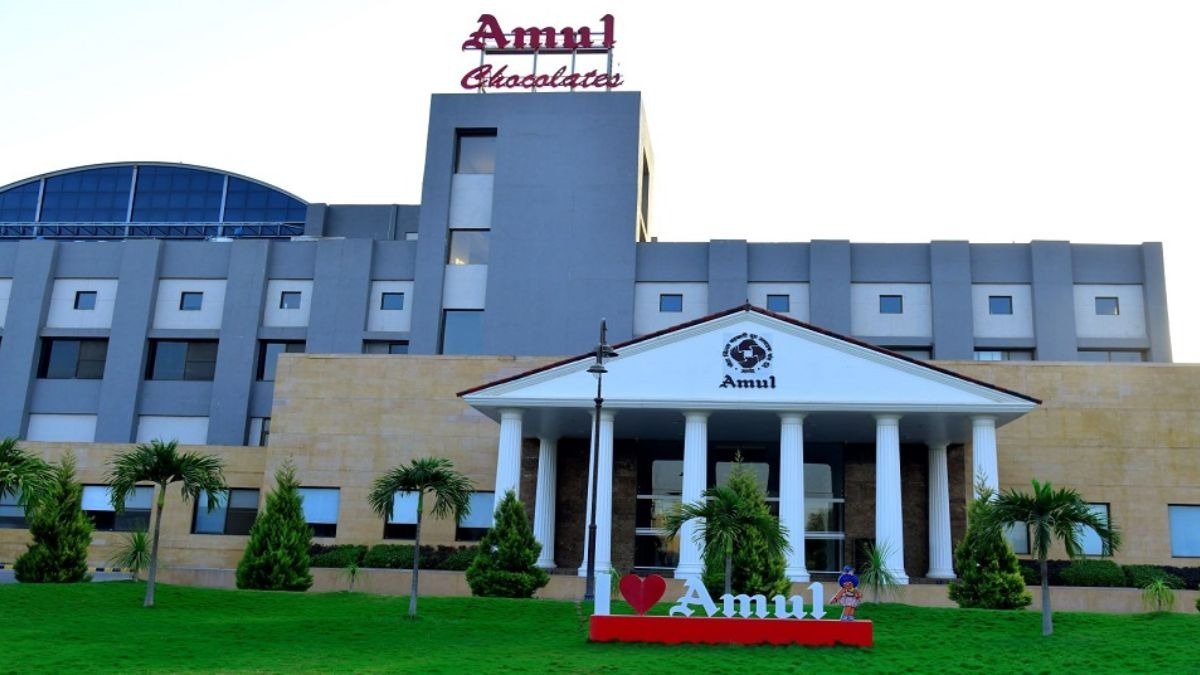
Amul is stepping up its expansion in southern India with a proposed investment of ₹500 crore across Telangana and Andhra Pradesh, signalling a stronger push to build its presence beyond its traditional markets. The proposed investment is expected to focus not only on expanding sales but also on strengthening the dairy value chain, including milk procurement, farmer linkages, processing and distribution.
The expansion could mark an important development for the organised dairy sector in both states. By increasing its operational presence, Amul could create a broader network connecting milk producers with collection infrastructure and processing facilities while strengthening the availability of its products across regional markets.
Focus on the Dairy Value Chain
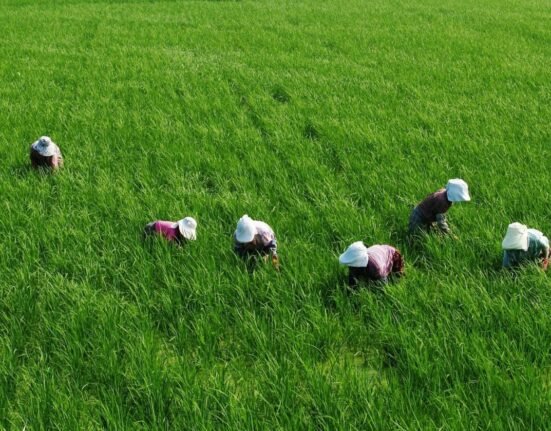
A key aspect of the proposed investment is its potential impact on milk procurement. Establishing stronger village-level collection networks can provide farmers with additional organised channels to market their milk.
For dairy farmers, procurement infrastructure is particularly important because access to reliable buyers can influence the stability of milk sales. A larger organised procurement network could also increase competition for milk supplies, particularly in areas where cooperative and private dairy companies already operate.
The expansion could therefore have implications beyond Amul’s retail footprint. Increased competition at the procurement level could encourage dairy companies to strengthen farmer relationships, collection systems and support services.
| Area | Potential Impact |
|---|---|
| Milk procurement | Greater competition for milk supplies |
| Farmer linkages | Wider access to organised dairy networks |
| Processing | Potential increase in regional processing capacity |
| Distribution | Deeper reach across Telangana and Andhra Pradesh |
| Market competition | Stronger competition between cooperatives and private dairies |
Greater Competition in Southern Dairy Markets
Telangana and Andhra Pradesh already have established dairy ecosystems involving cooperatives, regional brands and private dairy companies. Amul’s proposed investment could intensify competition across these segments.
For private dairies, a larger Amul presence could mean greater competition for both consumers and milk procurement. Companies may need to strengthen their farmer networks, product portfolios, distribution capabilities and consumer engagement to maintain their market positions.
For cooperatives, the development could create another competitive dynamic. Amul’s cooperative model has historically focused on connecting farmers with processing and consumer markets, and expanding that model into new regions could encourage greater attention to procurement efficiency and farmer participation.
Expansion Beyond Traditional Strongholds
The proposed Telangana and Andhra Pradesh investment also reflects a wider shift in India’s dairy industry. Large dairy organisations are increasingly looking beyond their traditional geographic markets to build regional supply chains and capture opportunities in growing consumption centres.
For Amul, deeper infrastructure in southern India could help it move beyond being primarily a consumer-facing brand in these markets and develop a more integrated regional presence.
However, the long-term success of the expansion will depend on execution. Building processing and distribution capacity is only one part of establishing a sustainable dairy network. Consistent milk procurement, farmer relationships and efficient supply-chain operations will also be crucial.
What It Could Mean for Farmers
The most significant measure of the investment may ultimately be its impact at the farm level.
If the expansion results in stable procurement arrangements, better market access and stronger support for dairy producers, farmers could benefit from a more organised and competitive milk market. Greater competition among buyers may also encourage dairy companies to improve their engagement with producers.
At the same time, the ₹500 crore investment should be viewed as the beginning of a larger expansion strategy rather than an immediate transformation of the regional dairy market.
For Telangana and Andhra Pradesh, Amul’s proposed investment could reshape competitive dynamics across procurement, processing and distribution. For private dairies and cooperatives, it represents a stronger competitor. For farmers, it could provide new market opportunities.
The key question now is whether Amul can translate the proposed investment into a durable regional supply chain that creates value from the farm gate to the consumer.