Plant-based milk alternatives are losing momentum in several major markets as consumers increasingly return to traditional dairy milk, driven by concerns over price, nutrition and product ingredients.
According to market-research firm Circana, sales volumes of plant-based milk alternatives in the United States declined 5.4% over the past year. Almond milk, the largest-selling category, recorded an even sharper 7.9% decline. The slowdown is also visible in Europe, with plant-based milk volumes in Britain falling 2.5% in the year to June. Growth has also weakened across France, Italy, the Netherlands and Spain.
The shift comes after years of rapid expansion for plant-based beverages. Alternative milks became mainstream during the 2010s, supported by growing consumer interest in environmental issues, animal welfare and alternatives to conventional dairy products.
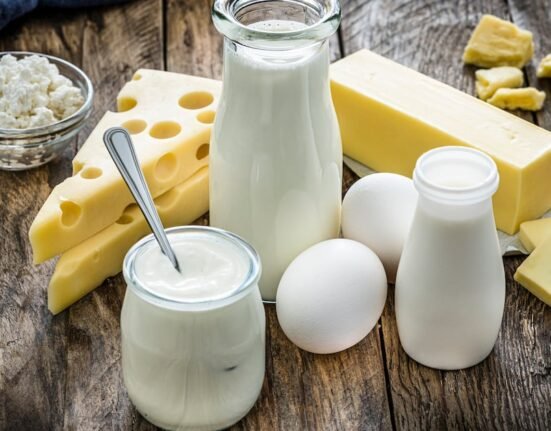
However, changing economic conditions have influenced purchasing decisions. Dairy milk prices declined in 2023, making conventional milk more attractive to consumers facing higher household expenses. As affordability has become increasingly important, some shoppers have returned to dairy products.
Health perceptions are also influencing the market. Consumers are paying closer attention to ingredient lists amid wider concerns about ultra-processed foods. Some plant-based beverages contain ingredients such as oils, gums, sugars, stabilisers and flavourings, depending on the product.
Nutritional differences are another factor. Cow’s milk naturally provides substantially more protein than oat milk, while some plant-based products require fortification to provide nutrients such as calcium, iodine and vitamins.
| Market trend | Recent development |
|---|---|
| United States | Plant-based milk volume down 5.4% |
| US almond milk | Volume down 7.9% |
| Britain | Plant-based milk volume down 2.5% |
| Europe | Growth slowing in several markets |
| Dairy milk | Sales showing signs of recovery |
| High-protein dairy | Strong growth in products such as quark and skyr |
Dairy companies are benefiting from growing interest in protein-rich products. Arla, Europe’s largest dairy cooperative, has reported annual revenue growth of about 25% since 2024 from high-protein products including quark and skyr.
Plant-based manufacturers, meanwhile, are adapting their strategies rather than abandoning the category. Alpro, Danone’s plant-based brand, is focusing on fortified products containing calcium, protein, iodine and vitamins. The company has also introduced products designed to appeal to consumers seeking reduced sugar.
Innovation is becoming another major strategy. Instead of simply positioning products as substitutes for cow’s milk, manufacturers are introducing new flavours and formats. Oatly, for example, has expanded beyond conventional oat milk with flavours such as popcorn and matcha. Its matcha product has reportedly become its best-selling flavoured product since its launch in 2025.
Alpro has also explored seasonal flavours, with its cinnamon-roll beverage contributing to interest in the company’s new product strategy.
The market is additionally seeing experimentation with alternative ingredients. Pistachio, pecan and barley-based beverages are appearing on supermarket shelves, while consumer interest in traditional oat, almond and cashew varieties has weakened according to social-media analysis firm Tastewise.
The changing market does not necessarily mean consumers are abandoning plant-based beverages altogether. Some consumers have developed strong preferences for these products based on their taste and lifestyle rather than simply viewing them as replacements for dairy.
The future of the category may therefore depend on whether manufacturers can attract new consumers through better nutrition, distinctive flavours and competitive pricing. At the same time, the renewed interest in dairy milk highlights the continuing importance of affordability, protein and perceived nutritional value in consumer purchasing decisions.