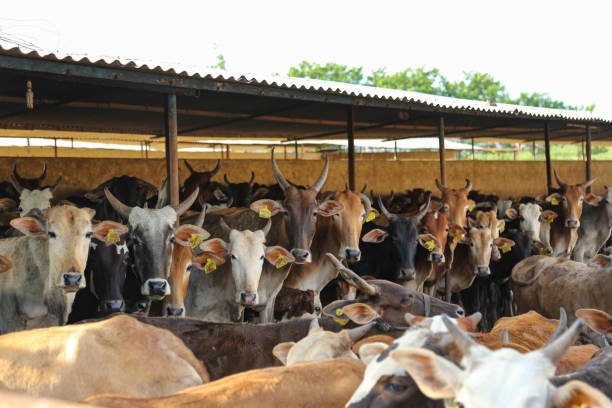
Climate-resilient dairy farming is emerging as an important approach for helping smallholder households manage the growing challenges posed by climate change. Rising temperatures, unpredictable weather, water shortages and changes in feed availability are affecting livestock health, milk production and farm profitability. A proposed project on climate-resilient dairy farming seeks to address these challenges by equipping smallholder dairy farmers with practical knowledge, resources and sustainable production methods.
The project focuses on strengthening the ability of dairy farms to withstand climate-related risks while maintaining milk production and improving resource efficiency. Smallholder farmers are particularly vulnerable because many depend heavily on livestock for household income and food security. Climate-related production losses can therefore have direct economic consequences for farming communities.
Improving Farm Resilience
The proposed initiative will promote practices designed to improve water management, feed efficiency and animal husbandry. Training programmes will introduce farmers to climate-smart agricultural techniques, including improved livestock nutrition, water conservation, soil management and the use of climate-resilient fodder.
Heat stress is another major concern for dairy cattle as temperatures increase. Better animal management, improved nutrition and appropriate farm practices can help reduce the effects of heat stress and support animal health and productivity.
The project also proposes establishing demonstration farms where farmers can observe climate-resilient practices in real operating conditions. These sites would act as practical learning centres, allowing farmers to understand how new techniques can be implemented on their own farms.
Training and Collaboration
Farmer training is expected to form a central component of the project. Workshops and capacity-building sessions will provide practical guidance on climate adaptation, livestock nutrition, water use and farm management.
The initiative also proposes collaboration between farmers, researchers, agricultural extension services and policymakers. Such partnerships could help farmers access technical advice and allow successful practices to be shared more widely.
Research and data collection will support the implementation process. Information on milk production, feed expenditure, water consumption and animal health will be collected to assess the effectiveness of different interventions.
Proposed Project Targets
| Indicator | Proposed Target | Timeline |
|---|---|---|
| Smallholder households supported | 150 | 12 months |
| Increase in milk yield | 20% | 12 months |
| Reduction in feed costs | 15% | 12 months |
| Adoption of recommended practices | 80% | 12 months |
| Training workshops | 10 | 12 months |
| Reduction in disease incidence | 30% | 12 months |
| Reduction in water use per litre of milk | 25% | 12 months |
The project expects climate-resilient practices to contribute to improved farm productivity and profitability. Better feed management and efficient water use could help farmers reduce operating costs, while improved animal health could support more consistent milk production.
Environmental benefits are also expected. Sustainable resource management can help reduce pressure on water resources, improve soil health and potentially lower the environmental footprint of dairy production.
Monitoring and Evaluation
A monitoring and evaluation framework will track progress throughout the proposed 12-month implementation period. Household surveys, farmer interviews, field observations, milk production records, veterinary records and financial information will be used to measure results.
Regular evaluations would allow project managers to identify challenges and adjust activities where necessary. Data collected during the project could also provide evidence for expanding successful climate-resilient dairy practices to additional farming communities.
The proposed initiative ultimately aims to strengthen the resilience of smallholder dairy households while supporting sustainable milk production. By combining farmer training, demonstration farms, technical support, research and resource-efficient practices, climate-resilient dairy farming could help farming communities respond more effectively to changing environmental conditions.