Irish dairy farmers operate in a market where individual producers have limited control over the price they receive, creating pressure on margins and making efficiency increasingly important. A new agtech project, FarmFlow, is exploring how artificial intelligence could give farmers better tools to respond to this challenge.
The idea is explored in the first article of Síol, a new weekly newsletter documenting the development of FarmFlow alongside the realities of building an agtech startup while studying for A-Levels.
From price takers to smarter decision makers
Irish dairy farming operates within a highly competitive agricultural market. Farmers often face input costs that they cannot fully control while having limited influence over the price paid for their milk. Feed, fertiliser, energy, labour, machinery and other operating expenses can all affect profitability.
This creates what FarmFlow describes as a “perfect competition” trap. When many producers supply a similar commodity, individual farmers have little ability to differentiate their product or dictate market prices.
Artificial intelligence could provide a different form of advantage: not by changing the market overnight, but by helping individual farms make better decisions.
FarmFlow’s approach focuses on applying AI to the practical realities of farming rather than treating the technology as a boardroom buzzword. Data generated by farms could potentially be used to identify patterns, anticipate problems and support more informed decisions.
For dairy farmers, this could include analysing production performance, monitoring costs, identifying inefficiencies and helping determine where resources should be allocated.
Turning farm data into decisions
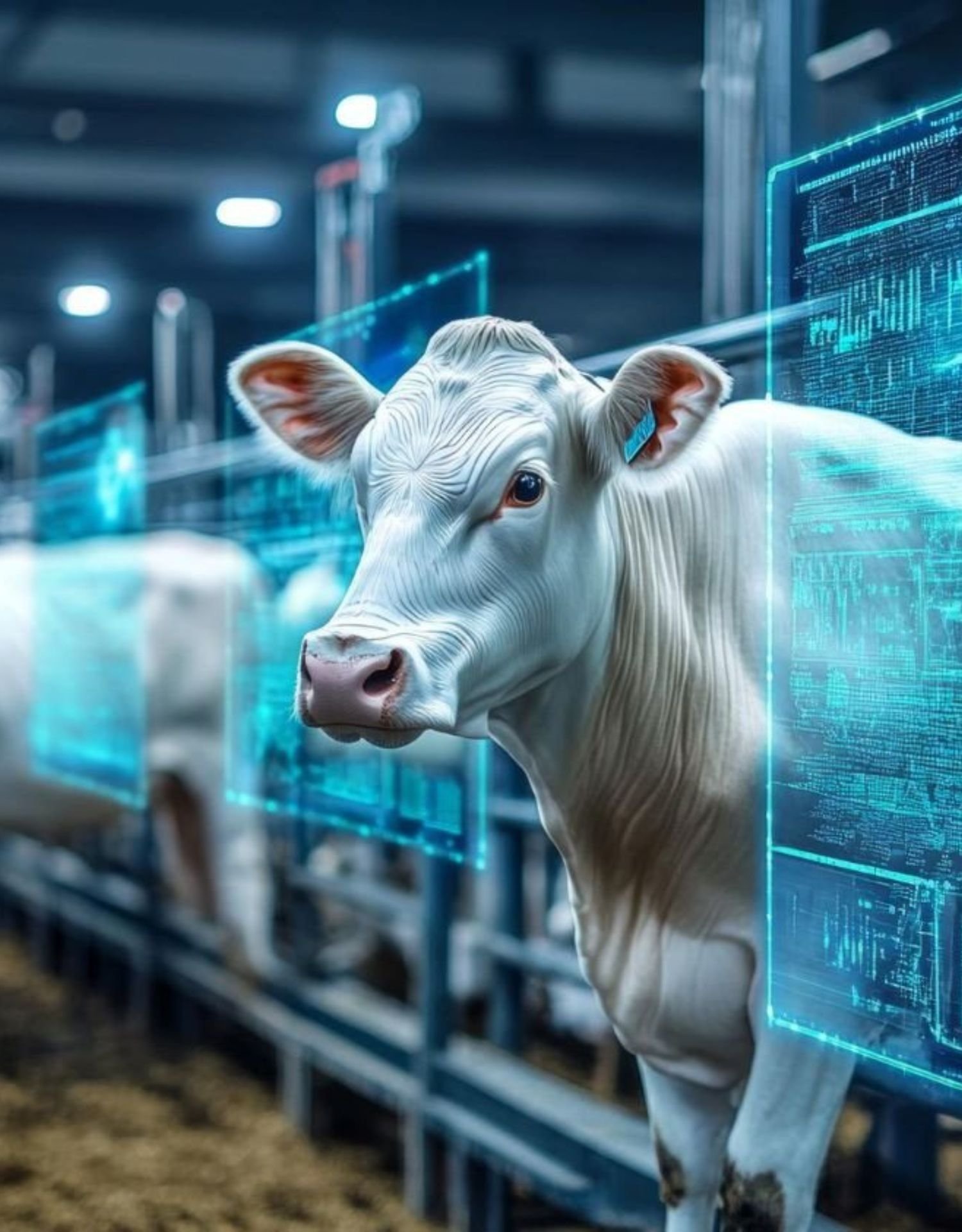
The value of AI in agriculture is closely linked to the quality and usefulness of the information available to farmers. Modern farms can generate significant amounts of data through sensors, farm-management software, machinery and livestock monitoring systems.
The challenge is turning that data into information that farmers can actually use.
Instead of simply presenting large datasets, AI-powered systems could help translate information into practical recommendations. A farmer could potentially use the technology to understand why production costs are increasing, identify unusual changes in herd performance or compare operational patterns over time.
This could make technology less about replacing the farmer and more about strengthening the farmer’s decision-making ability.
For FarmFlow, that distinction is important. The goal is not simply to introduce another digital platform to farms. It is to explore whether technology can provide farmers with greater visibility and control over the factors that influence their businesses.
| Challenge | Potential AI contribution |
|---|---|
| Rising input costs | Cost and efficiency analysis |
| Large volumes of farm data | Automated data interpretation |
| Production uncertainty | Pattern and trend identification |
| Limited pricing power | Improved operational decision-making |
| Time-consuming analysis | Faster access to actionable insights |
Building an agtech company while studying
The Síol newsletter also provides a behind-the-scenes perspective on developing FarmFlow. Rather than presenting the startup as a polished success story, the project aims to document the technical difficulties, experimentation and uncertainty involved in building an agricultural technology business from scratch.
That includes the less visible side of startup development: technical problems, late-night troubleshooting, product decisions and questions about where agriculture is heading.
The project also forms part of an A-Level Media Studies and ICT coursework assignment. Instead of creating a fictional media product purely for assessment, the creator is using the coursework as an opportunity to develop a real publication around an active technology project.
The first article, “Outsmarting the Grid: Can AI Break the ‘Perfect Competition’ Trap for Irish Dairy?”, examines whether artificial intelligence can help Irish dairy farmers operate more strategically within a market where individual producers have traditionally had limited pricing power.
As agricultural technology continues to develop, the bigger question may not be whether AI can replace traditional farming practices, but whether it can give farmers better information, faster analysis and greater control over everyday decisions.
For FarmFlow, that question sits at the centre of its development—and Síol intends to document the journey as it happens.