The Food Safety and Standards Authority of India (FSSAI) has proposed regulatory changes that could reshape how non-dairy alternatives are marketed and sold in India. A draft amendment dated 22 September 2026, published in the Gazette of India on 23 September, proposes restricting the use of the name “paneer” for products made from constituents not derived from milk.
The proposal highlights an important issue for India’s dairy industry: protecting the identity of standardised dairy products while ensuring consumers receive accurate information about the foods they purchase. The draft is open to objections and suggestions within the prescribed 60-day consultation period and should not be treated as final law.
Understanding the Legal Identity of Paneer
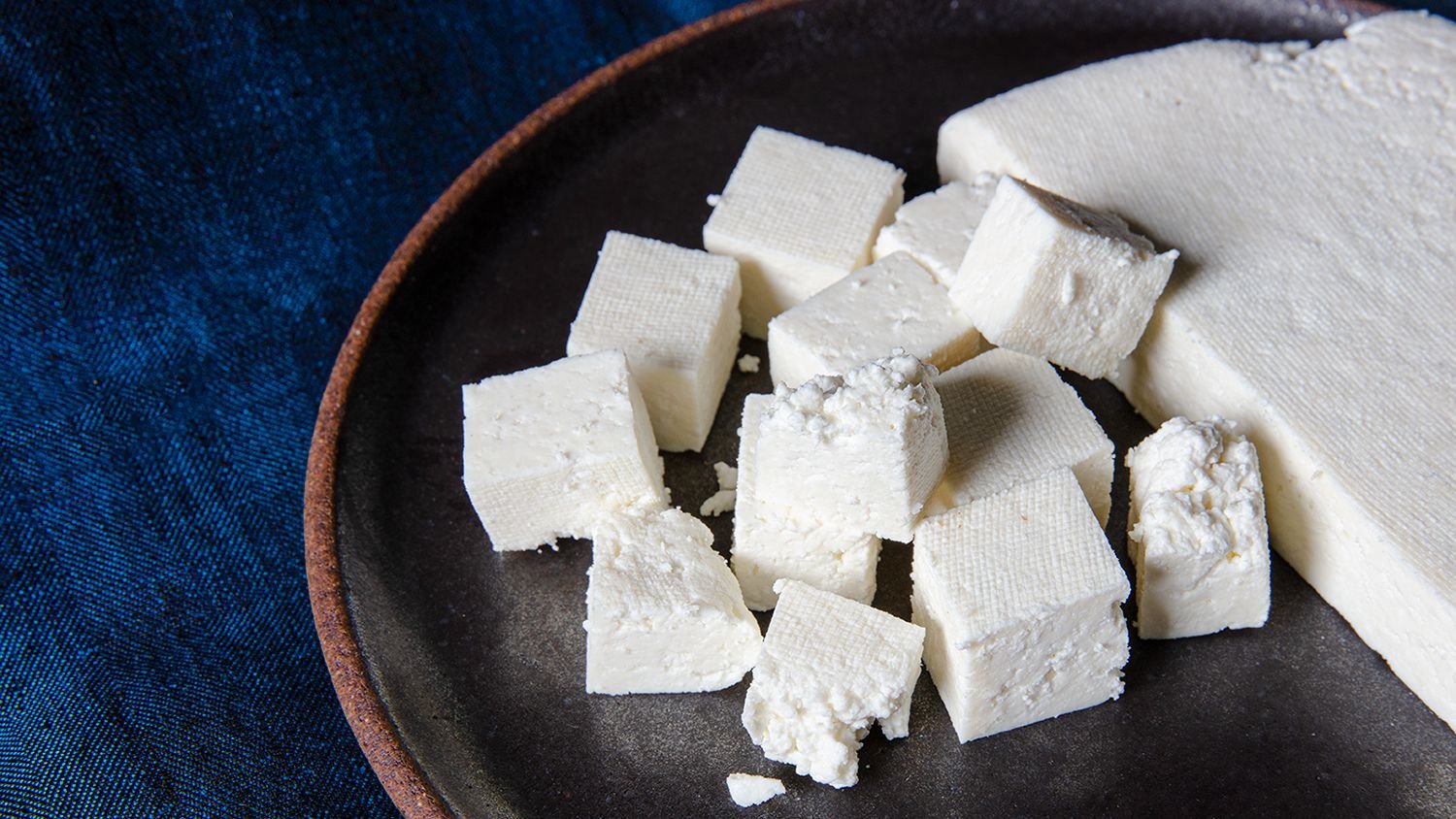
Under existing food standards, paneer or chhana is defined as a product obtained from milk, with or without added milk solids, through precipitation using permitted acidulants and heating. Milk-derived ingredients are central to its standardised identity.
Dairy analogues differ in composition. They use ingredients not derived from milk to replace some or all milk constituents while producing a food that resembles a milk product in taste, texture or function.
The proposed amendment seeks to prevent products made from non-milk constituents from using “paneer” in their nomenclature, labelling or marketing. It also addresses products already licensed or registered under the “Analogue in Dairy Context” category.
Importantly, a dairy analogue is not automatically unsafe or adulterated simply because it contains non-dairy ingredients. Its legal status depends on applicable food standards, composition, labelling and how it is represented to consumers. The distinction between misleading descriptions and food safety violations is therefore essential.
Tofu Shows Why Clear Food Categories Matter
Tofu provides a useful comparison. It is a soybean-based product made by coagulating soy-derived liquid and pressing it into blocks. It has its own food identity and is not automatically a dairy analogue merely because it resembles paneer or is used in similar dishes.
This illustrates a broader principle for the food sector: alternatives can serve similar culinary purposes without being marketed under the identity of a different standardised product.
For dairy manufacturers, the proposed restriction could strengthen the distinction between milk-based paneer and products developed using plant-based or other non-milk ingredients. For alternative-protein businesses, it underscores the importance of transparent product names and descriptions that accurately communicate composition.
Restaurants and Online Menus Present Enforcement Challenges
The issue extends beyond packaged food. A manufacturer may label a product correctly, but information about its composition may be lost when it reaches restaurants, caterers and food delivery platforms.
For example, a restaurant might purchase a dairy analogue and advertise a dish as “Paneer Butter Masala” without informing customers that the principal ingredient is not milk-derived paneer. Customers ordering through online menus may have even fewer opportunities to inspect packaging or ingredient details.
The draft follows earlier regulatory discussion about disclosure when dairy analogues are used by food-service establishments. The article’s account also refers to August 2026 proceedings before the Bombay High Court involving Udupi Swaad Restaurant and the Maharashtra Food and Drug Administration, highlighting concerns about serving analogue products without adequately informing customers.
These examples demonstrate why implementation may require attention to restaurant menus, catering contracts, product procurement and online descriptions, in addition to retail packaging.
Consumer Protection and Dairy Industry Implications
The Consumer Protection Act, 2019 recognises consumers’ right to information about the quality, quantity, purity, standard and composition of goods. False representations about a product’s composition or standard may also raise concerns under consumer protection law.
For the dairy industry, clearer naming rules could help preserve consumer understanding of products such as paneer and reduce confusion between dairy-based foods and alternatives. Dairy processors and milk producers may benefit from more consistent market descriptions, while food businesses will need to assess their product labels, menus and marketing materials against applicable requirements.
At the same time, alternative-protein manufacturers may need to review existing product names and prepare for possible changes if the draft is adopted. Clear and accurate descriptions can support consumer choice while allowing different product categories to compete transparently.
Consultation Will Shape the Final Regulatory Approach
Several practical questions remain for the consultation process. These include how partially substituted products should be described, what terminology restaurants should use, how online platforms should communicate ingredients, and what transition arrangements may apply to businesses already operating under the analogue category.
The final impact will depend on the wording of the regulations ultimately notified, the implementation timeline and enforcement guidance issued by the authorities.
The central issue is not whether alternatives should exist in the market, but whether consumers can understand what they are buying. As FSSAI considers the proposed amendment, accurate product naming and transparent disclosure remain important to consumer confidence and fair competition across India’s dairy and alternative-food sectors.