Higher milk component values support supplier payments as the Irish dairy cooperative balances seasonal milk volumes, global market conditions and winter supply incentives.
Tirlan has increased its September milk price, reflecting the contribution of milk protein returns and the value of milk components to dairy processing and market performance. The move comes as seasonal milk deliveries begin to decline across spring-calving herds, placing greater emphasis on milk composition, processing efficiency and the management of winter supplies.
According to the reported figures, the cooperative achieved an average realised milk price of 50.80 cents per litre. Higher fat and protein percentages during the later stages of lactation can improve the value of milk supplied for processing, particularly for products such as whole milk powder, butter and specialised nutritional ingredients.
Milk composition supports processing efficiency
Milk production typically follows seasonal patterns in spring-calving systems, with daily deliveries declining as herds progress through lactation. Although total milk volumes may fall, late-season milk can contain higher concentrations of fat and protein, making component-based pricing particularly important for dairy farmers.
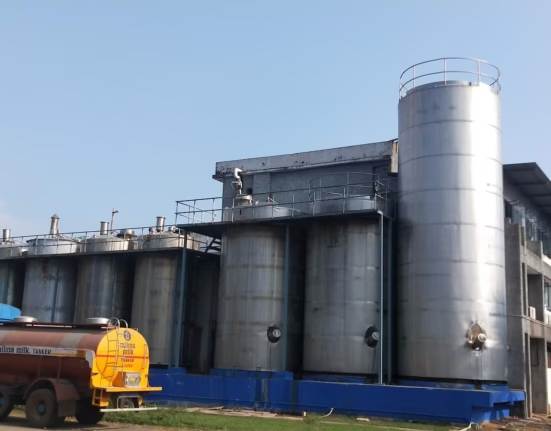
For processors, these components influence product yields and the efficiency with which raw milk is converted into finished dairy products. Facilities such as Tirlan’s Belview processing site must manage changing milk volumes while maintaining production efficiency across powder, butter and other value-added product lines.
Milk quality remains an important consideration throughout this period. Somatic cell counts, bacterial levels and other quality indicators can affect processing performance, product quality and shelf life. Maintaining appropriate quality standards is therefore essential for meeting customer requirements in domestic and export markets.
As milk intake declines towards the winter production trough, processors must also manage factory utilisation and fixed operating costs. Effective scheduling and throughput management help maintain cost efficiency when less raw milk is available for processing.
Global dairy markets present a mixed outlook
International dairy markets continue to influence the prices processors can realise for milk-derived products. Demand and returns for dairy proteins remain important for whole milk powder, skim milk powder and specialised whey ingredients supplied to markets across Europe, North Africa and the Middle East.
However, expanding milk production across major exporting regions is adding to global supply. This increase may limit the scope for rapid commodity price rises, even when selected dairy ingredients continue to deliver comparatively resilient returns.
For cooperatives, this environment makes milk pricing and supply planning particularly important. Payments must remain competitive enough to support farmers while reflecting the prices achievable in international and domestic markets.
Tirlan is also using targeted supply incentives to encourage milk deliveries during periods when seasonal production is lower. The reported arrangements include a premium of 13 cents per litre for dedicated fresh milk suppliers and 12 cents per litre for autumn-calving milk contracts. These incentives are intended to support more balanced supply throughout the year and maintain raw milk availability for fresh milk and consumer dairy operations during winter.
Winter payments offer greater income certainty
The cooperative has also adjusted its seasonal payment arrangements. According to the reported details, the January seasonality payment will rise from 7 cents to 9 cents per litre. December and February payments will remain at 5 cents per litre for suppliers meeting the required quality standards.
These measures complement a four-month milk price floor framework for the closing months of 2026. Such arrangements can provide supplying farmers with greater visibility over expected milk income during a period when production volumes and farm cash flow may be under pressure.
Seasonal payments are particularly relevant for dairy businesses managing feed, labour, energy and other operating expenses during the winter months. Greater pricing certainty can help farmers plan expenditure, although actual income will still depend on milk volumes, applicable quality requirements and the terms of the payment arrangements.
Balancing supplier returns and long-term investment
For a dairy cooperative, maintaining competitive farmgate prices must be balanced against working capital requirements, manufacturing costs and investment needs. Processing facilities also face pressure to improve environmental performance, reduce emissions and modernise production infrastructure.
Tirlan’s reported pricing and seasonal support measures reflect the challenge of maintaining supplier confidence while navigating changes in global commodity markets and seasonal milk availability.
The broader outlook for dairy processors will depend on international demand, production growth in exporting countries, milk component values and the ability to operate plants efficiently as intake changes. For farmers, the price increase and winter incentives offer support, while the market environment continues to underline the importance of milk quality, production planning and cost control.