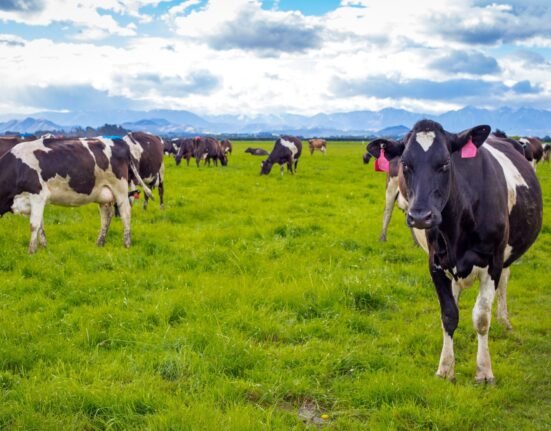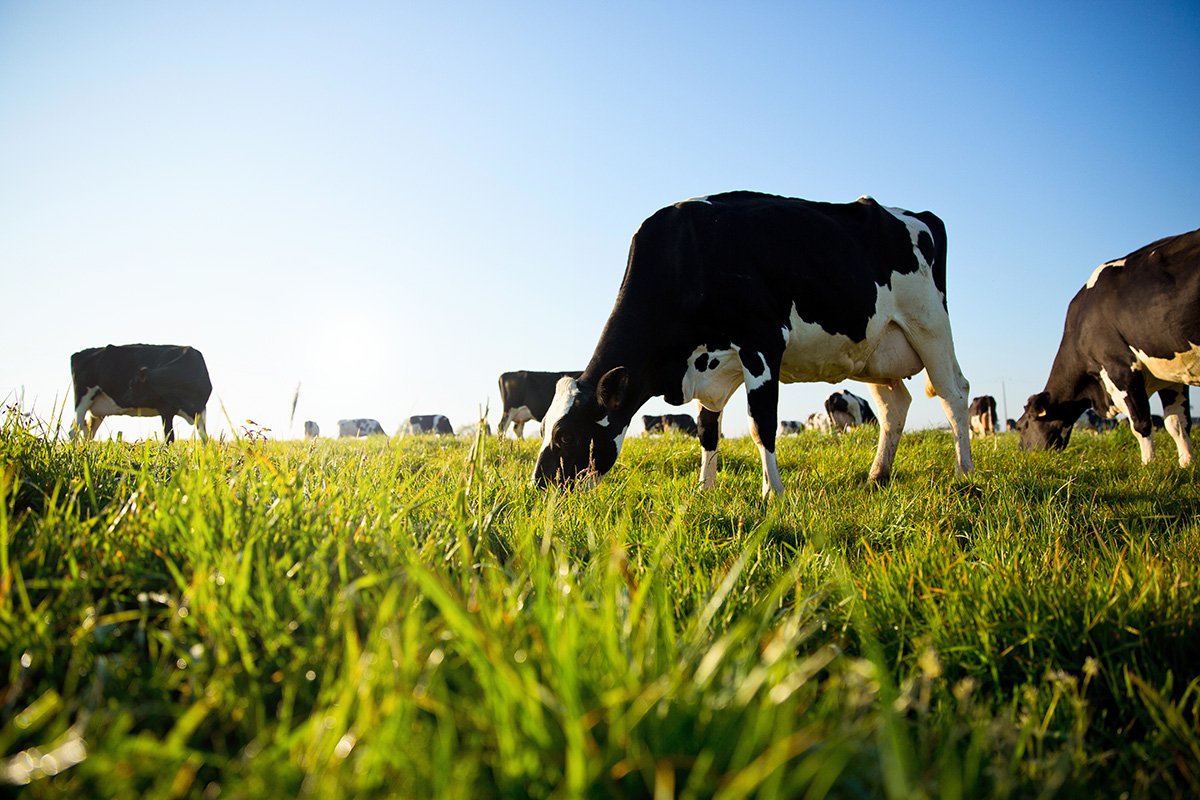
Global milk production is expected to increase in 2026, creating new challenges and opportunities for dairy producers as expanding supplies put pressure on prices and international demand. According to the October 2026 Ornua Global Dairy Market Report, worldwide milk production is forecast to grow by 2.2% in 2026 before slowing to 1% growth in 2027.
Despite drought-related challenges in parts of Europe, production remains resilient across several major dairy-producing regions. Higher output in the United States, New Zealand and South America is contributing to an expanding global milk supply, while inflation, consumer price sensitivity and cooling export demand are limiting the potential for significant price increases.
For Iowa dairy producers, these developments make cost management, milk component performance and regional processing opportunities increasingly important.
Global Milk Production Continues to Expand
Milk production trends remain strong across several major markets. In the United States, milk output increased by 1.7% in July and August, supported by higher milk solids. Annual US milk supply is projected to grow by 2.2%, with beef-on-dairy crossbreeding economics and expanding processing capacity contributing to the outlook.
New Zealand is also reporting high production levels. Milk output is up 2.4% by volume and 3.4% in milk solids, supported by favourable pasture conditions. In South America, Uruguay has recorded a particularly sharp increase, with production rising 12% year to date.
European production has demonstrated resilience despite localised weather challenges. The European Union’s annual production growth forecast has been revised upward to 1.9%, following stronger-than-expected autumn production in France and Germany. This increase comes despite summer drought losses in Ireland.
Together, these developments point to a market with ample milk availability, increasing competition among suppliers and limited room for sustained price gains without stronger demand.
Dairy Prices Face Demand-Related Headwinds
Although skim milk powder and cheese prices rose during September, the October report suggests that major price surges in the fourth quarter are unlikely.
Inflation and continued consumer sensitivity to food prices are affecting demand, while cooling export activity adds further uncertainty. When production expands faster than demand, dairy processors and producers can face pressure to maintain returns.
The report’s outlook therefore reinforces the importance of monitoring global supply trends alongside domestic market conditions. Weather disruptions could still change the outlook, but higher output across major dairy regions remains a central factor influencing price expectations.
Regional Processing Growth Offers Opportunities
For Iowa, expanding regional dairy processing capacity could provide an important commercial advantage. The source reports approximately $13 billion in national dairy-processing investment and notes that Iowa has entered the top 10 dairy-producing states, with a herd of roughly 245,000 cows.
New and expanded processing facilities, particularly those focused on cheese, may create additional outlets for locally produced milk. These investments could help Iowa producers access domestic demand even as international export growth slows.
However, the benefits will depend on individual farm locations, processor requirements, milk supply agreements and the prices offered for delivered milk. Regional processing growth can create opportunities, but it does not eliminate exposure to broader dairy-market conditions.
Milk Components Become More Important
As global supplies expand and price competition intensifies, milk fat and protein content can play an increasingly important role in farm revenue.
Producers with high-component herds may be positioned to benefit from premiums offered by domestic processors. Focusing on milk solids rather than volume alone can help farms align production with processor needs and available pricing structures.
The commercial value of components will depend on individual milk contracts and processor specifications. Nevertheless, component performance remains an important factor for producers seeking to strengthen returns in a market where overall supply growth may limit price increases.
Operating Costs and Replacement Heifer Supplies
Dairy farm profitability also depends on managing operating costs. Softer feed grain prices may provide some relief for ration expenses, but fuel, machinery and milk-hauling costs remain elevated.
The source places projected milk prices at approximately $19.85 to $20 per hundredweight. At these levels, careful monitoring of production costs and operating margins remains important, particularly if global supply growth constrains further price gains.
Replacement heifer availability presents another challenge. Strong beef prices continue to encourage beef-on-dairy crossbreeding, creating short-term revenue opportunities. However, national replacement heifer inventories remain tight, making breeding, herd retention and culling decisions important for maintaining future milk production capacity.
Producers must balance immediate financial returns against the longer-term needs of their herds.
Preparing for Market Volatility in 2027
Looking ahead, the Ornua report identifies potential weather disruptions, including possible El Niño impacts, as factors that could increase supply volatility in early 2027.
Iowa producers can consider risk-management programmes such as Dairy Revenue Protection and Dairy Margin Coverage while reviewing forage strategies, feed costs and herd replacement plans. These measures may help farms prepare for changing market conditions, although outcomes will depend on programme terms and individual farm circumstances.
Overall, expanding global milk production presents both competitive pressures and opportunities for Iowa’s dairy industry. Regional processing investment, component-focused production and disciplined cost management could help producers navigate a market where supply is growing faster than demand. As 2027 approaches, monitoring weather, milk prices and input costs will remain essential to protecting dairy farm profitability.