The global goat milk products market is expected to expand steadily through 2035, supported by growing consumer interest in digestible dairy alternatives, premium nutrition products and specialised dairy applications. According to the latest market analysis by IndexBox, the sector is projected to record a compound annual growth rate (CAGR) of 4.8% between 2026 and 2035, taking its market index to approximately 160 by 2035, with 2025 set as the base year of 100.
The market is increasingly divided into two segments: high-volume products competing on price and premium offerings positioned around nutrition, provenance, sustainability and specialised consumer needs. This shift is creating opportunities for goat milk processors, dairy brands, ingredient manufacturers and producers capable of maintaining consistent raw milk supplies.
Premiumisation Reshapes Goat Dairy Demand
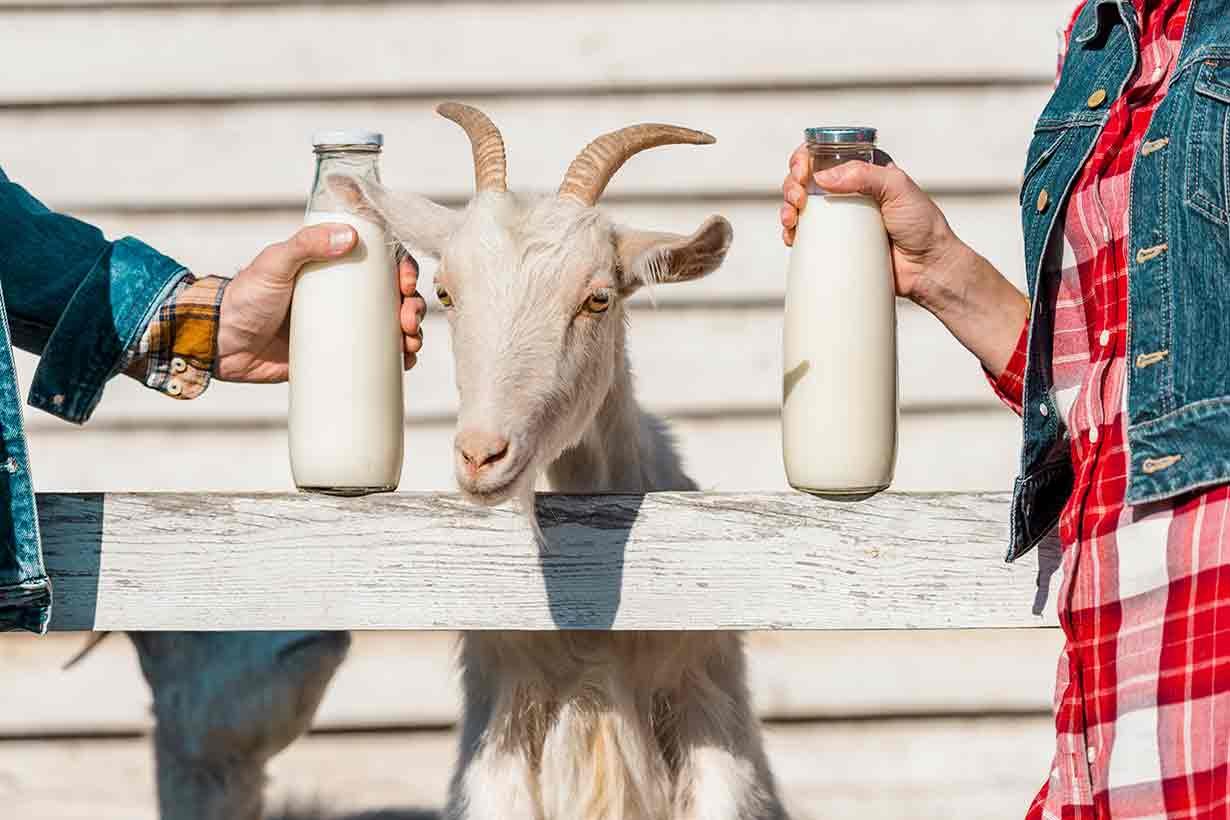
Consumer interest in goat milk is being supported by demand for alternatives to conventional cow milk products. Some consumers associate goat milk with easier digestibility and particular nutritional characteristics, although individual tolerance and health benefits should not be assumed without appropriate scientific evidence.
Fluid goat milk and yoghurt remain the largest product category, accounting for an estimated 35% of end-use demand. Everyday consumption, breakfast and snacking occasions support this segment. Manufacturers are also exploring probiotic and prebiotic yoghurt formulations, new flavours and convenient single-serve packaging.
Goat cheese represents an estimated 25% of the market. Fresh chèvre, aged cheeses and flavoured varieties are gaining attention in specialty retail and foodservice. Farmstead production, product origin and distinctive flavour profiles provide opportunities for producers to differentiate their offerings.
Infant Nutrition and Functional Powders Offer Growth Opportunities
Powdered milk and infant formula account for an estimated 20% of demand. The segment is particularly relevant in Asia-Pacific and the Middle East, where goat milk-based infant formula is positioned as a premium alternative within the infant nutrition category.
The report also identifies potential opportunities in functional powders for adult nutrition, including sports and senior nutrition. However, regulatory approvals, product safety requirements and credible scientific validation remain important considerations for companies marketing specialised nutritional products.
Cosmetics and personal care account for an estimated 12% of demand, covering products such as soaps, lotions and creams. The remaining 8% includes goat milk butter, cream, desserts and other specialised dairy products.
| Product category | Estimated market share |
|---|---|
| Fluid milk and yoghurt | 35% |
| Cheese | 25% |
| Powdered milk and infant formula | 20% |
| Cosmetics and personal care | 12% |
| Other products | 8% |
Asia-Pacific and Middle East Emerge as Growth Markets
Asia-Pacific accounts for an estimated 30% of global demand and is identified as the fastest-growing regional market. Urbanisation, rising disposable incomes and demand for imported infant nutrition products are supporting expansion, while domestic production is also developing.
North America and Europe each represent an estimated 25% of demand. North America is characterised by premium products, specialty retail and direct-to-consumer distribution. Europe remains an important production and export centre, particularly for artisanal goat cheese and premium dairy products.
Latin America accounts for approximately 10%, while the Middle East and Africa together represent another 10%. Both offer opportunities for suppliers, although import dependence, economic volatility and regulatory requirements can affect market development.
Supply Constraints and Competition Remain Key Challenges
Despite the positive outlook, the sector faces structural challenges. Limited raw goat milk availability and relatively high production costs can restrict the ability of premium brands to scale. Maintaining reliable procurement, processing capacity and product quality will therefore be important for manufacturers.
Competition from plant-based beverages and conventional cow milk products may also place pressure on prices, particularly in mass-market retail. Private-label expansion could further limit margins, making brand differentiation and efficient distribution increasingly important.
The report identifies supply-chain traceability, ethical sourcing and sustainability positioning as important competitive considerations. Specialty stores and direct-to-consumer channels may help premium brands protect margins, while e-commerce can improve access to emerging consumer markets.
Market Outlook Through 2035
IndexBox’s baseline forecast anticipates a 4.8% CAGR from 2026 to 2035, with the market index reaching approximately 160 by 2035 (2025=100). Potential growth areas include functional goat milk powders, aged cheeses, value-added yoghurt and expanded online distribution.
For the dairy industry, the outlook highlights the importance of developing dependable goat milk procurement networks, investing in specialised processing and responding to changing consumer preferences. Companies that combine product innovation with supply-chain reliability may be better positioned to benefit from the market’s projected expansion.