A slowdown in the U.S. pizza restaurant market is raising concerns about future cheese demand at a time when domestic milk production continues to expand. With major pizza chains planning restaurant closures and consumers becoming more cautious about food spending, the dairy industry faces questions about how effectively domestic markets will absorb growing milk supplies in 2027.
Pizza is an important outlet for cheese consumption in the United States, particularly mozzarella used in restaurant toppings. Any prolonged slowdown in restaurant traffic or expansion could affect the pace of cheese demand growth, adding pressure to a dairy market already dealing with rising milk production.
Major Pizza Chains Face Restaurant Closures
The U.S. pizza sector is experiencing changes in its operating environment as established chains reassess their restaurant networks.
Papa Johns plans to close 300 restaurants across North America by the end of 2027, following declining comparable sales. The company had already closed 239 locations globally through the third quarter of 2026, including 146 in North America.
The challenges also extend to franchise operators. Papa ZHS LLC, which operated 12 Papa Johns restaurants, filed for Chapter 11 bankruptcy in November 2026. Pizza Hut has also targeted underperforming locations for closure as part of broader corporate restructuring.
These developments reflect the pressure on traditional restaurant operators to manage costs, improve profitability and adapt to changing consumer demand. Restaurant closures do not necessarily translate directly into an equivalent decline in cheese consumption, but they could limit the additional demand generated by expanding foodservice networks.
Inflation and Changing Consumer Preferences
Higher food prices are influencing how American households spend on meals. Menu price inflation in foodservice has outpaced grocery inflation, encouraging some consumers to prepare more meals at home or choose lower-cost alternatives.
Frozen pizza and convenience-store options are benefiting from the search for value, while full-service restaurant meals face greater competition for household spending.
Other factors are also influencing the sector. Competition between delivery platforms, market saturation across urban and rural locations and changing dietary habits are affecting restaurant traffic. Appetite changes associated with GLP-1 weight-loss medications have also been identified as a potential influence on food consumption patterns.
Together, these trends are creating a more challenging environment for restaurant chains that previously relied on expanding locations and consistent consumer spending to drive growth.
Rising Milk Production Adds to Market Pressure
The slowdown in restaurant demand is particularly relevant to the dairy sector because U.S. milk production is increasing.
According to USDA figures cited in November 2026 market coverage, U.S. milk production reached 19.9 billion pounds in October, representing a 2.4% increase compared with the same month in 2025.
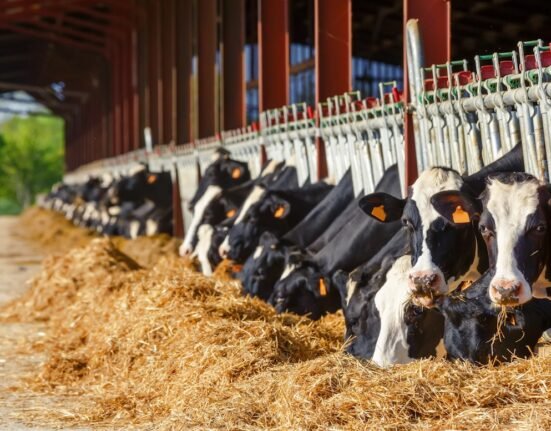
The national milking herd also climbed to 9.75 million cows, its highest level in 35 years. With more cows contributing to production and per-cow productivity continuing to improve, milk supplies are positioned to remain elevated into 2027.
This creates a balancing challenge for dairy processors and producers. When milk production increases faster than domestic demand, additional volumes must be absorbed through product manufacturing, exports or other market channels.
Cheese Demand and the Importance of Exports
Pizza restaurants are an important market for mozzarella and other cheese varieties. A slowdown in traditional pizza chains could therefore reduce one source of incremental demand for cheese.
However, restaurant cheese consumption extends beyond pizza. Burgers, sandwiches, melts, prepared foods and other foodservice products also contribute to demand. Consequently, the performance of the wider foodservice sector will remain important in determining overall cheese consumption.
International trade is another major factor in balancing the U.S. dairy market. Strong exports of cheese, butterfat and dairy ingredients have helped absorb domestic milk solids and support market demand.
Maintaining export competitiveness will be particularly important if domestic foodservice growth moderates while milk supplies continue to rise. Overseas buyers can provide additional outlets for U.S. dairy products, although export demand will depend on international competition, pricing and market conditions.
Dairy Industry Outlook for 2027
As the industry moves towards 2027, dairy producers and processors will need to manage a market characterised by growing milk availability and changing demand patterns.
For processors, product differentiation, efficient manufacturing and access to diverse sales channels will remain important. Producers, meanwhile, may face greater pressure if rising milk volumes are not matched by sufficient demand growth.
The changing U.S. pizza market does not determine the direction of the entire dairy sector, but it highlights the importance of foodservice demand in supporting cheese consumption. With milk production reaching multi-decade highs, the ability of domestic markets and international exports to absorb additional dairy products will be central to maintaining market balance.