Jharkhand has set an ambitious target of procuring five lakh kilograms of milk daily by 2028-29, aiming to strengthen its dairy cooperative network, expand processing infrastructure and improve market access for local dairy farmers. Agriculture Minister Shilpi Neha Tirkey announced the target on the eve of National Milk Day, highlighting the state’s efforts to increase milk procurement and develop its dairy sector.
The initiative will be supported by new dairy processing plants, milk powder manufacturing facilities, animal feed production and expanded dairy product manufacturing capacity. These investments are expected to improve milk handling capabilities, strengthen the state’s dairy supply chain and create better opportunities for farmers supplying milk to cooperative institutions.
Jharkhand’s dairy development strategy also focuses on improving animal nutrition, expanding village-level milk collection networks and increasing public awareness about milk production and processing.
New Dairy Infrastructure to Strengthen Processing Capacity
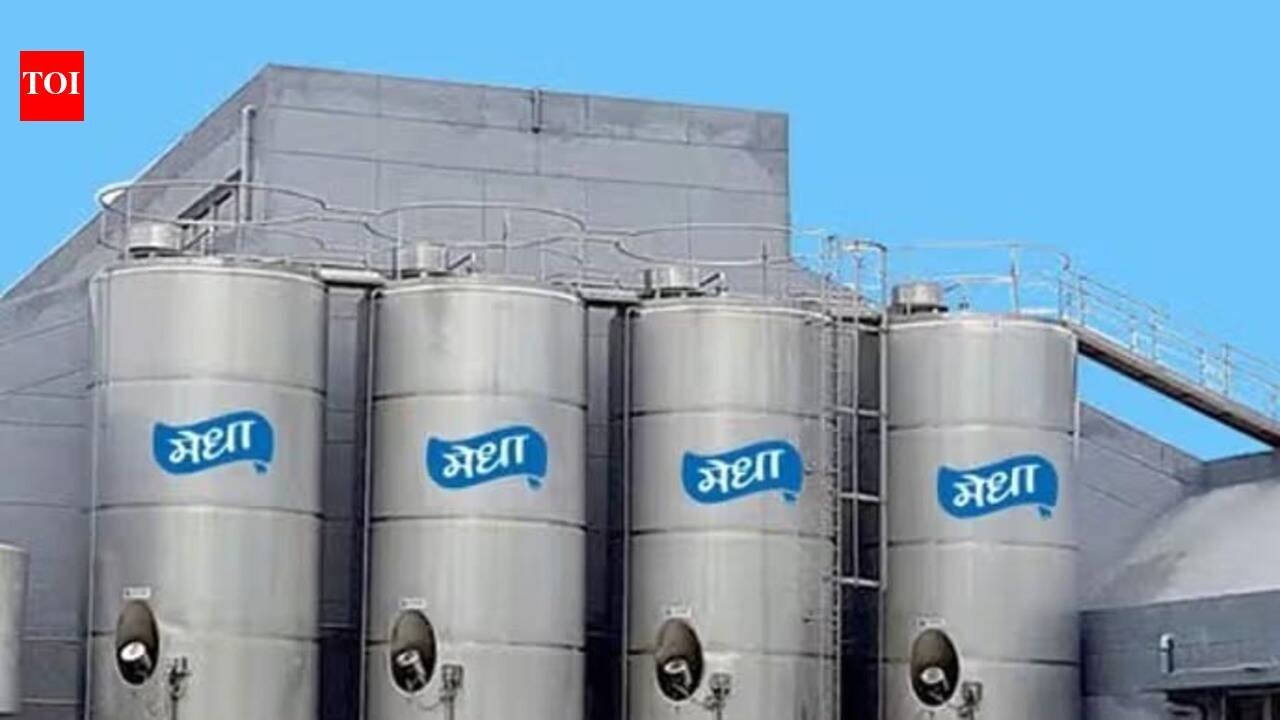
The Jharkhand State Cooperative Milk Producers’ Federation (JMF), which operates under the Medha Dairy brand, currently manages six milk processing plants with a combined daily processing capacity of 2.80 lakh litres.
To support the state’s procurement target, construction is underway on two new dairy processing plants in Giridih and Seraikela-Kharsawan. Each facility is designed to handle 50,000 litres of milk daily, adding a combined processing capacity of one lakh litres per day.
In addition to these facilities, the state is developing a milk powder manufacturing plant with a capacity of 20 metric tonnes and a separate dairy products manufacturing unit in Ranchi.
These projects are expected to strengthen the state’s ability to process and store larger quantities of milk. Milk powder production will also provide additional flexibility in managing seasonal fluctuations in milk availability and support the development of value-added dairy products.
According to the agriculture minister, the infrastructure expansion will help secure better markets for local dairy farmers while supporting the long-term growth of the state’s cooperative dairy network.
Milk Procurement Shows Strong Growth
Jharkhand has recorded an increase in milk procurement through its cooperative network. JMF’s average daily milk procurement increased from 2.39 lakh kilograms in 2025-26 to 2.88 lakh kilograms by October 2026.
Jharkhand’s dairy procurement and infrastructure indicators
| Indicator | Current position |
|---|---|
| Daily procurement target by 2028-29 | 5 lakh kg |
| Daily procurement in 2025-26 | 2.39 lakh kg |
| Daily procurement till October 2026 | 2.88 lakh kg |
| Existing processing capacity | 2.80 lakh litres/day |
| New processing capacity under construction | 1 lakh litres/day |
| Milk powder plant capacity | 20 MT |
The federation’s cooperative network currently covers 3,490 villages and includes 1,085 milk pooling points and 230 district-level cooperative societies. More than 60,000 dairy farmers are connected to this network.
This extensive collection system plays an important role in connecting rural milk producers with organised processing and marketing facilities. Expanding procurement will require continued investment in collection infrastructure, transportation, chilling facilities and quality testing.
Animal Feed Production to Improve Milk Productivity
Alongside processing infrastructure, Jharkhand is investing in animal nutrition to improve milk yields and strengthen dairy farm productivity.
JMF has established an animal feed manufacturing plant at Medha Dairy in Hotwar, Ranchi, with a production capacity of 50 metric tonnes per day. Approval has also been granted for a second animal feed plant of the same capacity in Godda, with construction expected to begin shortly.
Balanced animal nutrition is essential for improving milk production, maintaining cattle health and supporting consistent dairy farm performance. Access to quality feed can also help farmers manage production costs and improve the productivity of their livestock.
The expansion of feed manufacturing facilities is expected to strengthen the availability of balanced cattle feed across the state’s dairy farming communities. This is particularly important for small and marginal dairy farmers, who depend on affordable and accessible nutritional inputs to maintain their herds.
National Milk Day Campaign to Promote Dairy Awareness
To mark National Milk Day 2026, the Jharkhand chapter of the Indian Dairy Association (IDA), in collaboration with Medha Dairy, will organise the National Milk Day Awareness Fortnight from November 23 to December 8.
As part of the initiative, students and members of the public will have opportunities to visit four Medha Dairy facilities between November 26 and December 7.
The participating facilities are located at:
-
Hotwar, Ranchi: Medha Dairy’s processing facility.
-
Gopibandh, Deoghar: Dairy processing and operations.
-
Mahadevganj, Sahibganj: Dairy facility.
-
Chianki, Palamu: Dairy facility.
The visits will provide participants with practical insights into milk collection, quality testing, processing and packaging. The programme aims to improve public understanding of the dairy value chain and highlight the importance of organised milk production and processing.
Such awareness initiatives can also encourage students to explore opportunities in dairy science, food technology, animal husbandry and dairy entrepreneurship.
Jharkhand’s Milk Production Continues to Increase
Jharkhand’s overall milk production has also recorded growth in recent years. The state currently produces approximately 93.15 lakh litres of milk daily.
Annual milk production increased from 31.99 lakh metric tonnes in 2024-25 to 34 lakh metric tonnes in 2025-26, reflecting the growing contribution of dairy farming to the state’s agricultural economy.
The combination of higher milk production, expanded processing infrastructure and stronger cooperative networks is expected to support further development of the sector.
Strengthening the Future of Jharkhand’s Dairy Industry
Jharkhand’s target of procuring five lakh kilograms of milk daily by 2028-29 represents an important step towards building a stronger and more organised dairy industry.
However, achieving this target will require coordinated efforts across milk collection, processing, animal nutrition, transportation and farmer support. Expanding cooperative participation and ensuring reliable market access will also be essential.
With new processing plants, milk powder manufacturing, animal feed facilities and public awareness programmes underway, the state is seeking to create a more integrated dairy ecosystem.
These developments could improve income opportunities for local farmers, strengthen rural livelihoods and increase the availability of organised dairy products across Jharkhand.