Ananda Dairy has built an integrated milk procurement and distribution system to differentiate itself in India’s competitive dairy market. By directly linking rural producers with urban consumers, the company has created a supply chain that now spans 16 states and more than 100 cities.
The model is designed to support daily demand for fresh dairy products. It begins at the village level and extends through testing, chilling, processing and retail distribution.
Origins and Evolution of the Brand
Ananda Dairy was established on 15 November 1989 in Siyana, Bulandshahar district, during Phase III of Operation Flood. Founded by Dr Radhey Shyam Dixit, the company initially operated on a small scale and relied on third-party transport services.
Over time, the business expanded and refined its brand identity. It transitioned from Gopaljee Dairy to Gopaljee Ananda in 2012. Later, it adopted the Ananda name to simplify brand recall while retaining its dairy heritage. These changes coincided with growing market presence and supply chain investments.
Village-Level Procurement Anchors the Supply Chain
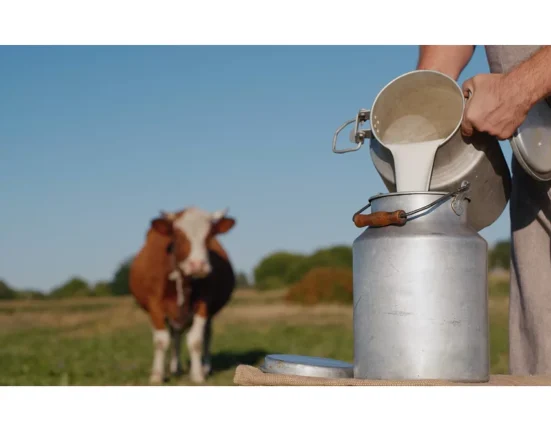
Milk procurement is organised directly at the village level. According to the company, more than 300,000 farmers supply milk daily through over 6,000 collection centres. From these centres, milk is transported to 35 chilling facilities. Here, trained staff test the milk and rapidly cool it to 0°C. This process helps preserve quality and reduce spoilage before processing.
Processing Capacity Supports Operational Flexibility
Ananda operates five processing plants located in Pilkhuwa, Siyana, Gajraula, Varanasi and Raebareli. Together, these facilities have a combined milk-handling capacity of 1.8 million litres per day.
Currently, daily procurement exceeds one million litres. As a result, the company maintains flexibility in balancing supply across plants and markets. Standardised processing practices are applied across locations to ensure consistency in product quality.
Wide Distribution Network Drives Market Reach
Distribution is managed through a network of more than 5,000 distributors and company-operated outlets. Ananda products are available in around 150,000 kirana stores. In addition, the brand has established a presence in more than 100 cities. This wide footprint supports the reliable availability of daily-consumption dairy products in urban markets.
Diversified Product Portfolio Reduces Risk
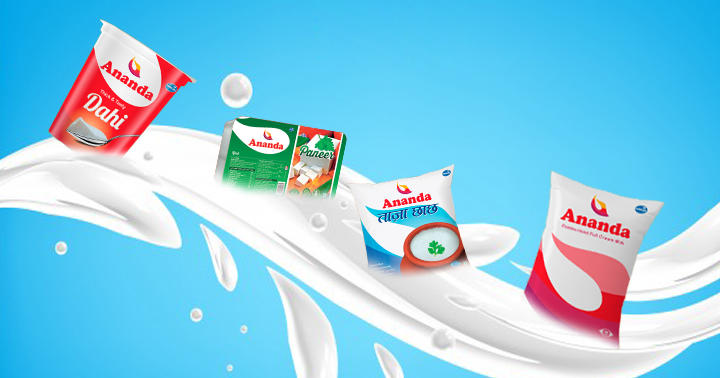
Ananda’s product range extends beyond liquid milk. It includes curd, paneer, ghee, UHT milk, flavoured milk, milk-based beverages, traditional sweets and A2 milk. Moreover, the company has diversified into complementary food categories. These include frozen vegetables, idli-dosa batter, tofu and edible oils. This diversification helps reduce dependence on a single product segment and improves revenue stability.
Farmer Support Strengthens Supply Sustainability
Beyond commercial operations, Ananda runs farmer-support programmes in Uttar Pradesh through its social initiatives. These programmes focus on training and capacity building.
More than 5,000 farmers across over 50 villages are covered under these efforts. In addition, veterinary camps and livestock health programmes reportedly reach over 10,000 animals each year. The focus remains on preventive care, record keeping and improved access to veterinary services.
Aligning Rural Supply With Urban Demand
Company representatives state that the operational focus remains on consistent farm-level procurement, standardised processing and dependable urban distribution. By aligning rural milk production with steady consumer demand, Ananda has built a supply chain that supports both scale and stability.
Overall, the company’s end-to-end supply chain strategy appears to be a key factor in its expansion across states, while maintaining daily relevance in India’s fast-moving dairy market.