Artificial Intelligence (AI) is increasingly emerging as a transformative technology for India’s dairy industry, offering opportunities to improve milk quality, optimise processing operations, strengthen supply chain management and enhance overall business profitability. As dairy businesses face rising input costs, operational inefficiencies, fluctuating milk procurement and growing quality expectations, the adoption of intelligent, data-driven solutions could play a significant role in shaping the sector’s next phase of growth.
Global Applied AI and Data Logistics company Findability Sciences is working towards addressing these challenges through its specialised dairy AI solution, LactaAI. The solution focuses on helping dairy businesses convert fragmented operational data into actionable intelligence, enabling organisations to identify inefficiencies, anticipate potential problems and make more informed decisions.
Traditionally, many dairy operations have relied on historical reports, manual monitoring and conventional data analysis to manage production, procurement and processing activities. While these approaches provide essential operational information, they may not always offer the predictive capabilities required to identify emerging problems before they affect productivity or profitability.
AI could help bridge this gap by analysing large volumes of operational data, identifying patterns and generating insights that support faster decision-making across the dairy value chain.
Moving Beyond Automation Towards Intelligent Dairy Operations
The potential of AI in the dairy industry extends beyond automating routine tasks. Its broader value lies in connecting information from different operational stages and using predictive intelligence to improve business outcomes.
For dairy processors, maintaining consistent milk quality is a critical operational priority. Variations in raw milk composition, temperature, storage conditions and processing parameters can influence product quality and production efficiency. AI-driven analytical systems could help identify unusual patterns in operational data, allowing businesses to investigate potential quality concerns earlier and take preventive action.
Similarly, predictive intelligence could support production planning by analysing historical demand, procurement trends, processing performance and other relevant operational indicators. Better forecasting can help dairy businesses align production volumes with market requirements, potentially reducing overproduction, inventory losses and unnecessary resource consumption.
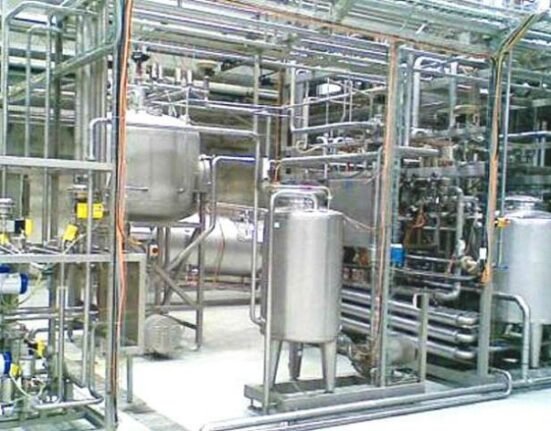
Energy management is another important area where AI could offer value. Dairy processing facilities require substantial energy for refrigeration, pasteurisation, chilling, drying and other activities. By analysing equipment performance and energy consumption patterns, intelligent systems could help identify inefficiencies and support more effective resource utilisation.
Connecting Farms, Procurement and Processing Through Data
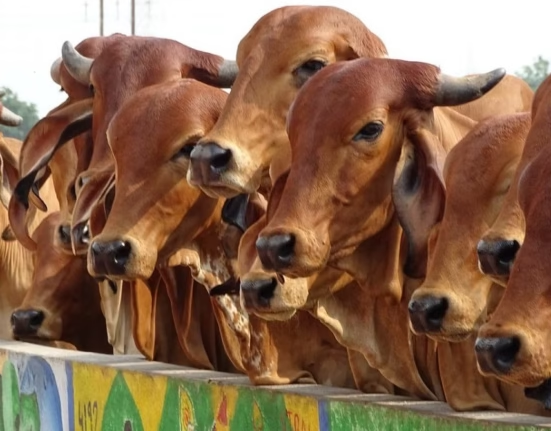
India’s dairy ecosystem involves millions of milk producers, cooperative networks, collection centres, processors, distributors and retailers. Managing information across these interconnected operations remains an important challenge.
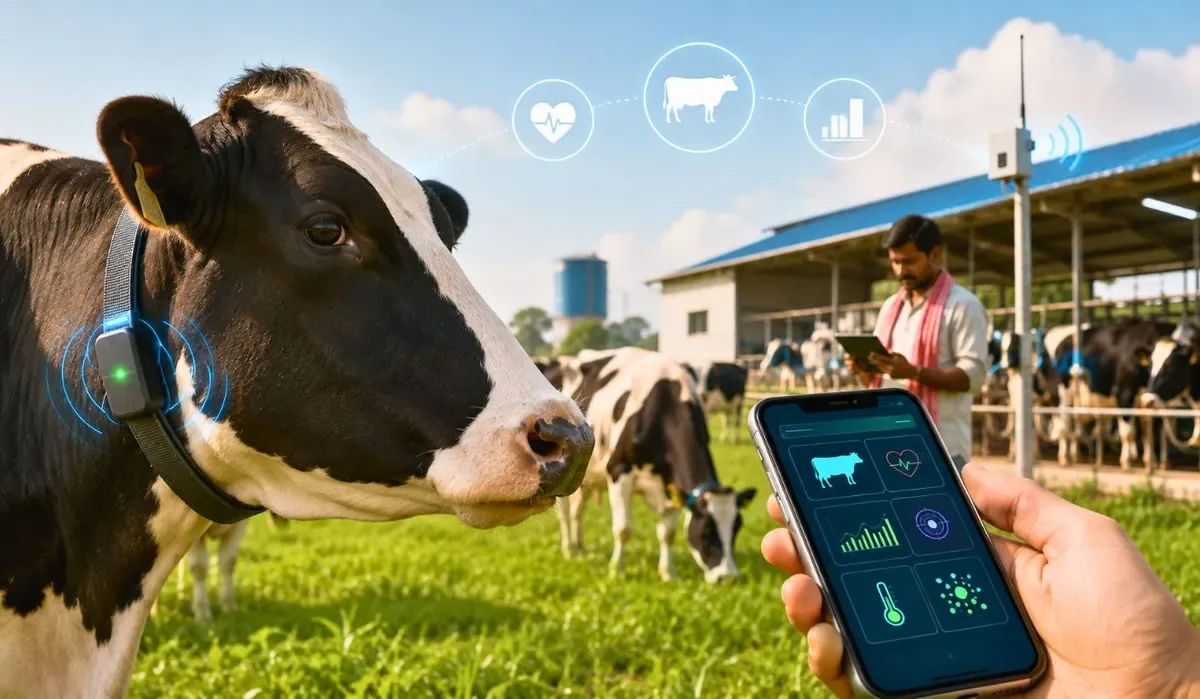
Data generated at the farm level can provide valuable insights into milk production, quality parameters, collection patterns and procurement performance. However, the benefits of this information depend on how effectively it is integrated with downstream processing and supply chain decisions.
AI-powered platforms could help establish stronger connections between these operational stages. By bringing together relevant data, dairy businesses may gain better visibility into procurement variations, processing requirements, inventory levels and distribution planning.
For example, identifying changes in milk supply patterns could help processors adjust production schedules and resource allocation. Similarly, analysing procurement and quality trends could support more informed supplier management and operational planning.
LactaAI and the Future of Predictive Dairy Management
Through LactaAI, Findability Sciences is focusing on the application of specialised AI capabilities to dairy industry challenges. The broader objective is to help dairy businesses move away from reactive problem-solving towards predictive and preventive operations.
Instead of responding only after an operational issue occurs, predictive systems can potentially identify warning signs through historical and real-time data analysis. This could help businesses investigate equipment performance variations, anticipate production inefficiencies and identify opportunities to minimise operational losses.
However, successful AI adoption will depend on data quality, integration with existing infrastructure, employee capabilities and the ability to translate analytical insights into practical operational decisions. Dairy businesses will also need to evaluate the measurable financial and operational benefits of implementing such technologies.
For India’s dairy sector, where profitability depends on efficiency across multiple stages of the value chain, the ability to make informed decisions using connected operational data could become increasingly important.
As the industry continues to modernise, solutions such as LactaAI highlight the growing potential of applied AI in transforming dairy management. The next phase of digital transformation may not simply be about collecting more data or automating existing processes, but about making dairy operations more intelligent, predictive and responsive.
The opportunity lies in ensuring that technology delivers tangible improvements in milk quality, resource utilisation, operational efficiency and profitability, helping India’s dairy businesses build more resilient and competitive operations.