China’s expanding dairy production and shifting consumer demand are pushing the country’s dairy industry to seek new growth opportunities in international markets. As domestic consumption struggles to absorb rising output, Chinese dairy companies are increasing exports, developing higher-value products and targeting customers across Southeast Asia, Africa and the Middle East. The shift is intensifying competition for established global dairy suppliers and raising questions about production costs, government support and international trade.
Domestic Oversupply Drives China’s Dairy Export Push
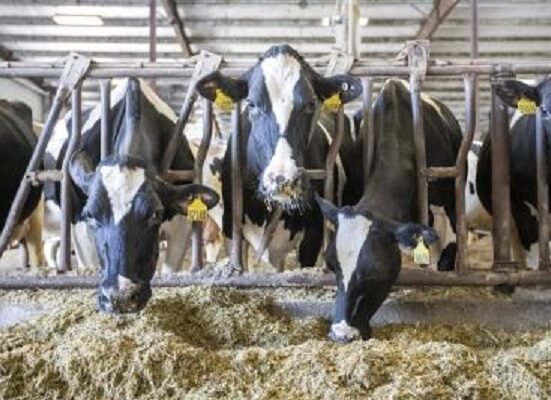
China’s dairy industry has expanded rapidly through investment in large-scale farms, modern processing facilities and improved production technologies. Government policies supporting agricultural development and food security have also encouraged domestic production. However, slower economic growth, changing consumer preferences and a shrinking population are creating challenges for dairy producers attempting to balance supply with domestic demand.
China’s dairy sector exceeded official production targets for 2025 two years ahead of schedule, according to the Reuters report published by Mint. This expansion has contributed to oversupply and increased pressure on dairy prices, encouraging manufacturers to explore overseas markets to maintain sales and profitability.
The trend reflects a broader change in China’s agricultural economy. While the country continues to depend on international suppliers for certain agricultural commodities, its domestic food producers are increasingly competing with established exporters in global markets.
Government support remains an important factor in this expansion. According to OECD data cited by Reuters, subsidies accounted for approximately 13% of Chinese agricultural producers’ gross farm receipts between 2022 and 2024, nearly three times the level recorded in the early 2000s. Such support has helped agricultural businesses invest in production capacity, although the extent to which subsidies influence export competitiveness remains a concern for international competitors.
Chinese Dairy Companies Target International Markets
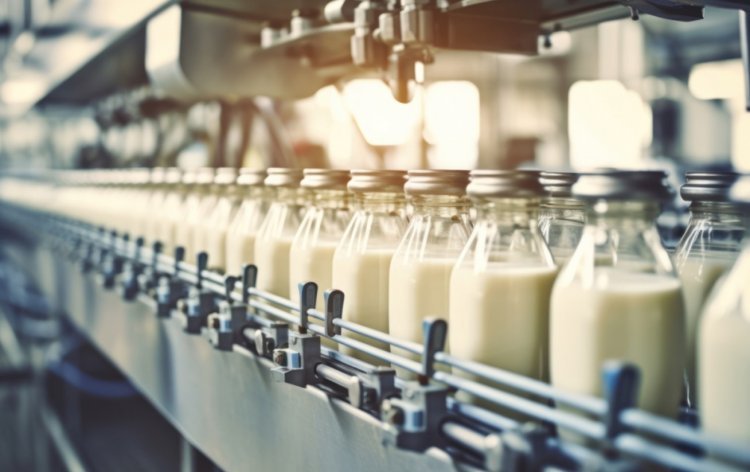
Chinese dairy manufacturers are increasingly looking beyond their domestic market to diversify revenue and strengthen their international presence. Milk powder, infant formula and other processed dairy products offer opportunities to reach consumers in countries where affordability and dependable supply influence purchasing decisions.
China’s dairy exports are projected to reach $600 million in 2026, approximately double their value three years earlier, according to figures cited in the Reuters report. This growth highlights the increasing importance of international sales as a potential outlet for domestic production.
Southeast Asia has become a particularly important destination for Chinese dairy brands. Yili, Asia’s largest dairy company, plans to begin selling infant formula in the region as soon as 2027, according to Reuters. Rival manufacturer Feihe launched its AceKid infant formula in Indonesia in April 2026, following an earlier introduction in the Philippines.
These developments demonstrate how Chinese manufacturers are moving beyond bulk dairy commodities towards branded, value-added products. Infant formula and specialised nutrition products can help companies differentiate themselves and build longer-term relationships with international consumers.
However, brand expansion also requires companies to establish consumer confidence. The 2008 melamine contamination scandal, which sickened thousands of babies, continues to shape perceptions of Chinese dairy products in some markets. Manufacturers seeking international growth must therefore demonstrate consistent quality, food safety and regulatory compliance.
Competition Intensifies for Established Dairy Exporters
China’s export ambitions are creating additional competitive pressure for established dairy suppliers, including New Zealand, European countries, India and Iran. Chinese milk powder is increasingly competing with established products in markets such as Nigeria and Bangladesh, while Chinese dairy companies are seeking opportunities across the Middle East and Southeast Asia.
For importing countries, additional suppliers may improve product availability and provide more competitive prices. For established exporters, however, increasing Chinese market share could put pressure on margins and require greater investment in product innovation, branding and distribution.
The expansion also raises questions about whether Chinese producers’ cost advantages result primarily from operational efficiency, economies of scale and technology or are reinforced by government support.
Trade restrictions and regulatory scrutiny could influence how quickly Chinese dairy products gain access to additional markets. Compliance with food safety standards, import requirements and product certification will remain essential for sustained growth.
Outlook for the Global Dairy Industry
China’s growing dairy exports signal a changing competitive landscape for the international dairy trade. Manufacturers are increasingly using overseas markets to manage domestic oversupply, expand branded product portfolios and diversify revenue.
For global dairy businesses, the development presents both risks and opportunities. Established exporters may face stronger price competition, while importers and distributors could benefit from additional sourcing options.
Ultimately, China’s ability to turn expanding production into sustainable export growth will depend on international consumer confidence, product quality, regulatory access and its ability to compete beyond price alone. As Chinese dairy companies expand internationally, their progress will remain an important development for the global dairy supply chain.