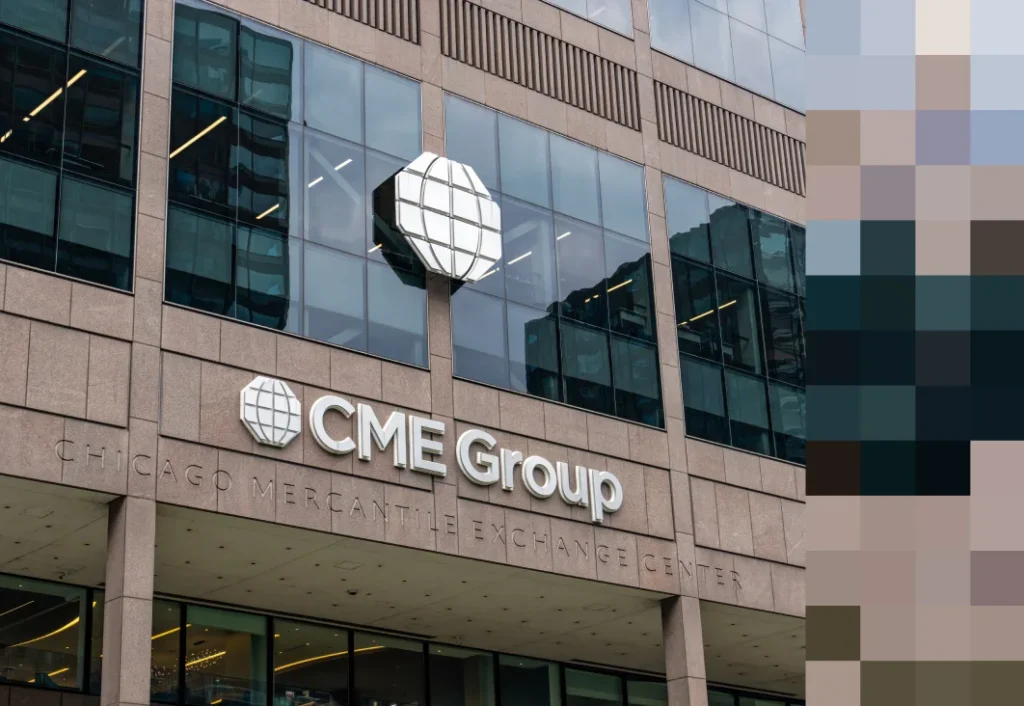
CME Group has introduced a new suite of European dairy futures contracts, expanding its agricultural derivatives business and providing European dairy industry participants with additional tools to manage milk and dairy commodity price volatility. The launch represents a significant step in the company’s regional expansion strategy and marks its first major move into European agricultural derivatives.
The new contracts build on CME Group’s existing dairy derivatives portfolio and its partnership with the European Energy Exchange (EEX). They are designed to provide producers, processors, traders and other market participants with access to a regulated futures trading platform where dairy price risks can be managed through standardised financial instruments.
The development comes at a time when the European dairy sector continues to navigate changing milk supply, commodity price fluctuations, production costs and international market uncertainty. Greater access to risk management instruments could help businesses improve financial planning and reduce exposure to sudden movements in dairy markets.
European Butter and Skimmed Milk Powder Futures Expand Hedging Options
The newly introduced European dairy futures include contracts linked to butter and skimmed milk powder (SMP), two important commodities in the European dairy processing and trading industry.
Butter and SMP markets are closely connected to milk pricing, processing economics and international dairy trade. Changes in their prices can influence processor revenues, milk purchasing strategies and the returns received by dairy producers.
By introducing exchange-traded contracts linked to these products, CME Group aims to provide businesses with a structured mechanism for managing price exposure. Dairy processors, for example, may use futures to manage the risk of changes in commodity selling prices, while traders can use them to manage market exposure and support commercial transactions.
The contracts also offer an opportunity for participants to incorporate dairy price hedging into broader commodity risk management strategies through a single trading platform.
Managing Price Volatility Across the Dairy Supply Chain
Price volatility remains a major concern for dairy businesses operating across Europe. Changes in milk production, feed costs, energy prices, global demand and export activity can influence dairy commodity markets and create uncertainty for both producers and processors.
For dairy farmers, unpredictable milk prices can complicate investment decisions, cash-flow planning and long-term business management. Processors face similar challenges when purchasing raw milk and selling finished dairy products in domestic and international markets.
Futures markets can help address these risks by allowing participants to establish financial positions linked to anticipated commodity prices. Although hedging does not eliminate market risk or guarantee profitability, it can provide greater visibility over future price exposure and help businesses manage fluctuations.
The availability of European-specific contracts is particularly relevant because dairy markets differ across regions in terms of pricing structures, supply conditions, product specifications and trading requirements. Contracts designed around regional market conditions may offer more relevant hedging opportunities than instruments based on unrelated commodity benchmarks.
CME Group Strengthens Its Position in Agricultural Derivatives
CME Group operates one of the world’s major derivatives marketplaces, offering futures and options across asset classes including agriculture, energy, interest rates and financial products.
Its expansion into European dairy derivatives builds on its established dairy trading activities and cooperation with the European Energy Exchange. The initiative also reflects the broader importance of agricultural derivatives in supporting price discovery and risk management across global food supply chains.
According to the reported launch details, the initial trading activity included 126 contracts. However, the long-term commercial significance of the new product suite will depend on whether participation expands among producers, processors, traders and other institutional market participants.
Trading volume and open interest will be important indicators of adoption. Consistent participation would suggest that the contracts are becoming useful instruments for managing European dairy price exposure rather than remaining specialised products with limited liquidity.
What the Launch Means for the European Dairy Industry
For European dairy cooperatives, processors and trading businesses, the introduction of additional futures contracts could strengthen financial risk management capabilities and support more informed commercial planning.
The initiative may also contribute to the development of more transparent regional dairy price benchmarks, depending on market participation and contract liquidity. Better access to hedging instruments could encourage businesses to integrate financial risk management more closely into procurement, processing and sales strategies.
Nevertheless, the success of the launch will depend on practical factors, including market liquidity, pricing relevance, accessibility and the willingness of dairy businesses to adopt exchange-traded hedging.
Over the next 12 to 18 months, average daily trading volume and open interest will be important measures of the contracts’ progress.
CME Group’s European dairy futures launch represents a notable development in the evolution of dairy market infrastructure. As price uncertainty continues to influence the global dairy sector, accessible and regionally relevant financial instruments could play an increasingly important role in helping producers, processors and traders manage commercial risks and build more resilient businesses.