Farmers Push for Higher Buffalo Milk Rates
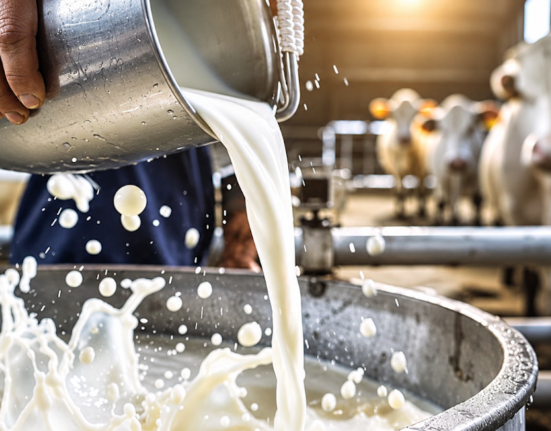
Buffalo milk prices in several districts of Haryana could soon increase to ₹100 per litre, as livestock farmers and dairy operators push for higher rates amid rising production and transportation costs.
According to reports, farmer meetings have been held across villages in Jind, Kurukshetra, Kaithal, Rohtak and Hisar to discuss the proposed price increase. Farmers argue that the existing rates of around ₹60–₹80 per litre are becoming increasingly difficult to sustain because of higher input costs.
The proposed revision would represent a significant increase for consumers, particularly in areas where buffalo milk is widely purchased directly from farmers and local dairy operators.
Rising Input Costs Drive Demand
Dairy farmers have attributed the proposed price hike primarily to increasing costs associated with cattle feed, fodder and transportation.
Feed and fodder represent major recurring expenses for livestock farmers. As these costs rise, farmers face greater pressure to maintain their margins while continuing to supply quality milk.
Transportation expenses have also increased the cost of moving milk from farms and collection points to consumers and dairy businesses. Farmers therefore believe that current milk prices no longer adequately reflect the overall cost of production and distribution.
The proposed ₹100-per-litre rate is being presented as an attempt to address these rising expenses and provide better returns to buffalo milk producers.
₹21,000 Fine Announced for Selling Below Rates
The Dairy Operators’ Association has also issued a strong warning regarding prices.
According to the association, anyone selling milk and milk products below the rates announced by the group could face a ₹21,000 fine. The proposed penalty is intended to discourage operators from selling below the fixed rates and potentially undermining the price structure supported by the dairy community.
The development could lead to greater uniformity in local milk prices if widely adopted, although the impact on consumers and individual dairy operators will depend on how extensively the proposed rates are implemented.
Potential Impact on Consumers
If buffalo milk prices rise from the prevailing ₹60–₹80 range to ₹100 per litre, consumers in affected Haryana districts could face higher household expenditure on fresh milk.
The increase could be particularly relevant for households that regularly purchase buffalo milk because of its relatively higher fat content and use in traditional dairy products.
Local dairy businesses may also need to adjust prices for products made using buffalo milk if their raw-material costs increase. This could potentially affect the prices of other milk-based products as well.
Current and Proposed Buffalo Milk Prices
| Indicator | Current Situation | Proposed Situation |
|---|---|---|
| Buffalo milk price | ₹60–₹80/litre | Up to ₹100/litre |
| Main cost pressures | Feed, fodder, transport | Higher rates sought |
| Proposed penalty | — | ₹21,000 |
| Key districts involved | Jind, Kurukshetra, Kaithal, Rohtak, Hisar | Price discussions underway |
Broader Implications for Haryana’s Dairy Sector
The proposed price increase highlights the continuing challenge faced by dairy farmers as operating costs rise. Milk producers need prices that provide sufficient returns to cover feed, fodder, animal care, transportation and other expenses.
At the same time, sharp increases in milk prices can place additional pressure on consumers and downstream dairy businesses. Maintaining a balance between producer profitability and consumer affordability remains an important issue for the dairy sector.
The meetings being conducted across Haryana indicate that farmers are seeking a coordinated response to changing production economics. If the proposed ₹100-per-litre price becomes widely adopted, it could mark a substantial shift in the pricing of buffalo milk across the affected districts.
For Haryana’s dairy farmers, the immediate priority remains improving returns amid higher input costs. For consumers, the proposed increase could translate into higher milk bills in the coming period.