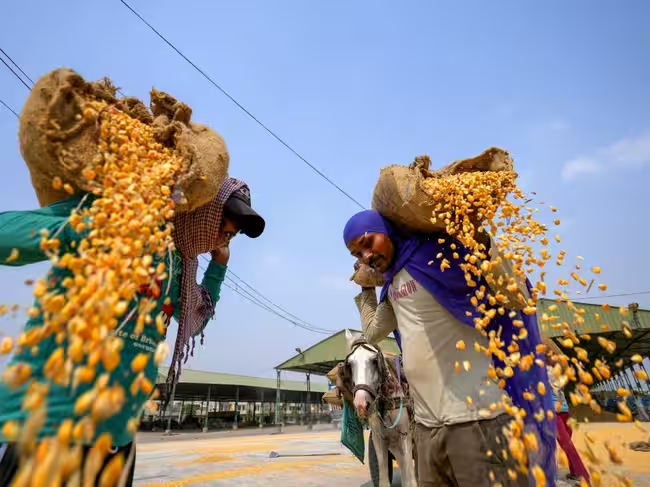
India’s drought-hit maize supply is creating growing competition among poultry producers, starch manufacturers and ethanol plants, putting pressure on prices and raising concerns about the availability of feed ingredients. As industries compete for limited supplies, the situation also warrants attention from the dairy sector, where maize is an important ingredient in livestock rations and a potential contributor to feed-cost volatility.
The shortage highlights the interconnected nature of India’s agricultural supply chains. Reduced crop availability can affect several industries simultaneously, making feed procurement more expensive for livestock farmers and businesses that depend on consistent supplies of agricultural raw materials.
According to the Economic Times report, poultry industry representatives have raised concerns about potential feed shortages and called for government intervention to prioritise food and feed requirements amid competing industrial demand.
Maize Availability and Its Importance to Dairy Farming
Maize is widely used in animal nutrition because it supplies energy through its starch content. In dairy farming, maize grain can be incorporated into balanced concentrate rations for lactating cattle and buffaloes. Maize is also used as a raw material for producing silage, which helps dairy farmers preserve green fodder for periods of scarcity.
When drought reduces maize production, farmers and feed manufacturers may face higher procurement costs and increased uncertainty over supplies. Although the reported shortage focuses on competition involving poultry, starch and ethanol industries, similar market pressures could affect dairy feed manufacturers if maize becomes more expensive or difficult to source.
The impact on dairy farms will depend on the extent of the shortage, regional market conditions, feed formulations and the availability of alternative ingredients.
Competing Industries Intensify Demand for Maize
The reported supply crunch reflects competition among industries that use maize for different purposes.
| Sector | Main use of maize | Potential effect of supply constraints |
|---|---|---|
| Poultry industry | Energy-rich compound feed | Higher feed costs and procurement uncertainty |
| Starch manufacturers | Industrial starch and processed products | Increased raw-material expenses |
| Ethanol producers | Feedstock for ethanol production | Competition for available grain |
| Dairy industry | Concentrate feed and maize silage production | Potential increases in feed and fodder costs |
| Livestock feed manufacturers | Formulation of balanced animal rations | Pressure on input prices and sourcing |
The effects will not necessarily be identical across these sectors. However, competition for the same agricultural commodity can create difficult procurement decisions, particularly when supplies decline during a period of strong demand.
For dairy farmers operating on narrow margins, increases in concentrate-feed prices could add to existing expenditure on fodder, labour, veterinary care and water.
Potential Implications for Milk Production Costs
Feed availability is a critical factor in dairy farm profitability. Maize contributes energy to balanced rations, helping support the nutritional requirements of milk-producing animals. If its price rises, farmers may need to spend more on feed or adjust their rations in consultation with animal nutrition specialists.
Poorly managed substitutions can affect ration balance and animal performance. Consequently, dairy producers should avoid replacing maize indiscriminately with other ingredients without considering energy, protein, fibre and overall nutritional requirements.
Higher feed costs do not automatically translate into lower milk production. The outcome depends on farmers’ purchasing capacity, the quality of alternative feed ingredients, animal management practices and the prices received for milk.
The shortage also underscores the importance of distinguishing between maize grain used in concentrate feed and whole-plant maize used for silage. Both serve important roles in livestock nutrition, but their availability and market dynamics can differ.
Alternative Feed Strategies and Fodder Conservation
Dairy farmers and feed manufacturers can reduce exposure to maize-market volatility through better feed planning and diversified sourcing.
Potential measures include using nutritionally suitable alternatives such as sorghum, broken grains and other approved energy sources, subject to local availability and professional ration formulation. Maintaining feed inventories and purchasing essential ingredients ahead of anticipated shortages may also help limit disruptions.
Silage production offers an additional approach to managing seasonal fodder shortages. Preserving suitable green fodder during periods of availability can reduce dependence on emergency feed purchases. However, maize silage and maize grain are not interchangeable in all feeding situations, and their use should reflect the animals’ nutritional needs.
Dairy cooperatives and feed suppliers can also monitor regional prices, coordinate procurement and provide farmers with practical guidance on feed efficiency.
Policy Considerations for India’s Dairy Sector
The reported concerns about prioritising maize for food-related needs highlight a broader challenge for agricultural policy: balancing food security, livestock production and industrial demand.
For the dairy industry, policy responses could include improved monitoring of maize stocks, transparent market information, support for drought-resilient crop production and investment in alternative feed resources. Strengthening fodder banks and encouraging silage conservation may also help reduce the vulnerability of livestock owners to weather-related disruptions.
Any policy intervention would need to consider the needs of different maize-consuming sectors alongside supply conditions and the potential consequences for food and feed markets.
Strengthening Feed Security Amid Climate Uncertainty
India’s maize shortage illustrates how drought can affect multiple agricultural and industrial sectors beyond crop farming. For dairy producers, the central concern is whether rising input costs and tighter feed availability will place additional pressure on farm profitability.
Diversified feed sourcing, scientifically balanced rations, fodder conservation and stronger procurement networks can help dairy farmers manage these risks. Continued monitoring of maize availability and prices will be important for understanding the extent of the impact on livestock production.
As climate variability increasingly influences agricultural supply chains, improving feed security will remain essential to maintaining resilient dairy operations and supporting the livelihoods of India’s milk-producing households.