Ireland’s dairy farmers are facing significant financial pressure after farmgate milk prices fell sharply during the first half of 2026, resulting in a substantial decline in farm revenues compared with the same period last year.
Milk prices across Ireland averaged considerably lower during the first two quarters of 2026 than during the elevated pricing environment recorded in the first half of 2025. At the same time, although some key input costs eased from previous peaks, expenses for fertilisers, dairy feed and energy remained high compared with historical levels.
The combination of weaker milk prices and persistently elevated operating costs has placed considerable pressure on farm margins. Many pasture-based family dairy farms are reportedly struggling to maintain working capital, meet commercial loan commitments and continue planned investments in farm infrastructure and equipment.
Weather Adds to Financial Pressure
Unfavourable weather conditions have further complicated the situation for Irish dairy producers.
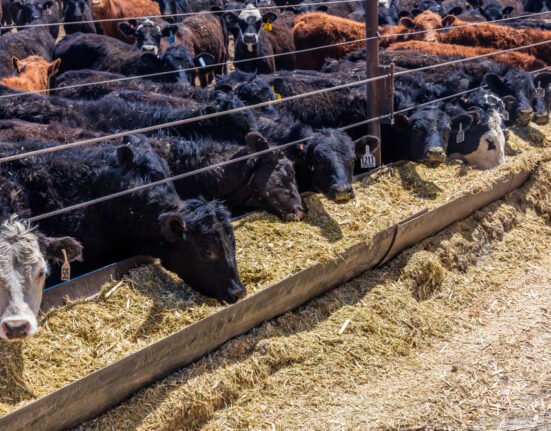
Persistent rainfall and low ground temperatures across major dairy-producing areas, particularly in southern and western regions, delayed grass growth during the crucial spring period. The slower development of grass extended the period during which cattle remained indoors and increased farmers’ reliance on stored forage and purchased feed.
As winter feeding periods continued for longer than expected, many farms were forced to use emergency forage reserves and purchase additional quantities of commercial concentrates.
This created additional variable costs at a time when milk production and milk solids deliveries were already below normal seasonal expectations.
Lower Cash Flow Hits Rural Economy
The deterioration in farm-level cash flow is extending beyond individual dairy businesses and affecting Ireland’s wider rural economy.
With farmers facing reduced revenues and tighter margins, spending on machinery, equipment and other agricultural services has come under pressure. Machinery dealerships, agricultural contractors and local trade suppliers are among the businesses exposed to weaker farm investment.
Reduced cash availability can also affect farmers’ ability to undertake planned capital expenditure, including upgrades to milking facilities, farm buildings, machinery and other infrastructure.
Calls for Liquidity Support
Farm organisations are increasingly calling for measures that can help dairy producers manage the cash-flow difficulties.
Among the measures being discussed are flexible working-capital facilities, loan repayment moratoria and margin-smoothing mechanisms from financial institutions and dairy processors.
The immediate priority for the sector is ensuring that viable farm businesses maintain sufficient liquidity through the remainder of 2026.
| Key Pressure | Impact on Dairy Farms |
|---|---|
| Lower farmgate milk prices | Reduced farm revenue |
| High fertiliser costs | Increased production expenses |
| Elevated feed prices | Higher variable costs |
| Energy costs | Greater operating expenditure |
| Persistent rainfall | Delayed grass growth |
| Low ground temperatures | Slower pasture development |
| Longer housing period | Higher feed and forage requirements |
| Lower milk solids | Weaker seasonal returns |
| Reduced cash flow | Pressure on working capital |
| Higher borrowing costs | Greater loan-servicing pressure |
Investment Plans Under Pressure
The decline in cash flow is also creating uncertainty around future farm investment.
Dairy farms typically require regular capital expenditure to maintain productivity and comply with operational requirements. However, when margins become compressed, farmers may postpone non-essential machinery purchases, infrastructure improvements and development projects.
This creates a potential knock-on effect throughout the agricultural supply chain, particularly for businesses dependent on spending from dairy and livestock farms.
The situation also highlights the importance of managing liquidity during periods when milk prices and production costs move in opposite directions. While input costs have moderated from previous peaks, their continued elevation means farmers have less protection against falling milk prices.
Outlook for Irish Dairy Farmers
The performance of the Irish dairy sector during the remainder of 2026 will depend on several factors, including farmgate milk prices, feed and fertiliser costs, weather conditions and interest rates.
Improved grass-growing conditions could help reduce purchased-feed requirements and support pasture-based production. However, sustained pressure on milk prices could continue to limit farmers’ ability to rebuild cash reserves and resume planned investments.
For now, maintaining liquidity has become a central concern for Irish dairy farms. The combination of weaker milk revenues, elevated production costs and weather-related disruptions has created a challenging operating environment, with consequences extending from individual farms to Ireland’s broader rural economy.