Bengaluru: A food safety inspection across 36 railway stations in Karnataka has uncovered several suspected violations, including the use of non-permitted colours in sweets, expired dairy products, unhygienic food preparation practices and fungal growth in vegetables.
The inspection was conducted by the Food Safety and Drug Administration (FSDA) department and covered 112 food establishments, including railway pantries, railway hotels and food served on trains.
The inspections extended across several major railway locations, including Bengaluru, Mysuru, Mangaluru, Hubballi, Ballari, Haveri, Udupi and Kolar, among other districts.
The findings have raised concerns about food safety compliance at railway food establishments, particularly regarding the handling and storage of perishable dairy products.
Non-Permitted Colours Found in Sweets
Inspection teams reported suspected use of non-permitted colours in two popular Indian sweets — Jalebi and Khova Peda.
According to the FSDA, a yellow colour was detected in Jalebi, while pink colour was found in Khova Peda.
The use of unauthorised food colours can pose food safety concerns and highlights the importance of regulatory monitoring of prepared foods sold to railway passengers.
Authorities are expected to take action against food businesses found violating prescribed food safety standards.
Expired Dairy Products Detected
One of the major findings involved expired dairy products.
Inspection teams found expired curd and standardised milk packets at a railway station in Haveri district.
Dairy products such as milk and curd are highly perishable and require appropriate temperature control, storage and inventory management.
The presence of expired dairy products in railway food establishments raises concerns because these products can be consumed directly by passengers if they are not removed from circulation.
Regular inspection and proper stock management are therefore important for maintaining food safety.
Unhygienic Conditions at KR Puram
At KR Puram Railway Station, inspectors found a hotel operating under unhygienic conditions.
The finding highlights concerns surrounding food preparation environments at railway stations, where large numbers of passengers depend on food vendors and hotels for meals and refreshments.
Maintaining clean preparation areas, appropriate storage conditions and proper hygiene practices is essential to prevent contamination.
Plastic Material Used in Idli Preparation
At Mysuru Railway Station, inspection teams found idlis being prepared using plastic material.
Officials also discovered expired food products in the kitchen.
The combination of inappropriate food-contact materials and expired ingredients represents another area of concern for food safety authorities.
Food preparation equipment and storage containers need to be suitable for contact with food and handled according to prescribed safety standards.
Fungal Growth Found on Vegetables
The inspection teams also reported fungal growth on onions and other vegetables.
Fresh vegetables used in food preparation need to be inspected regularly and stored under suitable conditions.
Using vegetables showing visible spoilage or fungal growth can compromise food quality and potentially create health risks.
The findings demonstrate the importance of maintaining proper food storage and regularly removing spoiled ingredients from kitchens.
Chutney Stored in Unsuitable Containers
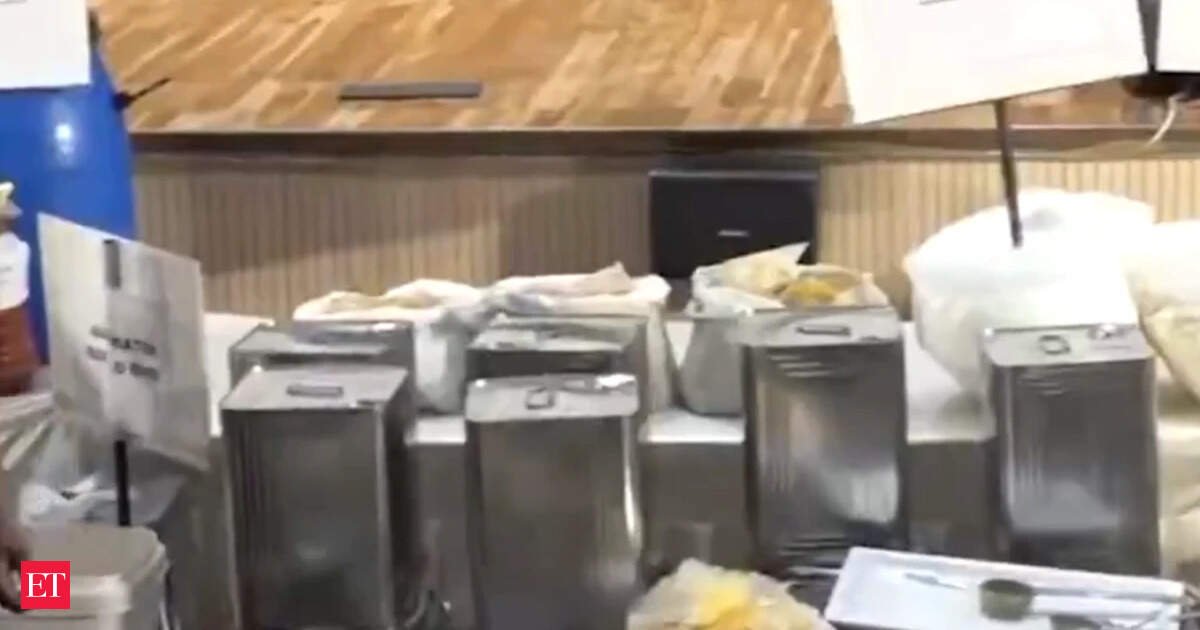
Inspectors also found chutney stored in plastic buckets that were not suitable for food storage.
Food-contact containers need to meet appropriate safety requirements, particularly when used to store prepared foods for extended periods.
The finding adds to the concerns regarding hygiene and food-handling practices at some of the inspected establishments.
Vande Bharat Trains Found Clean
Not all findings from the inspection were negative.
The department reported that the Vande Bharat trains operating between Mangaluru and Kerala and between Hubballi and Bengaluru were found to be clean.
However, inspection teams still reported suspected use of non-permitted colours in food products.
The findings indicate that cleanliness of food-service areas and compliance with food ingredient regulations both remain important components of railway food safety.
Wide-Ranging Inspection
The inspection covered 112 food establishments across 36 railway stations, making it a significant food safety monitoring exercise.
The establishments inspected included:
- 🚆 Railway pantries
- 🍽️ Railway hotels
- 🥘 Food-service establishments
- 🚄 Food served on trains
The geographic coverage across multiple Karnataka districts provides authorities with a broader picture of food safety practices within the railway food-service network.
Dairy Products Require Particular Attention
The discovery of expired curd and milk packets is particularly relevant to the dairy supply chain.
Milk and dairy products require careful handling because their quality can deteriorate quickly if they are stored beyond their shelf life or under inappropriate conditions.
For railway food operators, managing dairy inventories can be challenging because demand can fluctuate significantly depending on passenger volumes and train schedules.
Effective stock rotation, refrigeration and regular expiry-date checks are therefore essential.
Regulatory Action Expected
The Food Safety and Drug Administration said railway authorities and designated officers concerned would be informed about the violations identified during the inspections.
The department also indicated that further legal action would be initiated against food business operators found to have violated prescribed food safety requirements.
Such enforcement measures are intended to ensure that food businesses comply with food safety regulations and address deficiencies identified during inspections.
Importance of Food Safety Monitoring
Railway stations serve large numbers of passengers every day, making food safety monitoring particularly important.
Food sold at railway stations and on trains can range from packaged products to freshly prepared meals, sweets and dairy-based items.
This diversity means that authorities need to monitor several aspects of food safety, including:
🔹 Ingredient compliance
🔹 Food preparation hygiene
🔹 Storage conditions
🔹 Product expiry dates
🔹 Food-contact materials
🔹 Freshness of vegetables and other ingredients
🔹 Cleanliness of kitchens and food-service areas
Regular inspections can help identify violations before unsafe food reaches consumers.
Focus on Consumer Protection
The inspection campaign ultimately highlights the importance of protecting consumers who rely on railway food services.
Passengers may have limited alternatives when purchasing food during train journeys or at stations, making regulatory oversight particularly important.
Ensuring that food operators comply with safety standards can help improve consumer confidence and reduce the risk associated with contaminated, expired or improperly handled food.
Outlook
The findings from Karnataka’s railway station inspections underline the need for continued monitoring of food safety across transport hubs.
While the discovery of expired milk and curd, suspected non-permitted colours, unhygienic kitchens, spoiled vegetables and unsuitable food-storage containers raises concerns, the clean conditions reported on the inspected Vande Bharat services provide a positive example.
For the dairy sector, the presence of expired milk and curd also reinforces the importance of maintaining proper cold-chain management, inventory control and product traceability throughout the retail and food-service supply chain.
With authorities preparing to notify railway officials and take legal action where violations are confirmed, the inspection could encourage stronger compliance among food businesses operating across Karnataka’s railway network.