ANITRAC aims to strengthen animal health, disease surveillance and market access
Kenya is accelerating the nationwide rollout of a digital livestock identification and traceability system aimed at improving animal health management, disease surveillance, food safety and livestock productivity.
Agriculture and Livestock Development Cabinet Secretary Mutahi Kagwe is championing the rollout of the Animal Identification and Traceability System (ANITRAC), which will assign individual identities to cattle, goats and sheep and create digital records that can follow animals throughout their lifetime.
The system is expected to provide authorities and livestock-sector stakeholders with more reliable information on animals, including their origin, ownership, health status, vaccination history and movements.
Individual animal identities to improve traceability
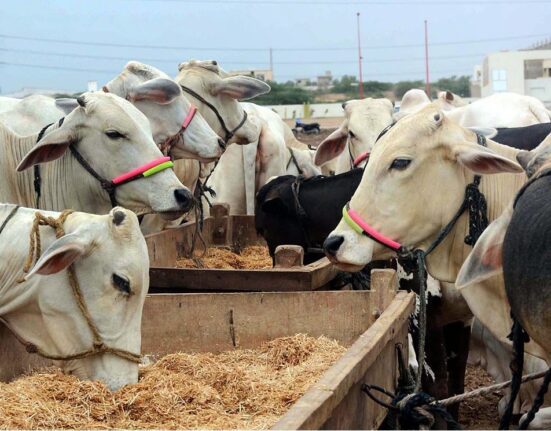
Under ANITRAC, livestock can be identified using visual ear tags and microchips, with information linked to a central digital platform.
Authorised government officials, veterinarians, abattoirs, traders and other participants in the livestock value chain will be able to access relevant records.
Kagwe said the system would help create greater transparency across Kenya’s livestock sector.
“Going forward, every Kenyan animal should have an identity and a traceable history.”
The initiative is intended to establish a digital history for animals from their origin through different stages of production, trade and processing.
Key features of ANITRAC
| Feature | Expected role |
|---|---|
| Animal identification | Unique identity for cattle, goats and sheep |
| Ear tags | Visual identification of livestock |
| Microchips | Digital identification and record linkage |
| Health records | Track animal health status |
| Vaccination history | Monitor disease-prevention measures |
| Movement records | Trace livestock movements |
| Ownership information | Establish ownership history |
| Central database | Connect authorised value-chain stakeholders |
Digital records could strengthen disease control
Disease surveillance is one of the key objectives of the system.
During an outbreak, movement records could help authorities determine where an infected animal originated and identify other livestock that may have come into contact with it.
This could make disease investigations faster and improve the ability of authorities to contain outbreaks.
Vaccination records could also provide a clearer understanding of disease-prevention coverage across livestock populations. Such information could support more targeted interventions by veterinary authorities.
For farmers and veterinarians, access to animal-level records could also improve health and production decisions by providing a clearer history of individual animals.
Traceability linked with livestock productivity
Kenya’s digital identification initiative is also being positioned as part of a broader effort to improve livestock productivity.
Kagwe has encouraged farmers and pastoralists to combine traceability with improved genetics, artificial insemination, animal nutrition, commercial feedlots, livestock insurance and climate-smart production practices.
Better records could help connect these interventions with individual animals and herds, allowing producers to monitor health, breeding and production information more effectively.
Animal nutrition remains a major component of productivity improvement. Access to quality feed and appropriate feeding practices can contribute to better animal growth, reproduction and health.
A reliable identification system could provide a digital framework for recording these interventions and monitoring their outcomes over time.
Potential benefits for livestock markets
Traceability could also strengthen Kenya’s livestock market opportunities.
Reliable information on an animal’s origin, health and movement can increase transparency and potentially improve confidence among buyers, processors and other value-chain participants.
For livestock producers, stronger traceability could support access to markets where buyers require greater assurance regarding animal health and food safety.
Abattoirs and traders could also benefit from more reliable information when sourcing animals, while regulators would have improved visibility across livestock movements.
Building a more data-driven livestock sector
The rollout of ANITRAC represents a shift toward greater use of digital information in Kenya’s livestock industry.
By linking individual animals to health, vaccination, ownership and movement records, the system could provide authorities with a stronger foundation for disease management while giving producers better information for livestock management.
The effectiveness of the initiative will depend on broad adoption, reliable data collection, functioning digital infrastructure and cooperation among farmers, pastoralists, veterinarians, traders and government agencies.
If implemented effectively, ANITRAC could become an important component of Kenya’s livestock development strategy, helping the country improve animal health, strengthen food safety, raise productivity and build greater confidence in domestic and international livestock markets.