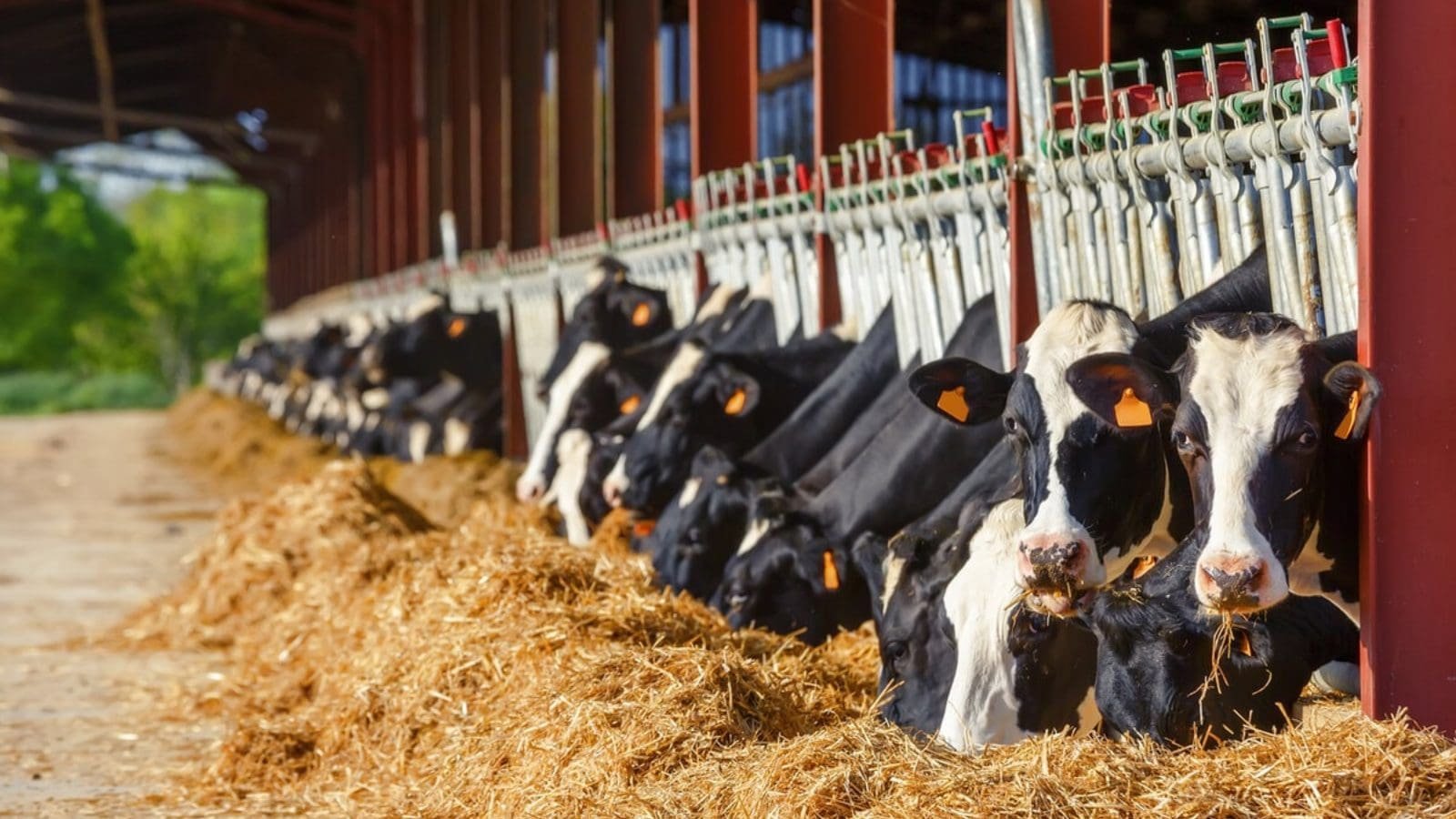
Dairy farmers in Gatanga, Murang’a County, Kenya, are urging the government to reduce taxes on animal feed, strengthen cooperative legislation and expand veterinary services as rising production costs and declining milk deliveries put pressure on the country’s dairy sector.
The farmers raised their concerns during the launch of government-provided milk coolers in Kigio. They said expensive feed was reducing their earnings and making dairy farming increasingly difficult to sustain. They also called for more veterinary officers to improve livestock health and maintain milk productivity.
Declining Milk Supplies Raise Concerns
According to the Kenya Dairy Board (KDB), formal milk deliveries to processors declined by 3.7%, falling from 84.4 million litres in June to 81.3 million litres in July 2026. The board attributed the decrease to dry and cold weather, which reduced pasture and fodder availability. Preliminary figures indicated that milk deliveries fell further in August.
The decline highlights the vulnerability of Kenya’s dairy sector to changing weather conditions and feed shortages. When pasture and fodder become scarce, farmers often face higher feeding costs, which can affect milk yields and profitability.
Farmers are therefore seeking tax relief on animal feed to make dairy production more affordable and protect their incomes.
Government Plans Long-Term National Feed Strategy
The government has recognised feed affordability and availability as major challenges. At the Association of Kenya Feed Manufacturers’ conference in July, officials announced plans to implement a KSh465 billion (approximately US$3.6 billion) National Feed Strategy over 10 years.
The strategy aims to improve the availability, quality and affordability of livestock feed. Identified challenges include a national feed deficit, low forage productivity, expensive raw materials and post-harvest losses.
Planned interventions include expanding pasture and fodder production, developing priority feed value chains and exploring the establishment of a strategic national feed reserve.
Effective implementation could help reduce feed shortages, strengthen livestock productivity and improve the resilience of dairy farming against adverse weather conditions.
Milk Coolers Support Cooperative Dairy Farmers
Alongside feed-related initiatives, the government has invested in milk-handling infrastructure. In September, it handed over 12 bulk milk coolers worth KSh87.94 million (approximately US$681,000) to dairy cooperatives in Murang’a County.
The equipment is expected to benefit more than 18,000 farmers, handle over 37,000 litres of milk daily and reduce post-harvest losses.
Bulk milk coolers can help preserve milk quality after collection and improve handling before transportation to processors. However, farmers maintain that investments in infrastructure must be accompanied by measures addressing production costs, animal health and milk marketing.
Farmers Seek Stronger Cooperative Legislation
Farmers are also calling for amendments to cooperative laws to prevent processors from purchasing milk directly from individual farmers. They argue that direct purchasing can weaken dairy cooperatives by reducing the volume of milk marketed through these organisations.
John Waweru, head of the cooperative dairy sector, has called for legislation requiring processors to purchase milk through cooperatives.
The proposal comes amid concerns about cooperative performance. In September, some farmers in Murang’a reported delayed payments from their cooperative, prompting them to sell milk to private buyers.
These concerns point to the need for cooperatives to improve payment reliability, transparency and service delivery while maintaining farmers’ confidence in collective marketing arrangements.
Veterinary Services Remain a Priority
Farmers in Gatanga have also highlighted limited access to veterinary officers. Reliable veterinary services are essential for disease prevention, livestock health, reproductive performance and sustained milk production.
The Kenya Veterinary Association has separately called for greater government investment in veterinary services, citing funding and workforce challenges.
For Kenya’s dairy industry, improving milk supply will require a coordinated approach that combines affordable feed, stronger veterinary services, effective cooperatives and reliable milk-cooling infrastructure. Addressing these issues could help improve farmer returns, reduce milk losses and support a more resilient dairy supply chain.