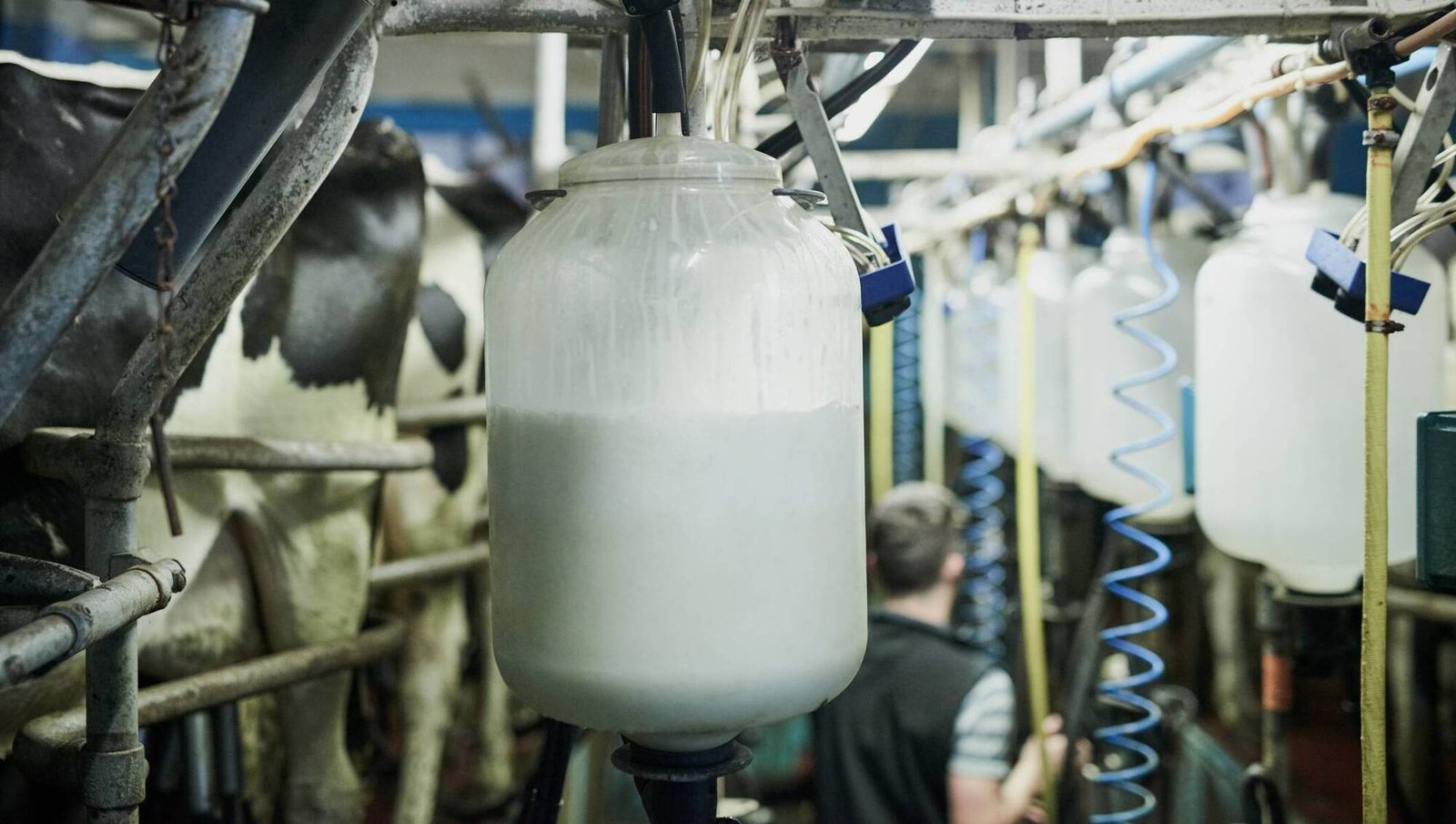
Ksheera Project Sparks Dairy Transformation in Karnataka’s Vijayapura District
Once synonymous with recurring drought and agricultural uncertainty, Karnataka’s Vijayapura district is now emerging as a promising dairy hub, driven by improved irrigation infrastructure and the adoption of scientific dairy farming practices.
Through the Ksheera Project, nearly 150 farmers across eight villages are being trained to improve cattle productivity, strengthen farm economics, and transform dairy farming into a sustainable primary livelihood.
Scientific Dairy Practices Drive Productivity
The initiative, jointly implemented by the Krishi Kalpa Foundation and Akshayakalpa Foundation, focuses on introducing modern dairy management techniques that can significantly improve milk yields and farmer incomes.
The programme currently covers the villages of:
- Nidoni
- Nagaral
- Kumathe
- Jalageri
- Babanagar
- Arjunagi
- Yakkundi
- Dhokalewadi
Participating farmers were selected based on existing dairy involvement, with eligibility criteria including ownership of at least four cows and a minimum of one acre of land.
The six-month training programme commenced in January and includes:
- 🐄 Scientific cattle management practices
- 🌱 Introduction of nutritious mixed fodder systems
- 🏠 Improved cattle housing and shed management
- 📈 Productivity monitoring and farmer advisory services
- 🤝 Continuous field-level support by trained village staff
Improved Irrigation Opens New Opportunities
Historically affected by drought conditions, Vijayapura has witnessed improved water availability in recent years, creating new opportunities for livestock-based farming systems.
The availability of water has enhanced fodder cultivation prospects and reduced one of the major constraints limiting dairy development in the region.
Project leaders believe dairy farming can now become a stable and resilient income source, reducing farmers’ dependence on traditional crop agriculture.
Research and Long-Term Support
To support the initiative, BLDE Deemed University has reportedly allocated ₹50 lakh for the pilot project in Babaleshwar and Tikota taluks.
Additionally, an 11-acre Research and Development Centre has been established at Nidoni to promote innovation, farmer training, and sustainable dairy development.
The university has also committed to supporting the programme financially for the next four years.
Farmers Witness Significant Improvements
According to participating farmers, scientific interventions have already begun delivering encouraging results.
Farmers have reported:
- 🥛 Nearly doubled milk production
- 💰 Significant improvement in dairy incomes
- 🐄 Better animal health and management
- 🌱 Enhanced feed efficiency
- 📈 Growing confidence in dairy as a primary livelihood source
For many households, dairy farming is transitioning from a supplementary activity into a major income-generating enterprise.
A Model for Rural Dairy Development
The Ksheera Project highlights how integrated support systems combining:
- Technology transfer
- Scientific training
- Research support
- Fodder development
- Farmer mentoring
can significantly improve rural livelihoods and strengthen India’s dairy ecosystem.
As climate variability and agricultural uncertainties continue to challenge traditional farming systems, dairy farming supported by scientific management may increasingly emerge as a viable pathway for improving farm resilience and income stability.
The success of the initiative could provide a replicable model for dairy-led rural transformation in other water-stressed regions across India.