India’s position as the world’s largest milk producer is unambiguous. With annual output exceeding 230 million tonnes, the country accounts for nearly a quarter of global milk production. Yet this numerical dominance masks a persistent paradox. India’s dairy exports remain marginal, contributing less than 1% to global dairy trade by value. Milk rules domestically, but its translation into export competitiveness has remained limited. The year 2026, however, may mark an inflection point.
The constraint has never been production capacity. Instead, it lies in structural fragmentation, limited value addition, and a domestic-first orientation that prioritises food security over trade ambition. India’s dairy sector is designed to absorb milk internally, stabilise farmer incomes, and meet nutritional demand rather than chase volatile international markets. While this approach has delivered resilience, it has also restricted export scalability.
Why India’s Export Footprint Remains Small
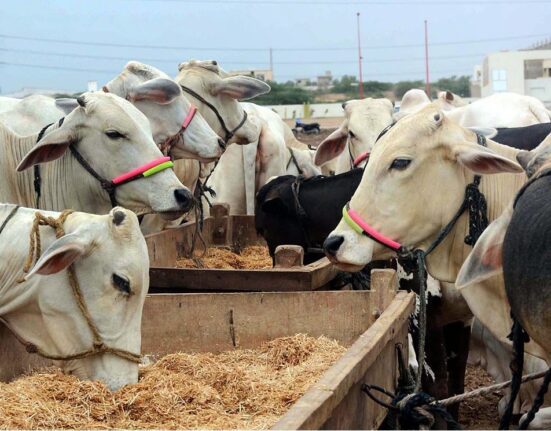
India’s dairy ecosystem is dominated by smallholders, with average herd sizes of two to three animals. This decentralisation supports livelihoods but complicates export-grade consistency. International dairy markets demand uniformity in quality, traceability, and shelf stability, requirements that are still unevenly met across India’s procurement and processing networks.
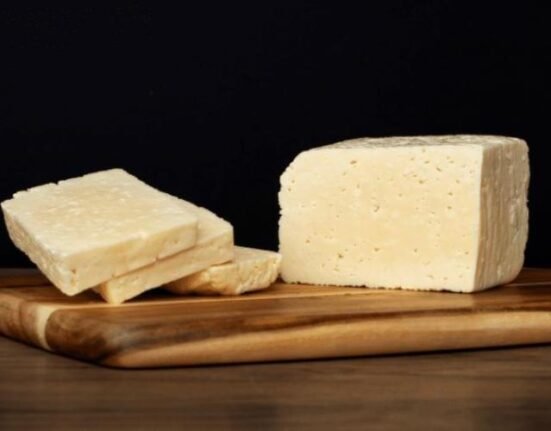
Moreover, a large share of India’s milk is consumed in liquid form. Unlike export-heavy dairy economies such as New Zealand or the European Union, India converts a relatively smaller proportion of milk into tradable formats such as cheese, whey derivatives, casein, and specialised milk powders. This limits both value realisation and market diversification.
Trade policy has also played a role. Periodic export restrictions, tariff adjustments, and minimum export price mechanisms, while domestically justified, have reduced India’s reliability as a long-term supplier in global markets.
Why 2026 Looks Different
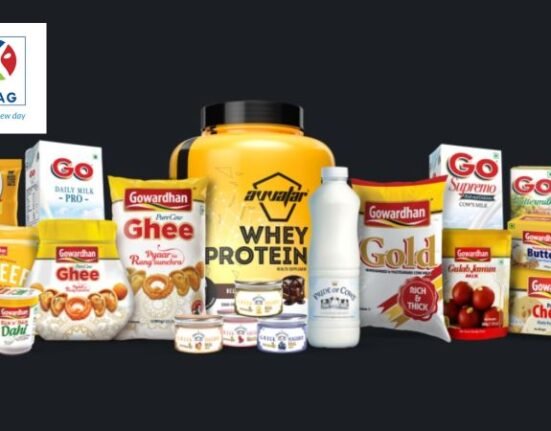
Several structural shifts suggest that India’s dairy export narrative could evolve meaningfully by 2026. First, value-added processing capacity is expanding. Investments in cheese, lactose, infant nutrition ingredients, and functional dairy products are gaining momentum, driven by both cooperatives and private processors. These products are less sensitive to domestic price fluctuations and better aligned with global demand.
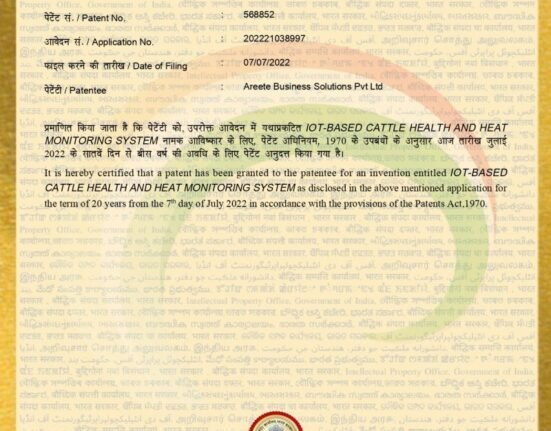
Second, quality infrastructure is improving. Digital milk testing, traceability systems, and stricter quality benchmarks are increasingly embedded at the procurement level. As standardisation improves, export-grade volumes become more predictable.
Third, demand dynamics are shifting. Markets in Southeast Asia, Africa, and the Middle East are witnessing rising consumption of dairy-based nutrition, where India holds logistical and cultural proximity advantages. These regions value affordability and reliability over premium positioning, aligning well with India’s cost structure.
From Volume Power to Trade Influence
For India, the export opportunity is not about competing head-on with established dairy exporters on scale or subsidies. It is about selective participation, focusing on milk powders, ghee, ethnic dairy products, and nutrition-linked formulations where India already holds processing expertise.
Crucially, exports need not undermine domestic availability. With rising productivity, better feed management, and improved animal health outcomes, incremental surplus can be channelled into external markets without destabilising internal prices.
The Strategic Question Ahead
The real question is not whether India can export more dairy, but whether it chooses to institutionalise exports as a strategic pillar rather than a cyclical outlet. If 2026 brings policy stability, investment continuity, and export-friendly quality frameworks, India’s dairy sector could finally convert production dominance into trade relevance.