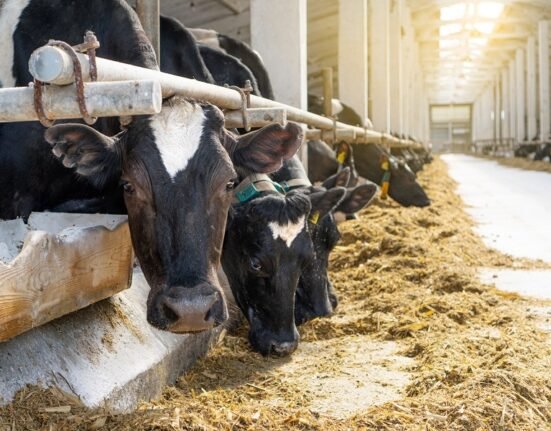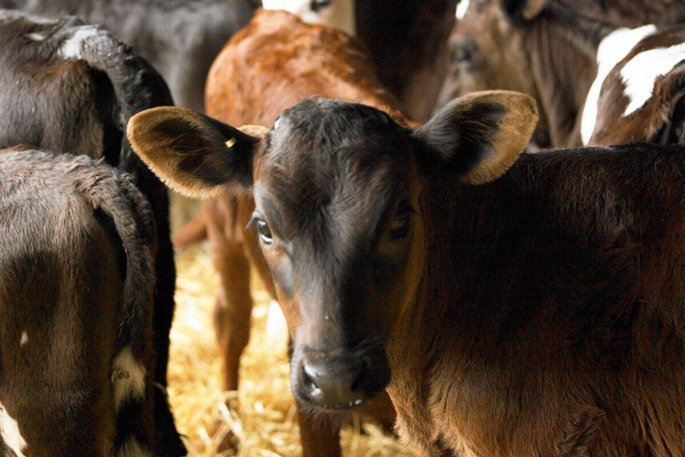
New Zealand dairy farmers are increasingly investing in enclosed animal housing, covered barns and composting facilities as they look to protect pastures, improve animal welfare and strengthen farm productivity.
The shift toward more controlled housing systems is being driven by a combination of environmental regulations, changing weather conditions, improving milk prices and the need to make dairy operations more efficient.
Environmental Regulations Drive Housing Investment
One of the major factors behind the growing adoption of enclosed housing is the increasing focus on freshwater quality and environmental protection.
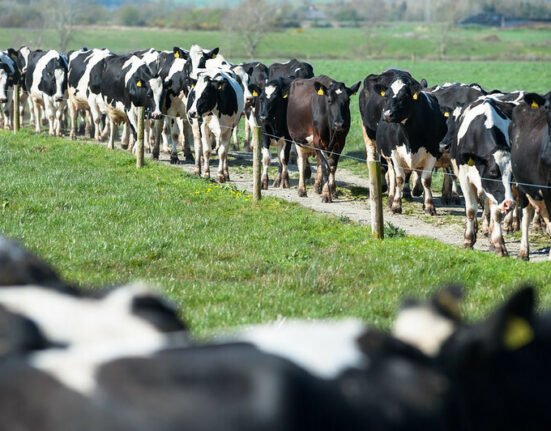
During periods of heavy rainfall, saturated soils can become highly vulnerable to damage from livestock movement. When large herds remain on wet paddocks, animal traffic can cause soil compaction, pasture damage and nutrient runoff into nearby waterways.
By moving cattle into off-paddock facilities during these periods, farmers can reduce pressure on vulnerable pastures and limit the movement of nutrients into local water systems.
Modern housing facilities also allow farmers to collect and manage animal waste more effectively. Waste can be captured in dry bedding packs or dedicated effluent storage systems, allowing nutrients to be retained rather than lost through runoff.
The collected organic material can subsequently be processed into compost or used as a nutrient source on farmland during more suitable growing conditions.
Animal Welfare and Cow Comfort Gain Importance
Environmental considerations are not the only reason behind the investment.
Animal welfare and cow comfort are becoming increasingly important factors in the design of modern dairy farms.
Covered barns and composting systems can provide protection against New Zealand’s challenging weather conditions, including prolonged rainfall, cold winds and periods of extreme summer heat.
Maintaining a more stable environment can reduce the amount of energy cows need to spend coping with environmental stress. This can allow more energy to be directed towards maintaining body condition and milk production.
Farmers using modern housing systems have reported improvements in several areas of animal health and welfare, including lower somatic cell counts, fewer lameness problems and better calf health.
Improved cow comfort can also contribute to stronger milk-solids production per animal.
Protecting Pastures During Wet Conditions
Pasture management remains central to New Zealand’s dairy production model.
The country’s dairy industry relies heavily on pasture-based feeding, making the protection of productive grazing land particularly important.
Wet winter conditions can create challenges for farmers because excessive animal movement can damage soil structure and reduce pasture productivity.
Off-paddock housing provides farmers with an alternative during these periods.
Instead of allowing cattle to remain on vulnerable paddocks, animals can be housed temporarily while pasture recovers.
This can extend grazing rotations and help farmers make better use of home-grown forage once conditions improve.
Higher Milk Payouts Support Capital Investment
The recent improvement in farmgate milk payouts has also helped strengthen the financial case for investment in dairy infrastructure.
Higher returns from milk production can improve farm cash flow and give producers greater confidence to invest in long-term projects.
At the same time, more stable interest rates have improved financing conditions for farmers considering major infrastructure investments.
Large-span steel barns, composting facilities and associated effluent management infrastructure can require significant upfront capital.
However, farmers are increasingly evaluating these investments based on their potential long-term returns rather than focusing solely on initial construction costs.
Potential Savings Across Farm Operations
Modern animal housing systems can provide financial benefits through several channels.
One potential advantage is the reduction in winter feed wastage. When cattle are housed during poor weather, farmers can better control feed distribution and reduce losses associated with wet or damaged pasture.
Improved animal health can also reduce veterinary and treatment expenses.
Lower rates of lameness and improved udder health, for example, can contribute to fewer health-related costs and better overall herd performance.
Housing can also help farmers manage pasture more efficiently by allowing them to control when animals enter and leave grazing areas.
This can support longer pasture rotations and improve utilisation of home-grown feed.
Composting Systems Create Additional Benefits
Composting barns are becoming an increasingly important component of modern animal housing.
These systems can capture manure and organic material in bedding packs, creating a nutrient-rich material that can eventually be returned to farmland.
Instead of viewing animal waste purely as a disposal challenge, farmers can treat it as a valuable source of organic nutrients.
Applying compost to pastures at appropriate times can contribute to soil fertility while reducing reliance on externally purchased nutrients.
This approach also fits with the broader movement toward more circular and resource-efficient agricultural systems.
Technology and Farm Efficiency
The growth of enclosed housing is also part of a broader transformation taking place across New Zealand’s dairy industry.
Modern dairy farms are increasingly adopting infrastructure designed to improve animal monitoring, feed management, waste handling and overall farm efficiency.
Housing systems can provide farmers with greater control over their herds and allow them to respond more effectively to adverse weather conditions.
As environmental expectations increase, such infrastructure could become an increasingly important component of long-term dairy farm planning.
Balancing Investment Costs and Long-Term Returns
Despite the potential advantages, animal housing requires considerable capital investment.
Construction of large-span buildings, bedding systems, effluent storage facilities and associated infrastructure can represent a substantial financial commitment for dairy farmers.
Producers therefore need to consider factors such as herd size, milk prices, feed availability, financing costs, local environmental requirements and expected productivity improvements before investing.
For larger operations, however, the combination of improved animal welfare, pasture protection, reduced feed losses and better nutrient management can strengthen the business case.
A Changing Model for New Zealand Dairy Farming
The growing adoption of animal housing represents a broader shift in how New Zealand dairy farmers are managing the relationship between productivity, environmental protection and animal welfare.
Rather than replacing pasture-based production, enclosed housing can provide farmers with additional flexibility to protect animals and land during periods when grazing conditions are unsuitable.
With farmgate milk prices providing stronger financial support and environmental regulations continuing to evolve, investment in covered housing and off-paddock systems could become an increasingly important part of New Zealand’s dairy infrastructure.
For farmers, the objective is increasingly clear: protect productive pastures, improve cow comfort, manage nutrients more effectively and maintain profitable milk production.