NGT Seeks Stronger Action Against Illegal Dairy Farms on Yamuna Floodplains
The National Green Tribunal (NGT) has raised serious concerns over the continued operation of illegal dairy farms on Delhi’s Yamuna floodplains, stating that earlier directions aimed at removing such activities have not been fully implemented.
The tribunal has directed the Municipal Corporation of Delhi (MCD) and the Delhi Pollution Control Committee (DPCC) to submit fresh compliance reports and intensify enforcement efforts to safeguard the ecologically sensitive river corridor.
Continued Violations Despite Earlier Orders
The matter came before the Tribunal following allegations that authorities had failed to implement its April 2024 directives, which called for the removal of illegal dairy activities from the Yamuna floodplain, including areas near Chak Chilla village and Mayur Nature Park.
According to inspection reports submitted by the DPCC, authorities found:
- 🐄 Temporary cattle sheds
- 🌾 Fodder storage sites
- 💩 Large accumulations of cattle dung
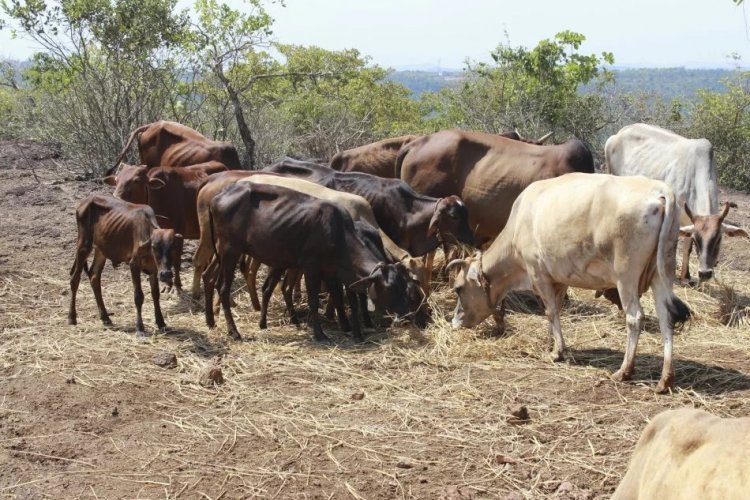
- 🐃 Approximately 50–60 bovine animals grazing in protected areas
Violations were observed in locations including:
- Areas below the DND Flyover
- Namo Bharat RRTS corridor
- Vicinity of New Friends Colony
These areas fall within the protected O-Zone, where construction and environmentally damaging activities are restricted.
Tribunal Criticises Weak Enforcement
The NGT observed that although some permanent structures had been demolished, illegal operators had resumed activities through temporary arrangements.
The tribunal noted that repeated demolition efforts alone have not been sufficient to prevent encroachments.
Authorities were reminded that continued non-compliance undermines environmental protection efforts and poses risks to the fragile floodplain ecosystem.
Ecological Importance of the Yamuna Floodplains
The Yamuna floodplains play a critical role in:
🌿 Groundwater recharge
💧 Flood mitigation and water retention
🦜 Supporting biodiversity and natural habitats
🌍 Maintaining ecological balance within the National Capital Region
Unregulated dairy activities can contribute to:
- Waste accumulation
- Water contamination
- Soil degradation
- Increased environmental stress on river ecosystems
Proper management of livestock activities is therefore considered essential for long-term environmental sustainability.
Fresh Compliance Reports Ordered
The Tribunal has provided a six-week deadline for authorities to submit updated action reports.
In addition, the DPCC has been asked to:
✅ Review enforcement strategies
✅ Consider penalties against repeat offenders
✅ Align actions with Central Pollution Control Board guidelines
✅ Submit progress reports before the next hearing scheduled for September 25, 2026
Need for Sustainable Dairy Management
The case highlights the growing need to balance dairy development with environmental protection.
As urban dairy activities expand, experts increasingly stress the importance of:
- Proper waste management systems
- Designated dairy zones
- Improved livestock regulation
- Sustainable urban dairy policies
- Stronger inter-agency coordination
Outlook
The NGT’s intervention underscores increasing regulatory scrutiny surrounding environmentally sensitive areas and reinforces the need for effective implementation of environmental laws.
The upcoming compliance reports and enforcement measures will be closely watched as authorities attempt to address long-standing concerns surrounding illegal dairy activities on the Yamuna floodplains.