The Ulster Farmers’ Union (UFU) has called on dairy processors across Northern Ireland to increase the base price paid to milk producers, arguing that recent improvements in dairy commodity markets are not being adequately reflected in farmgate milk prices. Despite a reported 19% increase in dairy market prices over four months, farmers continue to face mounting production costs and financial pressure.
The union believes that seasonal winter milk supplements, although beneficial, are insufficient to address the underlying profitability challenges facing dairy businesses. It is urging processors to introduce a meaningful year-round increase in the basic milk price to ensure producers receive a fair share of improving market returns.
The demand comes as Northern Ireland’s six largest milk processors prepare to introduce their seasonal winter payment arrangements.
UFU Highlights Gap Between Dairy Market Returns and Farmgate Prices
Each of Northern Ireland’s six largest dairy processors offers a winter milk supplement, generally worth approximately 3 pence per litre. Depending on the processor, these payments typically cover three to five months outside the main milk production season.
These supplements are designed to encourage farmers to maintain milk production during winter, when seasonal conditions would ordinarily result in lower output. They also provide additional income to producers managing higher feeding, energy, and housing expenses during colder months.
However, the UFU argues that temporary payments cannot replace a sustainable increase in the underlying milk price.
Cyril Orr, chair of the UFU’s dairy committee, welcomed recent announcements by processors introducing additional payments to monthly milk settlements. Nevertheless, he emphasised that the industry must address the fundamental issue of inadequate base prices.
According to Orr, dairy farmers require a consistent milk price that reflects both market returns and the actual costs of production, rather than relying on temporary seasonal incentives.
Rising Global Dairy Commodity Prices Strengthen Farmers’ Demands
The UFU has highlighted improvements in international dairy commodity markets as a key reason for processors to reconsider their farmgate pricing structures.
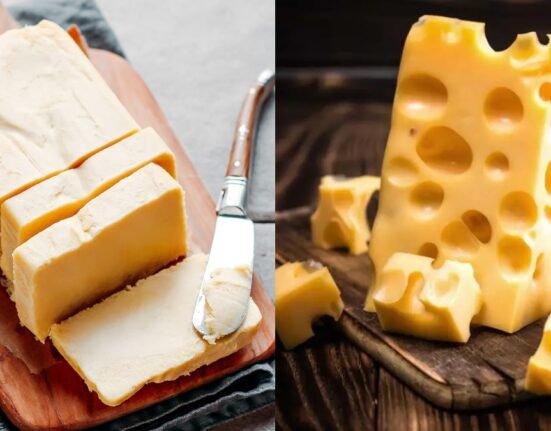
According to Orr, international prices for standard milk powder and skimmed milk powder have increased substantially in recent months. Meanwhile, British mild cheddar prices have risen by 14%, indicating stronger returns across important dairy product categories.
The union also reported a 19% increase in its measure of dairy market prices over four months.
However, the UFU believes these improvements have not translated into corresponding financial benefits for milk producers.
Orr argued that stronger commodity returns should be distributed more fairly throughout the dairy supply chain, ensuring farmers receive an appropriate share of the additional market value generated by milk processing and sales.
Global dairy consumption continues to increase, although the rate of growth is reportedly slowing. Nevertheless, sustained demand remains an important factor supporting international dairy commodity markets.
Feed, Energy and Fertiliser Costs Continue to Pressure Dairy Farms
While dairy commodity prices have improved, Northern Ireland’s dairy producers continue to experience significant increases in operational expenses.
According to the UFU, feed prices have recently increased by approximately 25% per tonne, with the union anticipating another increase of a similar scale early the following year.
Other major expenses, including fuel, electricity, and fertiliser, also remain elevated, creating additional financial challenges for livestock businesses.
These cost increases directly affect milk production economics, as feed procurement, energy consumption, machinery operations, and fertiliser applications represent important components of dairy farm expenditure.
| Cost and market indicator | Reported change |
|---|---|
| Dairy market prices over four months | +19% |
| British mild cheddar prices | +14% |
| Dairy feed prices per tonne | +25% |
| Anticipated additional feed price increase | Approximately 25% |
| Typical winter milk supplement | 3p per litre |
| Winter supplement payment period | 3–5 months |
The UFU also highlighted the impact of summer heatwaves, which reduced milk yields and affected overall production volumes. Lower output, combined with elevated input expenses, has further intensified pressure on farm profitability.
Sustainable Farmgate Prices Essential for Northern Ireland’s Dairy Future
The UFU maintains that dairy processors must ensure stronger market returns are reflected in the prices paid to milk suppliers.
Although winter supplements provide temporary financial assistance, the union believes a higher year-round base price is necessary to support long-term farm investment, production stability, and business sustainability.
A more transparent relationship between commodity market performance, processor returns, and farmgate milk prices could help strengthen confidence across the dairy supply chain.
For Northern Ireland’s dairy sector, the challenge is not simply improving seasonal payments but establishing a sustainable pricing structure that enables producers to manage increasing production costs while maintaining competitiveness.
The UFU’s appeal highlights a wider issue across the global dairy industry: ensuring that improvements in international dairy markets translate into meaningful economic benefits for the farmers responsible for producing milk.