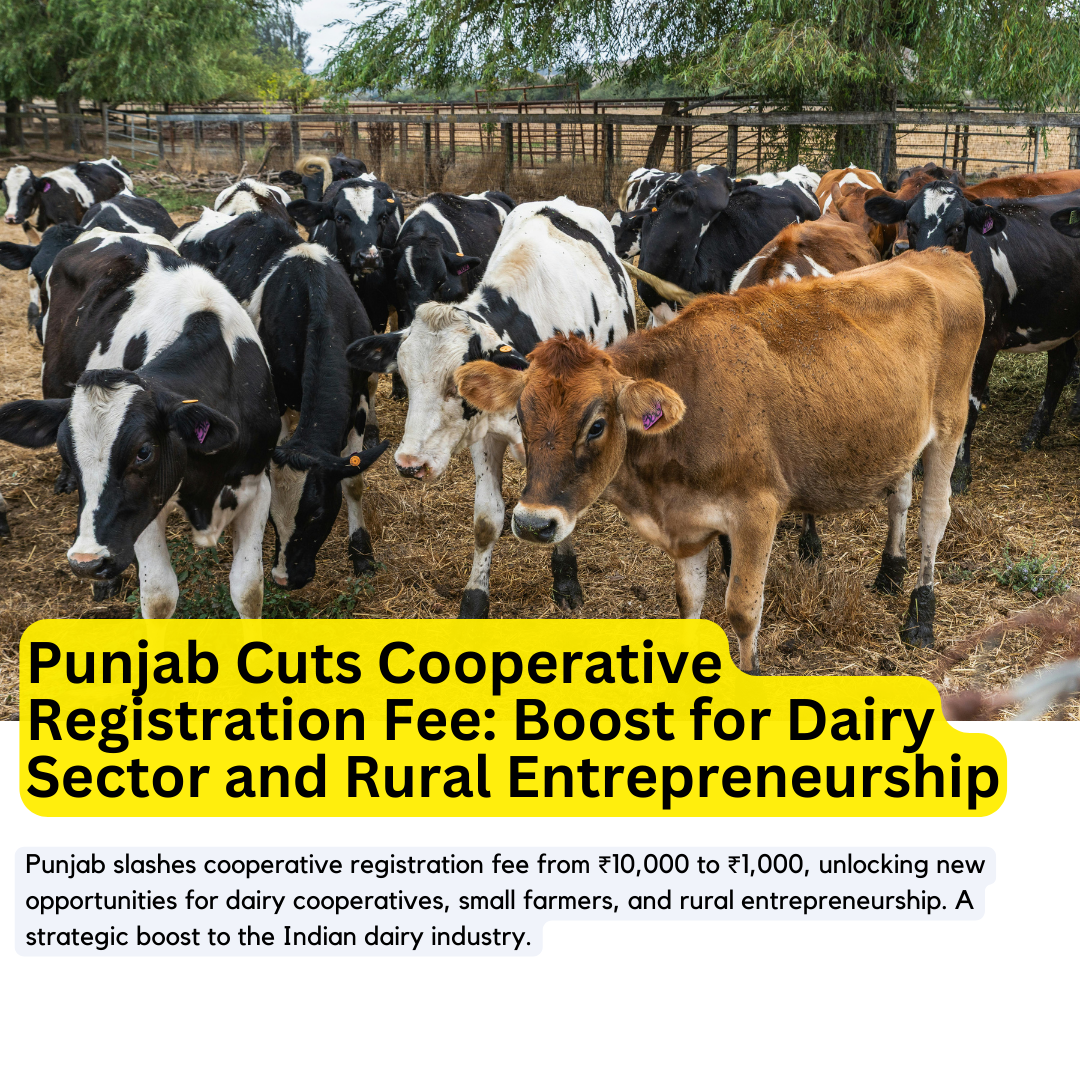
In a move set to energise grassroots-level enterprise in Punjab, the state government has significantly reduced the registration fee for new cooperative societies in agriculture, dairy, and fisheries — from ₹10,000 to just ₹1,000. This bold policy step aims to empower small and marginal farmers, streamline the formation of cooperatives, and strengthen rural livelihoods.
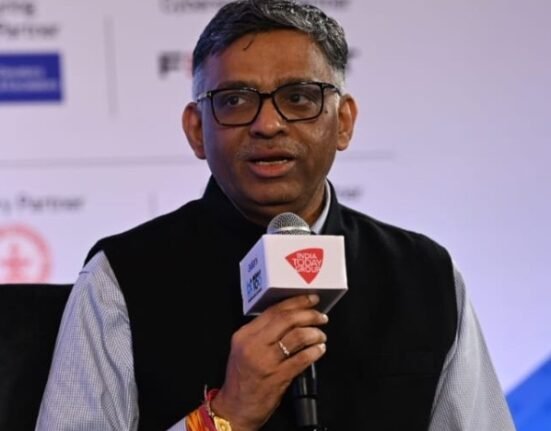
Punjab Cooperation Minister Harpal Singh Cheema announced the revised fee structure, framing it as a part of the government’s broader strategy to revitalise the cooperative movement and deepen economic inclusion in the state.
ImplicatiPunjab’sPunjab’s Dairy Sector
The decision carries strategic significance for the dairy industry, especially in a state like Punjab, where the rural economy is tightly interwoven with dairy farming.
-
Easier Access for Small Dairy Farmers
The high cost of cooperative registration deterred many small-scale dairy producers. With the reduced fee, forming milk producer cooperatives becomes more accessible, enabling farmers to collectively bargain, pool resources, and access institutional support. -
Strengthening Milk Procurement Infrastructure
New cooperatives can play a critical role in enhancing village-level milk collection centres. This will improve cold-chain efficiency and reduce spoilage, particularly in remote or underserved areas. -
Boost to Value-added Dairy Initiatives
By facilitating cooperative models, dairy farmers can now explore diversification into value-added products such as paneer, curd, and flavoured milk. This movealignss India’s growing demand for processed dairy and helps increase farmerwomen’ss -
Women’s Participation and Inclusive Growth
The fee reduction is also expected to foster the formation of women-led cooperatives, which have shown great promise in the dairy space across India. Punjab could witness increased gender participation in dairy entrepreneurship as a result. -
Improved Market Linkages and Policy Access
Cooperatives often act as conduits for government schemes, subsidies, and other forms of financial support. More formalised groups mean better integration with national dairy development programmes such as the Rashtriya Gokul Mission and Dairy Infrastructure Development Fund.
Policy in Context: A Timely Push
Punjab, known for its robust agricultural economy, is also a keyplayer ins India’s dairy landscape. However, states’ dairy sectors face challenges such as rising input costs, feed scarcity, and fragmented supply chains. This fee reduction policy comes at a critical time, enabling structural improvements from the grassroots.
The move also reflects a broader nationwide trend toward revitalising the cooperative model in the dairy sector — a model famously pioneered by institutions like Amul and Verka.
Industry Response
While formal industry feedback is awaited, experts believe this move will accelerate the formation of milk producer organisations (MPOs), enhance milk procurement volumes, and encourage innovation in rural dairy enterprises. It also aligns with broader goals of promoting sustainable dairy farming through community-owned frameworks.
Conclusion
By making it more affordable to register dairy cooperatives, the Punjab government has removed a long-standing barrier to organised rural enterprise. The ripple effects of this policy could be far-reaching, catalysing a new wave of dairy entrepreneurship, enhancing farmer incomes, and improving supply chain resilience in the Indian dairy industry.