India’s rapidly expanding dairy sector is facing a critical infrastructure challenge: keeping milk cold from the moment it is collected until it reaches processing facilities. As the country prepares to expand its cooperative dairy network under White Revolution 2.0, reliable and affordable energy is becoming increasingly important for protecting milk quality and reducing losses.
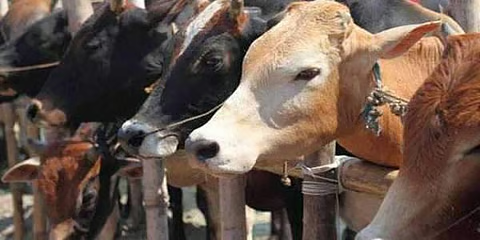
According to the National Accounts Statistics 2024, India’s milk output was valued at more than ₹11.16 lakh crore, making it the country’s largest agricultural commodity by value. Dairy also provides livelihoods to more than eight crore people, with small and marginal farmers forming a major part of the sector.
India has remained the world’s largest milk producer since 1998. Milk production increased from around 210 million tonnes in 2020-21 to nearly 248 million tonnes in 2024-25, representing growth of almost 18%.
White Revolution 2.0 increases infrastructure requirements
The government launched White Revolution 2.0 in September 2024 with the objective of expanding dairy cooperatives and increasing milk procurement. The initiative targets the creation of 75,000 new dairy cooperative societies and a 50% increase in milk procurement by cooperatives over five years.
However, expanding collection networks alone may not be sufficient. Milk needs to be cooled rapidly after milking because it leaves the animal at approximately 33°C and should ideally reach around 3-4°C as quickly as possible.
Delays in reaching chilling centres can increase bacterial growth and affect milk quality. In several regions, milk may take four to six hours to reach a chilling facility because of long distances and inadequate infrastructure.
Power reliability remains a major challenge
Bulk milk coolers are essential for maintaining milk quality, but they depend heavily on electricity. When grid power fails, many collection centres turn to diesel generators.
This can significantly increase operating costs. Estimates cited in the report indicate that grid electricity used for chilling can cost approximately ₹0.15-₹0.20 per litre, compared with up to around ₹2 per litre when diesel is used.
For rural cooperatives, repeated power disruptions therefore create a double challenge: higher energy costs and greater risk of milk spoilage.
Solar-powered chilling offers an alternative
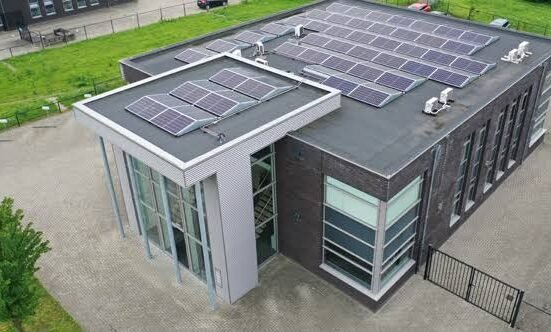
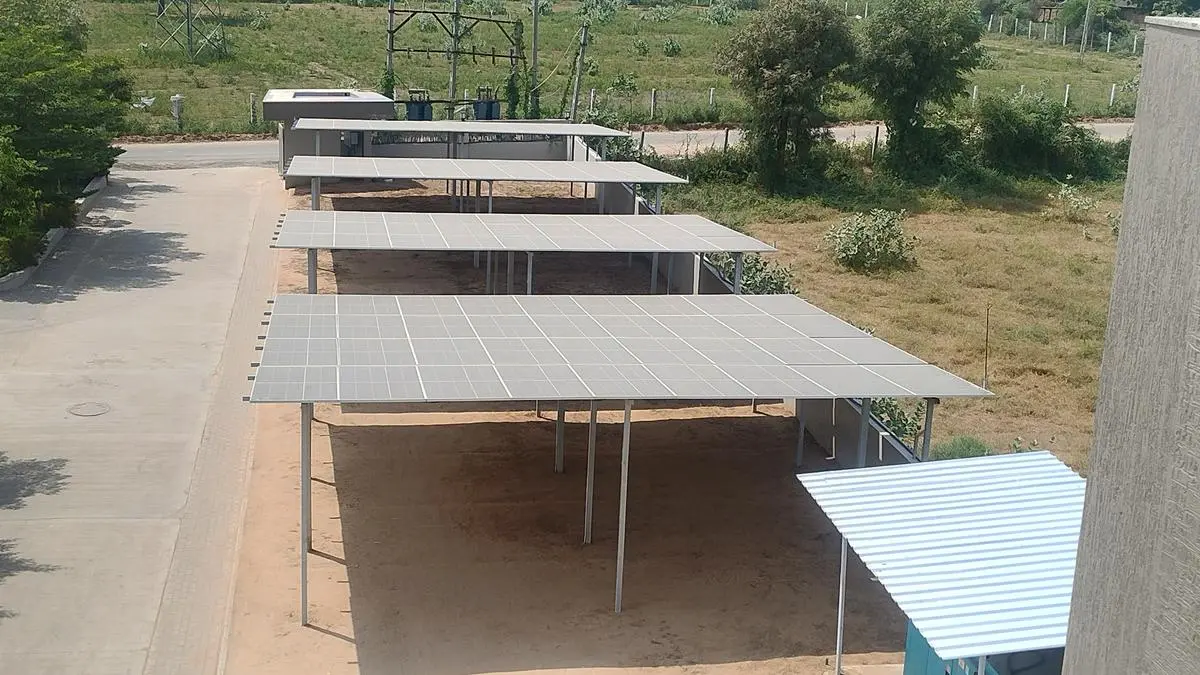
Solar-powered milk chillers are emerging as one potential solution, particularly in regions with unreliable electricity supplies. Stand-alone systems can combine solar panels with thermal storage, allowing cooling to continue even when the grid is unavailable.
In such systems, excess solar energy can be used to freeze water and store cooling in the form of ice. This stored thermal energy can subsequently help maintain low milk temperatures during nighttime or power outages.
Experiences from dairy cooperatives in Gujarat, Rajasthan and Assam demonstrate the potential of this approach. Some facilities have reported lower energy expenses, reduced diesel consumption and significant reductions in milk spoilage after adopting solar-based cooling systems.
One example from Assam involved a women-led farmer producer company that experienced milk losses during major power outages. Following installation of a solar system, its monthly energy expenditure reportedly fell substantially and diesel dependence was eliminated.
Solar applications extend beyond chilling
The role of renewable energy in dairying is also expanding beyond milk cooling. Solar-powered milking equipment can help farmers operate during electricity interruptions, while solar water heaters can provide hot water required for cleaning dairy equipment.
Solar energy is also being introduced into larger dairy processing operations. The National Dairy Development Board has supported solar-based initiatives, including a solar-powered milk processing plant in Kargil and a larger solar-supported processing project in Kerala.
Financing remains a key barrier
Despite the potential benefits, the high initial cost of stand-alone solar cooling systems remains a challenge for small collection centres. Limited financial support and insufficient incentives linked to milk quality can also slow adoption.
As White Revolution 2.0 expands India’s dairy cooperative network, investment in cold-chain infrastructure will therefore be as important as establishing new societies.
Solar energy cannot solve every challenge facing India’s dairy industry, but reliable renewable-powered cooling could reduce spoilage, lower energy costs and strengthen milk collection in areas with weak electricity infrastructure. Scaling these systems will require appropriate financing, policy support and greater recognition of milk quality across the dairy value chain.