Methane emissions are a major contributor to global warming, creating an urgent need for technologies that reduce greenhouse gases while supporting sustainable food production. Bengaluru-based biotechnology company String Bio is addressing this challenge by using synthetic biology to convert methane into protein-rich ingredients and agricultural inputs. Its technology could have important implications for the dairy industry, particularly in the areas of cattle nutrition, feed sustainability and the development of lower-emission livestock production systems.
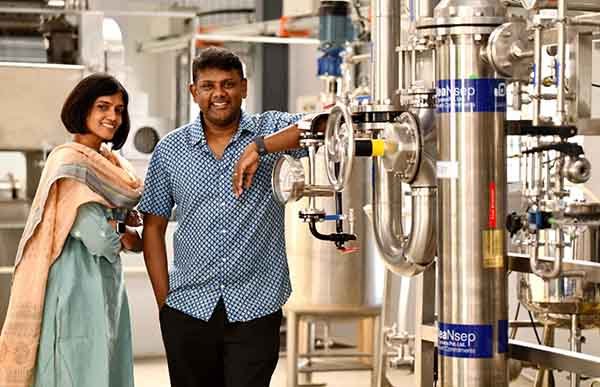
Founded in 2013 by Dr. Ezhil Subbian and Dr. Vinod Kumar, String Bio is developing a biological approach that transforms methane into useful products rather than allowing the gas to escape into the atmosphere or burning it through flaring. The company’s work represents a potential intersection between climate technology, biotechnology and the future of animal agriculture.
Turning Methane Into a Valuable Feed Ingredient
Methane is a potent greenhouse gas released through several industrial and biological processes. While the livestock sector is itself a source of methane emissions, oil and gas operations, landfills and waste-processing facilities also generate substantial quantities of the gas. Capturing suitable methane streams and converting them into useful materials could create additional pathways for reducing emissions.
String Bio’s approach uses microorganisms that consume methane as their carbon and energy source. Through controlled fermentation, these microbes produce biomass that can be processed into protein-rich ingredients. This process offers an alternative to conventional protein production, which often depends on agricultural land, freshwater and other resource-intensive inputs.
The company’s proprietary String Integrated Methane Platform, known as SIMP, forms the foundation of this technology. Its applications include alternative proteins for animal nutrition, aquaculture and other potential markets.
Implications for the Dairy Industry
Feed is one of the most significant operating costs for dairy farms, and the availability and price of protein-rich ingredients directly affect farm profitability. Soybean meal and other conventional protein sources are widely used in livestock diets, including rations for dairy cattle. Their production, however, can be associated with land-use pressures, water consumption, transportation costs and exposure to fluctuating commodity prices.
Methane-derived microbial protein could provide an additional ingredient option for the broader livestock feed sector. If developed for dairy cattle and shown to deliver consistent nutritional performance, it could help diversify protein supplies and reduce dependence on selected conventional feed ingredients.
For dairy producers, the potential value would depend on several factors: protein digestibility, amino acid composition, rumen compatibility, palatability, safety and cost per unit of usable protein. Researchers would also need to establish appropriate inclusion rates and assess how the ingredient affects milk yield, milk composition, feed conversion and animal health.
Importantly, a protein ingredient developed for poultry or aquaculture cannot automatically be considered suitable for dairy cattle. Ruminants have distinct digestive systems, so dairy-specific nutritional validation would be essential before commercial adoption.
Supporting More Sustainable Dairy Supply Chains
String Bio’s technology could contribute to sustainability efforts across the dairy value chain if its production system can capture methane that would otherwise be released and manufacture feed ingredients with a lower overall environmental footprint.
A reliable alternative protein supply could potentially reduce pressure on land-intensive feed crops. However, the environmental benefits would depend on the source of methane, energy requirements for fermentation, processing methods, transportation and the emissions associated with the complete production cycle.
For dairy companies pursuing climate targets, alternative feed ingredients may become part of a broader strategy that includes improved manure management, efficient feeding practices, better animal health and reduced resource waste. Methane-derived protein would complement these measures rather than eliminate the need to address enteric methane from cattle.
String Bio is also developing agricultural inputs and biostimulants intended to support crop productivity and plant resilience. Such products could have indirect relevance to dairy farming by supporting the agricultural systems that supply fodder and other feed crops, subject to field performance and commercial validation.
Funding and Commercial Development
String Bio has attracted investment from energy and venture capital stakeholders, including Woodside Energy, Ankur Capital and Dare Ventures, alongside other reported investors. Its development of gas fermentation technology reflects growing interest in converting industrial emissions and underutilised resources into higher-value products.
The company has pursued industrial pilot and demonstration-scale production, with ambitions to expand commercial supply across markets including India, Southeast Asia and the United States. Scaling the technology economically and consistently will be crucial to its long-term prospects.
For the dairy industry, the next major milestone would be demonstrating that methane-derived protein can meet livestock-feed requirements at a commercially competitive price. Regulatory approvals, transparent product specifications, independent feeding trials and clear life-cycle assessments would also be important.
The Road Ahead for Dairy Feed Innovation
String Bio illustrates how synthetic biology could reshape the way protein ingredients are produced. By turning methane into microbial biomass, the company is exploring a pathway that connects emissions management with feed security.
The technology is not yet a proven replacement for conventional dairy feed ingredients, and its suitability for cattle requires specific evidence. Nevertheless, successful development could expand the options available to feed manufacturers, dairy cooperatives and livestock producers seeking resilient and potentially lower-impact supply chains.
As demand for milk and dairy products continues to grow, innovations that improve feed security while reducing environmental pressure will remain important. Methane-derived protein could become one component of that transition if nutritional performance, safety, economics and environmental benefits are demonstrated at commercial scale.