🌡️ UK Heatwave Slashes Milk Production as Dairy Farmers Face Mounting Cost Pressures
A prolonged summer heatwave across the United Kingdom and mainland Europe has significantly disrupted dairy production, reducing British milk output by an estimated 18.5 million litres in recent weeks. The sharp decline has driven spot milk prices close to 50p per litre, raising concerns over higher food prices and increasing pressure on dairy supply chains.
Despite stronger market prices, many dairy farmers say they are not benefiting financially due to fixed milk procurement contracts that fail to reflect rising production costs.
🥛 Heatwave Reduces Milk Output
According to the Agriculture and Horticulture Development Board (AHDB), Great Britain’s milk production declined by 3.1% year-on-year in June, with July expected to record an even larger drop.
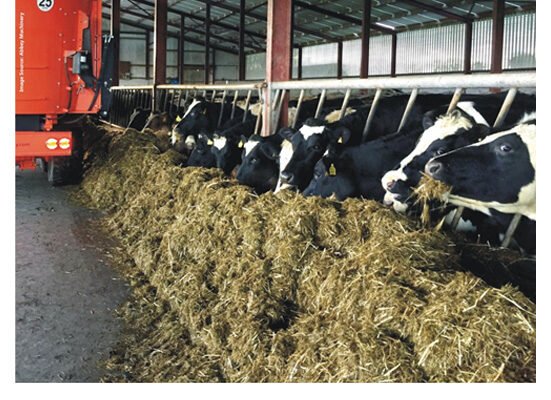
Extreme temperatures and prolonged drought have severely affected pasture growth, forcing farmers to rely on winter forage and costly supplementary feed months earlier than usual.
🌾 Rising Feed Costs Add Pressure
The lack of quality grazing has increased production costs as farmers purchase additional feed to maintain herd health and milk yields.
Industry representatives warn that the combination of reduced grass availability and expensive feed is placing severe financial pressure on dairy businesses.
💷 Farmgate Prices Lag Behind Market Rates
While spot milk prices are approaching 50p per litre, many farmers supplying processors under long-term contracts continue receiving considerably lower prices.
The National Farmers Union (NFU) has expressed concern over the widening gap between market prices and farmgate payments, arguing that producers are not receiving fair returns despite tightening milk supplies.
Several processors have announced price increases:
- 🥛 Arla increased its August milk price to 38.15p per litre.
- 📈 Müller, Barber’s Cheesemakers, and First Milk have confirmed further price rises from September.
However, farming organisations believe these increases remain insufficient to offset rapidly rising production costs.
🌍 Climate Risks Highlight Industry Challenges
The UK dairy situation highlights the growing impact of climate change on milk production and farm profitability.
Industry experts note that flexible pricing systems, improved feed management and climate-resilient farming practices will become increasingly important as extreme weather events become more frequent.
📈 Consumers May Face Higher Dairy Prices
With milk production under pressure and feed costs rising, retailers could experience higher procurement costs in the coming months.
If drought conditions continue, analysts warn that dairy products and other agricultural commodities may experience additional price inflation heading into winter.