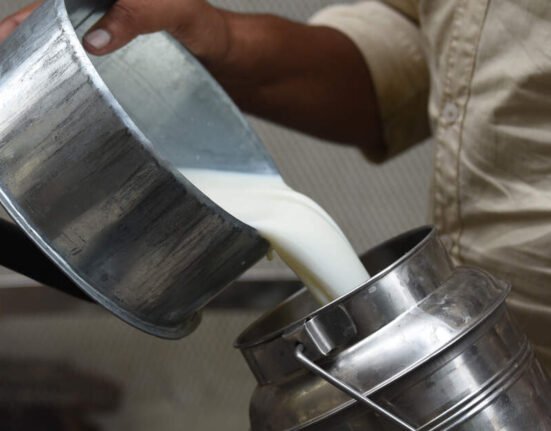
India’s dairy industry has undergone a remarkable transformation over the past several decades, evolving from a fragmented milk production system into one of the world’s largest dairy economies. At the centre of this transformation was Dr Verghese Kurien, whose cooperative-based approach empowered millions of milk producers and helped establish the foundation of India’s White Revolution.
Kurien believed that dairy farmers should have greater control over the collection, processing and marketing of their milk rather than depending entirely on private intermediaries. His vision was built around a simple principle: when farmers organise themselves into cooperatives, they can collectively strengthen their bargaining power, participate in organised markets and retain a greater share of the value generated from their produce.
The success of this approach in Anand, Gujarat, eventually became a model for dairy development across India.
The Anand Model: Putting Farmers at the Centre
The origins of Kurien’s cooperative movement can be traced to Anand, where dairy producers faced challenges in marketing their milk and securing fair returns. The existing system often left small producers dependent on intermediaries, limiting their influence over pricing and market access.
The cooperative model offered an alternative. Farmers could become members of collectively managed institutions responsible for milk procurement, processing and marketing. This created a more organised connection between village-level milk producers and urban consumers.
The Anand cooperative movement demonstrated that small-scale dairy farmers could participate in large commercial markets when supported by effective institutions, processing infrastructure and professional management.
This approach also helped establish a system in which producers had a stake in the organisations handling their milk, strengthening their participation in the wider dairy value chain.
From Anand to the White Revolution
The success of the Anand model encouraged efforts to expand cooperative dairying across the country.
In 1965, the Government of India established the National Dairy Development Board (NDDB), with Verghese Kurien serving as its first chairman. The organisation was established to extend the cooperative approach and strengthen India’s dairy development infrastructure.
A major milestone followed in 1970 with the launch of Operation Flood. The programme sought to connect milk-producing regions with major urban consumption centres through organised procurement, processing, storage and distribution networks.
Operation Flood expanded dairy cooperatives, improved access to organised markets and supported the development of infrastructure required to handle increasing milk volumes. It also aimed to reduce the country’s dependence on imported milk products while improving the availability of milk for consumers.
The programme became the foundation of India’s White Revolution, transforming the structure and scale of the national dairy industry.
India’s Dairy Growth Reflects the Cooperative Legacy
The expansion of India’s dairy sector highlights the scale of the transformation initiated through cooperative development.
According to government data, India’s milk production reached 247.87 million tonnes in 2024–25, compared with 146.31 million tonnes in 2014–15. This represents an increase of approximately 69.4% over the decade.
Per-capita milk availability also increased from 319 grams per day in 2014–15 to 485 grams per day in 2024–25. These figures reflect the expansion of domestic milk production and the growing availability of dairy products across the country.
Dairying also remains an important source of rural livelihoods. Government estimates indicate that approximately 8.5 crore rural households depend on dairy-related activities. Women account for nearly 70% of India’s dairy farming workforce, highlighting their significant contribution to milk production and rural agricultural economies.
These developments demonstrate that dairy cooperatives have played an important role in connecting small producers with organised markets and supporting the expansion of India’s dairy economy.
Why Kurien’s Vision Remains Relevant
Although India’s dairy industry has expanded significantly, the principles behind Kurien’s cooperative model remain relevant to its future development.
Small and marginal dairy farmers continue to require reliable milk procurement systems, transparent payment mechanisms, access to veterinary services, improved animal nutrition and modern processing infrastructure.
Cooperative institutions can help address these requirements by pooling resources, improving access to markets and supporting investments that individual farmers may struggle to undertake independently.
The sector is also experiencing new challenges involving productivity, climate resilience, animal health, technology adoption and changing consumer demand. Strengthening producer institutions and improving the efficiency of dairy value chains will remain important as the industry continues to evolve.
Verghese Kurien’s contribution therefore extends beyond increasing milk production. His cooperative vision established a framework through which millions of farmers could participate in organised dairy markets and become stakeholders in the institutions responsible for processing and marketing their milk.
From Anand to Operation Flood and the growth of India’s modern dairy economy, this approach reshaped the relationship between farmers, markets and the dairy industry. Its influence continues to be reflected in India’s position as a major global milk producer.