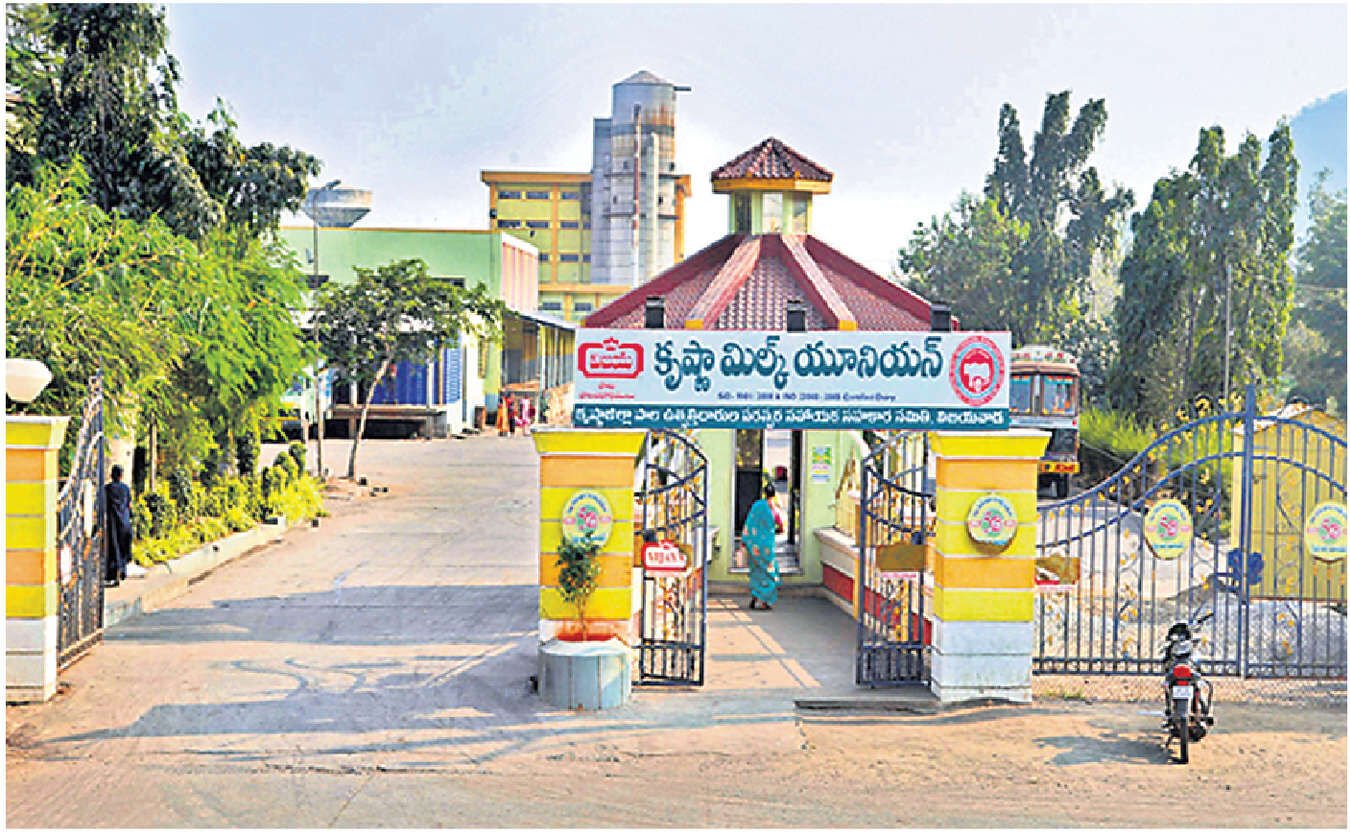
The Krishna District Milk Producers Mutually Aided Cooperative Union, commercially known as Vijaya Dairy, has raised retail milk prices by ₹2 per litre across all liquid milk variants, effective from the first week of April 2026. The Vijayawada-headquartered cooperative attributed the revision to a sharp increase in procurement costs, rising packaging material expenses, and higher transportation overheads.
The move comes just days after Vijaya Dairy increased the price it pays farmers at the first point of collection. Buffalo milk at 10% fat is now being procured at ₹85 per litre, up from ₹82. Cow milk procurement has moved from ₹29 to ₹31 per litre. The retail pass-through is partial; a ₹3/litre increase in procurement costs for buffalo milk translates into only ₹2/litre at the consumer end, indicating the cooperative is absorbing a portion of the cost escalation to limit sticker shock for price-sensitive urban buyers.
Revised Retail Price Grid (April 2026)
| Variant | 1 Litre (₹) | 500 ml (₹) |
|---|---|---|
| Vijaya Low Fat (DTM) | 56 | 28 |
| Vijaya Economy (DM) | 60 | 30 |
| Vijaya Premium (Standardised) | 64 | 32 |
| Vijaya Special (Full Cream) | 74 | 37 |
Note: Tiny (mini) packets, curd, and other milk-product prices remain unchanged at the time of this announcement.
Sangam Dairy Moves in Parallel
Vijaya Dairy is not acting alone. Sangam Dairy, the Guntur-based producer cooperative with annual revenues exceeding ₹2,000 crore, has also implemented a ₹ 2-per-litre retail hike on the same timeline. Sangam had already revised its procurement grid in March, with buffalo milk fat rates moving to ₹840/kg butterfat in Guntur district and cow milk rising to ₹310/litre in its core Guntur milkshed, with marginally lower rates in Godavari (₹830/₹301) and Nellore (₹820).
The synchronised pricing action by the two largest AP cooperatives signals that this is not a one-off event but a structural adjustment being driven by common input-cost pressures across the state’s dairy supply chain.
What’s Driving the Hike
The immediate trigger is the summer lean season, which brings a familiar squeeze on both sides of the cooperative balance sheet. Feed costs — particularly DORB (de-oiled rice bran) and compound cattle feed tend to spike between March and June as green fodder availability declines. Simultaneously, milk yields per animal drop in the heat belt across coastal and Rayalaseema AP, reducing the volume base over which fixed costs can be spread.
Andhra Pradesh cooperatives have been under margin pressure for several quarters. Vijaya Dairy in particular has a structural cost disadvantage: it pays among the highest procurement rates in the southern region to retain its farmer base, while competing against private players who source milk from Karnataka and Maharashtra at ₹27–32/litre and sell into AP at aggressive retail price points. This procurement-premium model sustains farmer loyalty but compresses the union’s operating margin to razor-thin levels.
Industry Read-Through
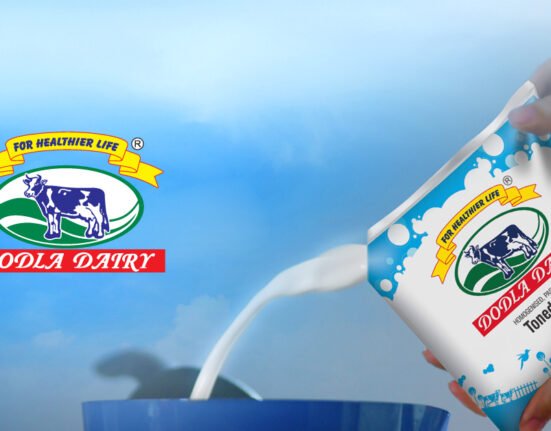
For private-sector processors and national brands operating in Andhra Pradesh, the Vijaya–Sangam dual hike provides a pricing umbrella. When the dominant cooperative raises MRP, it creates headroom for rival brands, Heritage, Dodla, Creamline (Godrej), Tirumala (Lactalis), to either hold price and gain share, or pass through their own cost increases under the cover of a cooperative-led reset. Historically, the private sector has followed within 2–4 weeks.
For the broader Indian dairy market, the AP price revision mirrors similar moves across states. Madhya Pradesh saw loose milk prices jump ₹2–4/litre from April 1, with Indore market rates moving to ₹63/litre. The pattern is consistent: summer input cost pressures, combined with a post-March procurement realignment, are forcing a nationwide MRP recalibration in the liquid milk segment.
Lean Season Outlook
As procurement volumes tighten through Q1 FY27 (April–June), expect cooperatives and processors to accelerate their push into value-added products, curd, flavoured milk, buttermilk, and ghee, where unit margins are less sensitive to the raw milk cost escalation. Vijaya Dairy has so far kept curd prices unchanged, a deliberate strategy to protect volume share in the fast-growing fermented dairy category even as liquid milk absorbs the MRP revision.
The broader question for the AP dairy ecosystem remains structural: can cooperatives sustain a procurement-premium model that pays farmers ₹85/litre for buffalo milk while the organised private sector undercuts on retail? The answer likely lies in product diversification and brand equity areas where Vijaya and Sangam still command significant consumer trust.