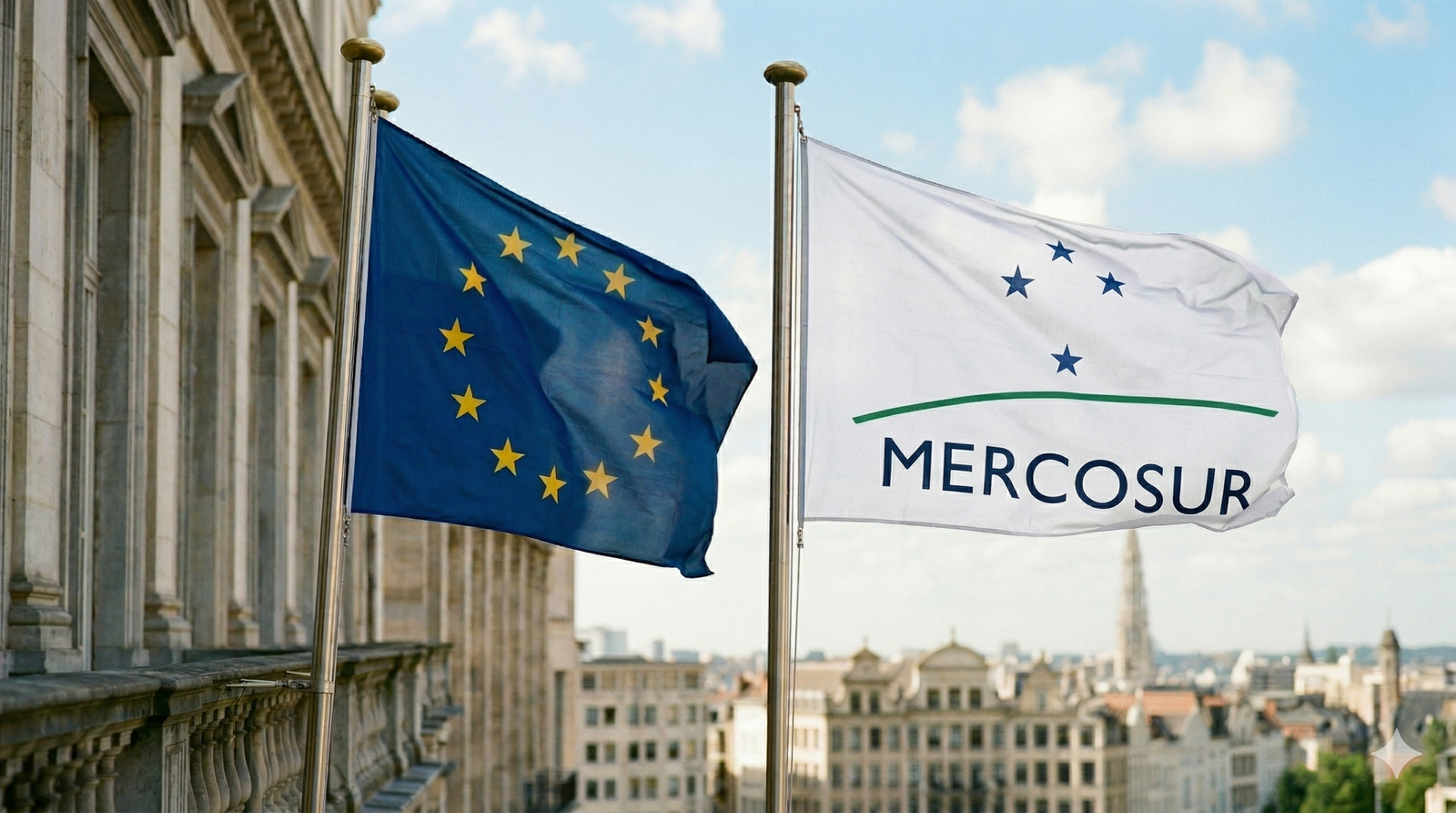
The long-contested trade agreement between the European Union and the Mercosur bloc (Argentina, Brazil, Paraguay, and Uruguay) has reached a critical milestone, signalling a seismic shift in global agricultural liquidity. By dismantling long-standing tariff barriers, the deal establishes a massive free-trade zone that seeks to integrate European processing sophistication with South American production scale. While the agreement promises to streamline supply chains and lower consumer costs, it simultaneously exposes European dairy farmers to a new wave of low-cost competition, prompting a defensive stance among EU agricultural unions concerned about diverging regulatory standards and price suppression.
Strategic Market Integration
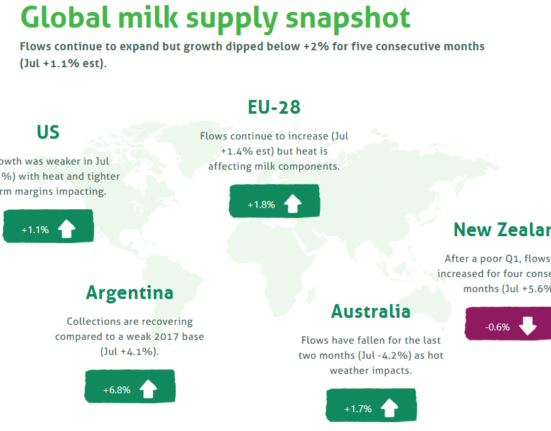
The core of the agreement focuses on the phased reduction or total elimination of duties on high-value dairy commodities. For European heavyweights like Ireland, France, and Germany, the deal opens a gateway into South American markets where a growing middle class is driving demand for premium cheeses, infant formula, and specialised dairy ingredients. Conversely, Mercosur nations—led by Uruguay and Argentina, the region’s export engines—stand to gain a foothold in the European market for bulk powders and industrial-grade dairy fats. This exchange is expected to force a recalibration of global procurement strategies as processors move to hedge against regional price volatility.
The Indian Perspective: Competitive Ripple Effects
While India is not a direct signatory, the EU-Mercosur pact carries significant weight for the Indian dairy ecosystem. India remains the world’s largest milk producer, yet its export footprint is often limited by high domestic consumption and stringent phytosanitary barriers in the West. As European and South American giants consolidate their trade routes, Indian exporters may find the global “skimmed” ed milk powder (SM) and “fat” markets increasingly crowded. However, this consolidation also provides a strategic blueprint; as the EU pushes for stricter environmental and animal welfare standards within these treaties, Indian cooperatives like Amul and Mother Dairy may face pressure to accelerate their ESG (Environmental, Social, and Governance) compliance to remain competitive in third-party markets like Southeast Asia and the Middle East.
Implications for Processors and Investors
For dairy processors, the deal necessitates an immediate audit of supply chain resilience. The influx of South American products into Europe could lower input costs for secondary processors (chocolate, bakery, and prepared foods) but will likely squeeze the margins of primary liquid milk producers. Investors should look toward logistics and cold-chain infrastructure as the primary beneficiaries of increased cross-continental trade. Furthermore, the officials’ focus on “production standards” suggests that Geographic Indication (GI) protections will be a major point of contention, potentially limiting how Mercosur producers label “European-style cheeses.”
Forward-Looking Insight
The success of the EU-Mercosur deal hinges on the “Leve” Playing Field” clause. If European regulators successfully enforce high sustainability standards on South American imports, the “gree” premium” wil” become the new global benchmark. For the industry at large, the era of protected domestic bubbles is ending. The future belongs to dairy players who can marry low-cost production with high-standard certification, creating a hybrid model of efficiency and transparency that transcends borders.