Lactalis Leerdammer has increased its milk price for October deliveries as dairy processors across the Netherlands face tighter raw milk availability and stronger competition for supplies. The development reflects broader price strength in the northwestern European dairy market, where seasonal declines in milk production and animal health challenges are affecting supply.
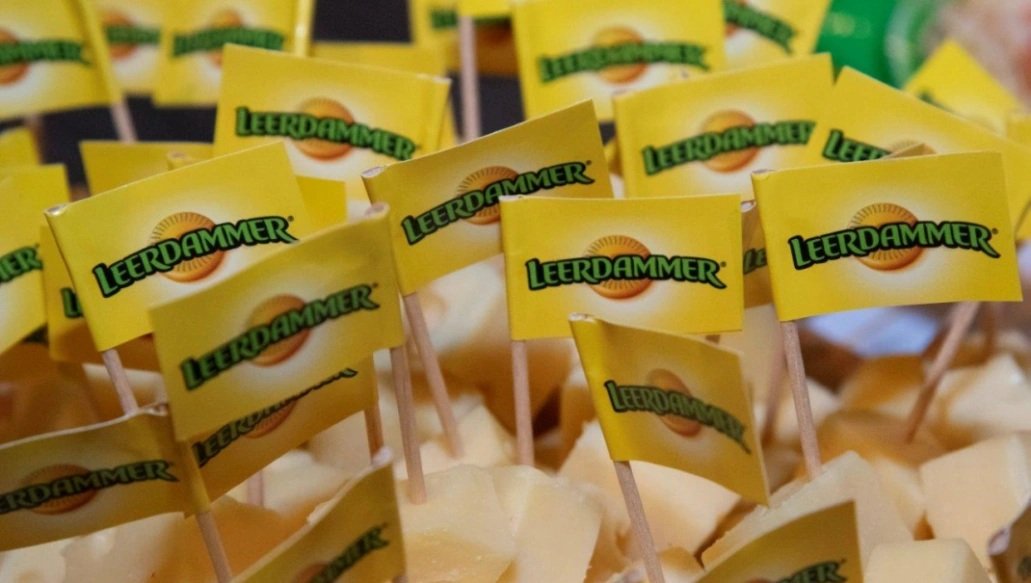
Leerdammer, part of the Lactalis Group, operates specialised cheese manufacturing facilities in Schoonrewoerd and Dalfsen. The plants process milk into Leerdammer semi-hard cheese, while also handling whey streams generated during cheesemaking.
Tight Milk Supply Supports Higher Farmgate Prices
The latest price increase comes amid increasingly limited physical milk availability across the Dutch dairy sector. Autumn seasonal declines in lactation have reduced milk volumes available to processors, while regional animal health challenges, including the impact of bluetongue virus serotype 3, have added pressure in some areas.
With less milk available on the spot market, competition has increased between cheese manufacturers, fresh dairy processors and butter producers.
The tighter supply environment has contributed to higher farmgate milk prices. Royal FrieslandCampina, another major Dutch dairy processor, has raised its guaranteed farmgate milk price to €45.50 per 100 kilograms for October. Including maximum sustainability and grazing supplements, the figure can reach €49.21 per 100 kilograms.
For processors such as Leerdammer, maintaining relationships with milk suppliers is increasingly important as companies compete to secure reliable raw material volumes.
Cheese Production Depends on Consistent Milk Quality
Leerdammer’s production facilities in Schoonrewoerd and Dalfsen require consistent supplies of high-solids milk to maintain cheese production efficiency.
Cheesemaking at industrial scale depends on carefully managing the fat-to-protein composition of incoming milk. Maintaining the appropriate balance is important for achieving the characteristic flavour, texture and eye formation associated with Leerdammer cheese.
Stable milk supplies also allow plants to maintain production schedules and optimise capacity utilisation. Higher utilisation can help processors spread fixed operating costs across larger production volumes and maintain efficiency during seasonal changes in milk availability.
The company also processes whey generated during cheesemaking. Liquid sweet whey can be further processed into products such as demineralised whey powders and protein concentrates, allowing processors to extract additional value from milk components.
Higher Farmgate Prices Reflect Competition for Milk
Increasing the price paid to farmers represents an additional cost for processors, but maintaining competitive procurement prices can help protect long-term milk supply relationships.
In a tighter supply environment, processors that fail to remain competitive could risk losing suppliers to other dairy companies offering stronger farmgate returns. For specialised cheese manufacturers, securing sufficient milk is particularly important because branded consumer products can provide greater protection from commodity-market fluctuations.
Natural cheese prices and historically strong butterfat markets have provided support for dairy processing margins, helping processors absorb higher procurement costs while maintaining commercial viability.
The ability to secure contracted milk volumes also provides greater certainty for production planning. Reliable supply allows plant managers to optimise cheese-vat utilisation, manage labour and energy requirements and schedule downstream whey processing more effectively.
Dutch Dairy Market Faces Seasonal Supply Pressure
The developments highlight the importance of milk supply management in Europe’s highly competitive dairy sector.
As autumn progresses, seasonal milk production patterns are reducing available supplies in parts of Western Europe. At the same time, processors continue to compete for milk across cheese, butter, fresh dairy and milk-powder markets.
For Leerdammer, maintaining reliable raw milk inflows will remain important for meeting forward delivery commitments to retail customers across Western Europe. Stable production also allows the company to manage inventories and maintain efficient use of its manufacturing assets.
Higher farmgate prices are therefore not only a reflection of current market conditions but also an important factor in securing future milk supplies.
The combination of tighter raw milk availability, strong dairy commodity markets and competition between processors is likely to keep procurement economics in focus for Dutch dairy companies. For specialised cheese manufacturers, balancing higher milk costs with branded-product revenues, plant utilisation and by-product recovery will remain central to maintaining processing efficiency and profitability.