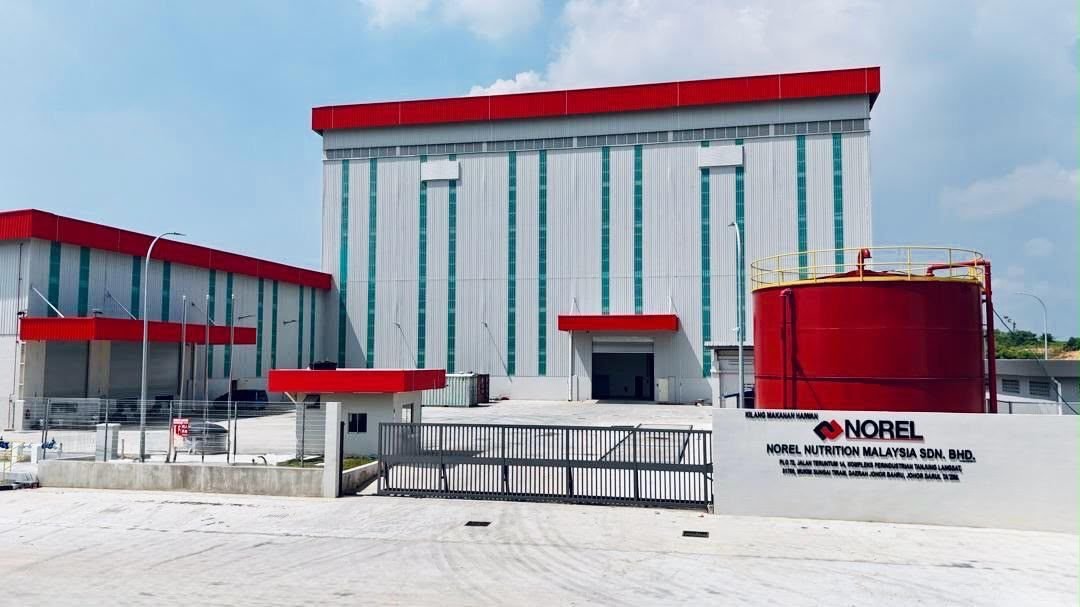
Norel, a global animal nutrition company, has opened a new production facility in Johor, Malaysia, strengthening its manufacturing presence in the Asia-Pacific region. With an annual production capacity of 10,000 tonnes, the plant is designed to improve regional product availability and support livestock, aquaculture and pet food producers through locally manufactured feed additives.
The investment reflects Norel’s strategy of bringing production closer to customers while reinforcing its international supply chain. Operating under the principle of “Produced in Asia, for Asia,” the facility will serve as a regional manufacturing hub for several categories of animal nutrition products.
The development is relevant to the dairy industry because feed quality, animal health and production efficiency are important factors influencing milk productivity and farm profitability.
New Facility Targets Multiple Animal Production Sectors
The Johor plant features four production lines serving the poultry, swine, ruminant, aquaculture and pet food industries. Its 10,000-tonne annual capacity expands Norel’s ability to supply specialised nutritional solutions to customers across Asia-Pacific.
The facility will manufacture several categories of products, including gut health additives and feed quality solutions. These products are intended to support animal nutrition, feed preservation and production performance across different farming systems.
Key products include:
- Sodium butyrate: Used in animal nutrition programmes to support intestinal health and digestive function.
- Medium-chain fatty acids (MCFAs): Incorporated into feed formulations for their nutritional and functional properties.
- Essential oils: Used in selected feed applications to support gut health and feed management strategies.
- Antioxidants: Help protect feed ingredients and formulations against oxidative deterioration.
- Mould inhibitors: Help control mould development during feed storage and handling.
- Mycotoxin binders: Used in feed management programmes to reduce the effects of certain mycotoxins.
- Pellet binders, flavours and sweeteners: Support feed manufacturing quality, physical consistency and palatability.
The availability of these products within the region could help feed manufacturers and livestock producers access specialised solutions through a more locally positioned supply network.
Relevance for Dairy Farmers and Feed Manufacturers
Ruminant nutrition is one of the sectors served by the new facility. For dairy producers, feed quality and balanced nutrition directly influence milk production, animal health and the efficiency with which feed is converted into milk.
Feed additives may form part of wider nutritional strategies designed to support rumen function, digestive health and feed quality. However, their effectiveness depends on the specific product, inclusion rate, animal requirements, ration composition and farm management practices.
Preserving feed quality is also important in tropical and humid climates, where moisture and storage conditions can increase the risk of mould growth and feed deterioration. Appropriate feed storage, ingredient testing and mycotoxin management can help protect ration quality and reduce potential risks to animal performance.
The Malaysian plant could improve access to these types of feed management solutions for regional customers. Nevertheless, the actual benefits for dairy farms will depend on product suitability, local distribution, pricing and technical support.
FAMI-QS Certification Supports Feed Safety Standards
Norel reported that the new plant has obtained FAMI-QS certification, an important component of its approach to feed safety and quality assurance.
For animal nutrition manufacturers, recognised quality management and feed safety systems can help strengthen operational consistency, product traceability and confidence among customers and distributors.
Certification is particularly relevant for specialised feed additives, where product integrity, manufacturing controls and reliable specifications matter throughout the supply chain.
The certification also supports Norel’s effort to align its regional production operations with established international feed safety expectations.
Strengthening Regional Supply Chains Across Asia-Pacific
The Johor facility will support Norel’s commercial operations in Singapore and the Philippines while expanding product availability in markets including Japan, Indonesia, Australia and New Zealand.
Local manufacturing may help the company position inventory closer to customers and reduce its dependence on shipping products over longer international routes. It could also improve coordination between production teams, distributors and customers requiring technical assistance.
For feed manufacturers, more accessible supplies of specialised additives may provide additional sourcing options. However, the extent of any improvements in delivery times or costs will depend on logistics arrangements, demand, import requirements and distribution networks.
The investment also complements Norel’s existing international manufacturing network, which includes facilities in Spain, the United States, Mexico, Egypt and India, alongside the new Malaysian site.
A Broader Investment in Regional Animal Nutrition
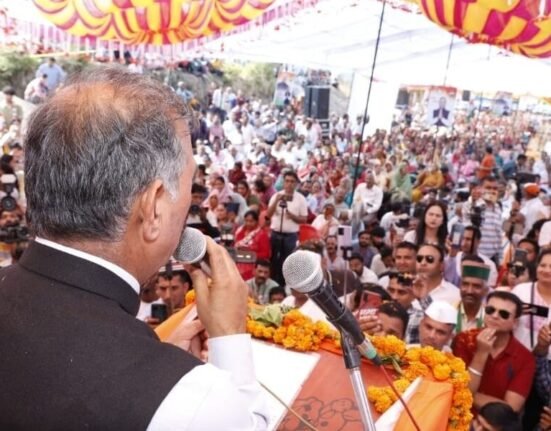
At the opening ceremony, Norel CEO Francisco Moral thanked the company’s customers, partners, distributors and employees for contributing to its expansion. Rafael Calvo Pablos, the company’s general manager, highlighted the value of working more closely with customers and distributors across Asia.
The new facility represents a broader shift towards regionalised manufacturing in the animal nutrition sector. By producing specialised additives closer to key markets, suppliers can seek to improve market responsiveness while maintaining consistent manufacturing and quality standards.
For Asia-Pacific’s dairy and livestock industries, access to feed additives is one part of a wider productivity challenge involving feed costs, animal health, farm management and supply chain resilience.
Norel’s Malaysian plant strengthens its regional manufacturing footprint, with its long-term significance depending on how effectively the additional capacity translates into reliable supplies, competitive products and practical nutritional solutions for producers.