Nigeria is seeking lessons from Uganda’s dairy sector growth to improve cattle productivity, strengthen milk processing and achieve its target of producing 1.4 million tonnes of milk annually by 2030.
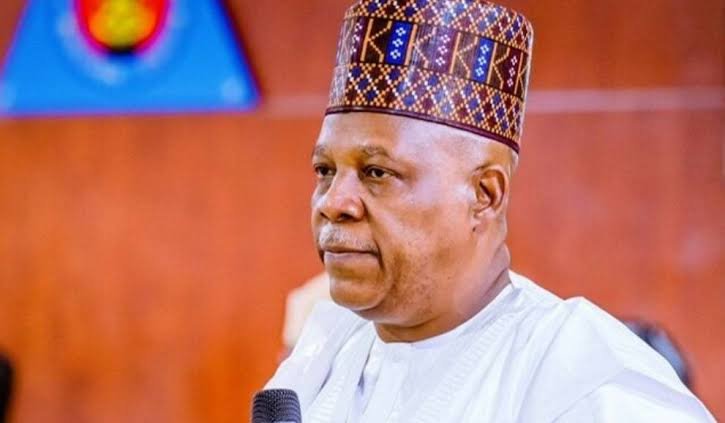
Nigeria has opened discussions with Uganda to strengthen cooperation in livestock productivity, animal health and dairy processing as the country seeks to expand domestic milk production and reduce its reliance on imported dairy products. The discussions took place on October 15, when Nigeria’s Minister of Livestock Development, Idi Mukhtar Maiha, met Ugandan Ambassador Philip Odida to explore opportunities for collaboration between the two countries.
According to Nigeria’s Ministry of Livestock Development, the meeting focused on improving dairy cattle genetics, strengthening animal health services, developing more effective feeding systems and expanding milk processing capacity. The initiative reflects Nigeria’s broader efforts to modernise its livestock industry and establish a stronger domestic dairy value chain.
Uganda’s Dairy Growth Offers Lessons for Nigeria
Uganda’s recent dairy sector performance has attracted attention as Nigeria looks for practical ways to improve production and processing. According to data compiled by Uganda’s Ministry of Agriculture, national milk production increased from 2.7 billion litres in 2020 to 5.4 billion litres in 2024, effectively doubling in four years.
The country’s dairy export earnings also recorded significant growth, rising from US$102.6 million in 2022 to US$285.4 million in 2024. Milk powder and ultra-high-temperature (UHT) milk are among Uganda’s principal dairy export products.
These developments highlight the importance of combining primary milk production with processing infrastructure and access to regional markets. Increased processing capacity enables dairy businesses to transform raw milk into products with different storage requirements and commercial applications, potentially reducing losses and widening distribution opportunities.
For Nigeria, Uganda’s experience could provide insights into building a more commercially developed dairy industry. However, the effectiveness of adopting similar approaches will depend on local production systems, investment availability, feed resources and infrastructure.
Nigeria Targets 1.4 Million Tonnes of Milk Annually
In June 2025, Nigeria announced plans to double domestic milk production to 1.4 million tonnes annually by 2030, with support from private investors.
Achieving this target will require improvements across several stages of the dairy value chain. These include better-performing cattle breeds, balanced animal nutrition, reliable veterinary services, improved reproductive management and stronger milk collection networks.
Feed availability remains particularly important because inadequate nutrition can limit milk yields, weaken animal health and reduce reproductive performance. Investment in suitable feed production, fodder cultivation and efficient feeding practices could help farmers improve productivity.
Genetic improvement is another priority. Appropriate breeding programmes can help develop cattle with better milk production potential while retaining the ability to perform under local climatic and management conditions. Such programmes need to account for animal health, heat tolerance, feed availability and the resources accessible to farmers.
Dairy Processing and Value Addition
The discussions between Nigeria and Uganda also covered opportunities to strengthen dairy processing and develop value-added products. Private-sector representatives reportedly expressed interest in converting surplus milk powder into other products for regional markets.
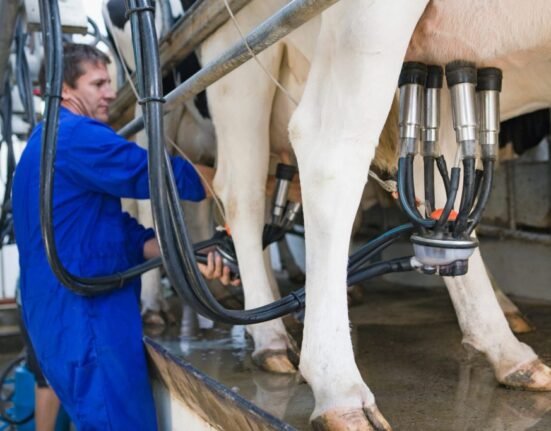
Processing can play a crucial role in connecting dairy farms with consumers and commercial buyers. Products such as milk powder and UHT milk offer longer storage periods than fresh milk when manufactured, packaged and handled correctly.
For Nigeria, expanding processing capacity could create new opportunities for dairy businesses, improve market access and support the development of a more organised milk supply chain. However, processors need consistent raw milk supplies, reliable electricity, appropriate food safety systems and effective distribution networks to operate competitively.
Collaboration between local producers, processors, technology providers and investors will therefore be important in developing sustainable processing operations.
Learning from Kenya’s Dairy Industry
Nigeria’s engagement with Uganda follows a study visit to Kenya by the Commercial Dairy Ranchers Association of Nigeria (CODARAN) in September. The delegation examined Kenyan approaches to dairy productivity, regulation, milk quality control and marketing.
Kenya and Uganda offer different experiences in developing dairy production and commercial markets. Studying both countries could help Nigerian stakeholders identify practices that can be adapted to their own farming systems and regional conditions.
Earlier discussions in August between Nigeria’s Ministry of Livestock Development and the Nigeria-Uganda Chamber of Commerce also addressed technology transfer, livestock genetics and more efficient animal feeding systems.
Together, these initiatives indicate growing interest in regional knowledge-sharing and investment to strengthen Africa’s livestock and dairy industries.
Opportunities and Challenges Ahead
Nigeria’s dairy development ambitions face several practical challenges, including fragmented milk supply chains, limited access to improved cattle genetics, inconsistent feed availability, animal health risks and gaps in processing infrastructure.
Addressing these issues will require coordinated action by governments, farmers, processors, research institutions and private investors. Training, accessible veterinary services, improved farm management and investment in milk collection and cooling facilities will also be important.
Uganda’s production and export growth demonstrates the potential benefits of developing both dairy farming and processing. Nevertheless, results will depend on how effectively Nigeria adapts relevant practices to its own agricultural conditions.
Outlook for Africa’s Dairy Industry
The Nigeria-Uganda discussions represent a broader opportunity for African countries to strengthen regional cooperation in livestock development, dairy technology and value-added processing.
By learning from neighbouring markets and encouraging investment across the dairy value chain, Nigeria aims to improve domestic production and move closer to its 2030 target.
The long-term success of this effort will depend on sustainable productivity improvements, reliable infrastructure, animal health management and commercially viable processing systems. If these priorities are addressed, stronger regional cooperation could help support dairy farmers, expand local milk supplies and improve the competitiveness of Africa’s dairy industry.