The Union of Farmers of Castile and León (UCCL) has urged the regional government of Castile and León in Spain to urgently update its official dairy farming production cost report, warning that outdated economic benchmarks are weakening farmers’ negotiating positions with milk processors. The organisation argues that the existing figures no longer reflect the actual financial pressures facing dairy producers in 2026, particularly as farmgate milk prices decline while feed, energy and other agricultural input costs continue to increase.
The current report, prepared with contributions from the University of Valladolid (UVa) and the Technical University of Madrid (UPM), contains production cost data only up to February 2025. It estimated the average annual production cost for 2024 at €46.71 per 100 kilograms of solids-corrected milk (SCM), while the estimate for January and February 2025 stood at €45.73 per 100 kilograms of SCM.
UCCL believes these benchmarks have become increasingly disconnected from current farm operating conditions. The organisation is therefore requesting that the regional Department of Agriculture publish updated figures for the current production year and introduce continuous monitoring of dairy production costs. According to the farmers’ association, regularly updated indicators are essential for ensuring transparency, supporting contract negotiations and providing greater legal certainty throughout the dairy supply chain.
Falling Milk Prices and Rising Input Costs Intensify Pressure on Dairy Farms
The financial situation of dairy producers in Castile and León has become increasingly challenging during 2026. According to UCCL, the average milk price received by producers has declined by 14% compared with the beginning of the year. At the same time, several essential farm inputs have recorded substantial price increases, further reducing producer profitability.
The organisation reports that feed prices have increased by 6%, while alfalfa prices have risen by 10%. Straw has experienced an even sharper increase of 52%. Additional increases include 16% for vetch, 22% for diesel and 20% for electricity.
These developments are creating a difficult operating environment for dairy farms, where feed procurement, livestock maintenance, transportation and energy consumption represent significant components of overall production expenditure.
According to UCCL’s estimates, average dairy farm production costs have already exceeded €0.50 per kilogram of milk and continue to rise. The combination of declining milk procurement prices and increasing input expenses is placing considerable pressure on farm margins, threatening the financial sustainability of smaller and medium-sized dairy operations.
The organisation maintains that milk purchase prices must remain above production costs to ensure that farmers can maintain viable businesses and continue supplying raw milk to processors.
Dairy Farm Cost Transparency and Fair Contract Negotiations
A central concern raised by UCCL is the imbalance in negotiating power between dairy farmers and processing companies. Producers frequently depend on processors to purchase their milk, making reliable production cost benchmarks particularly important when negotiating supply contracts.
The organisation argues that without regularly updated official indicators, farmers lack the technical evidence needed to challenge inadequate milk purchase prices or demonstrate increases in production expenditure.
UCCL’s dairy farming representative, David Alonso Pérez, has emphasised the importance of transparent cost calculations in ensuring fair commercial relationships across the dairy industry.
The association also points to Spain’s food supply chain legislation, which establishes the principle that every participant in the supply chain should sell products at prices above their respective production or operating costs. Agriculture Minister Luis Planas has reiterated this principle during discussions in Congress.
However, UCCL believes implementation remains insufficient and has criticised authorities for failing to provide effective solutions to ensure compliance. It argues that legal protections are less effective when farmers do not have access to updated and reliable economic information.
Castile and León’s Dairy Farming Structure and Producer Concerns
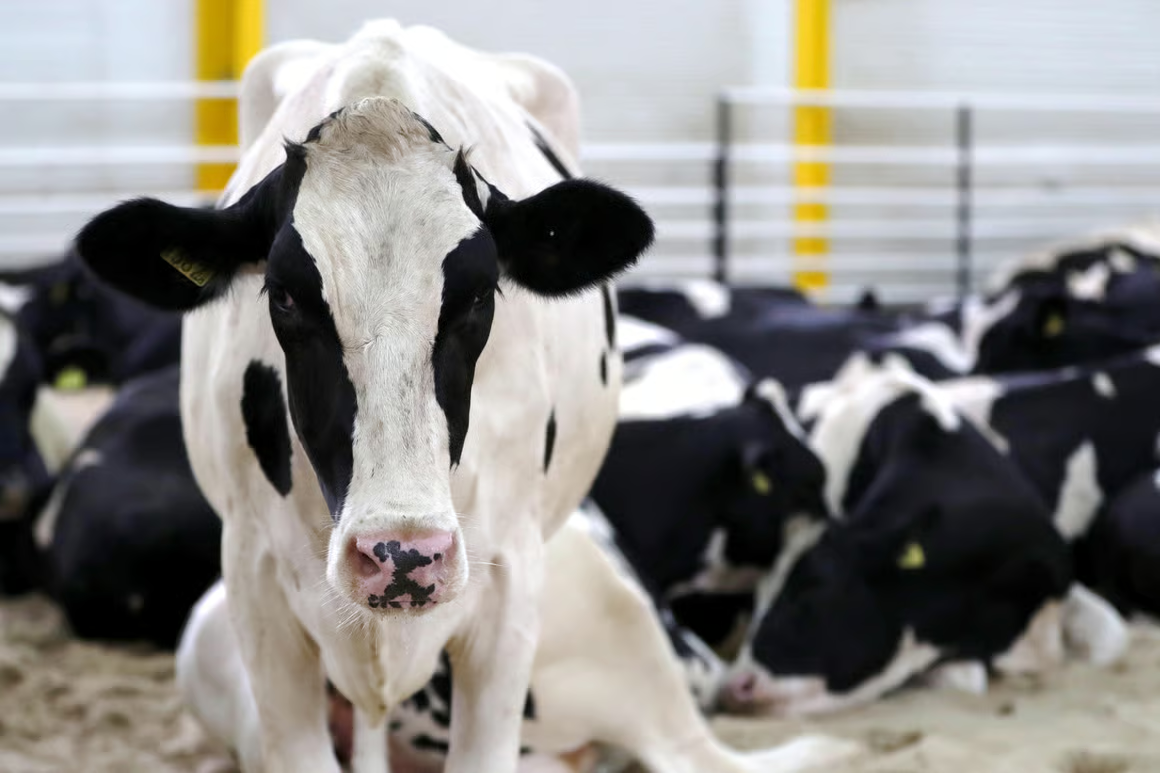
Castile and León remains an important dairy-producing region in Spain, although the number of active dairy cattle farms has declined significantly. According to UCCL, approximately 600 dairy cattle farms remain in the region.
The geographical distribution highlights the concentration of dairy farming activity in several provinces.
| Province | Share of dairy farms |
|---|---|
| León | 26% |
| Palencia | 19% |
| Ávila | 13% |
| Zamora | 13% |
| Other provinces | 29% |
The declining number of dairy farms raises broader concerns about regional milk production capacity, rural employment and the long-term sustainability of the dairy supply chain.
To support its demands, UCCL has announced a tractor demonstration in Madrid scheduled for Wednesday, 28 October 2026, as part of its wider campaign for improved agricultural policies and stronger producer protections.
Promoting Spanish Dairy Consumption and Supporting Local Producers
Alongside its policy demands, UCCL is encouraging consumers to purchase whole cow’s milk and locally sourced Spanish dairy products. The organisation believes stronger domestic demand for Spanish dairy products can help support local producers and reinforce the regional dairy economy.
David Alonso Pérez has highlighted the nutritional value of whole milk, including its natural protein content and contribution to a balanced diet. He has also referred to scientific research suggesting that regular consumption of full-fat dairy products does not necessarily increase cardiovascular risk.
For the Spanish dairy industry, the current situation highlights the importance of balancing consumer demand, farm production economics and fair distribution of value across the supply chain.
UCCL’s demand for updated production cost indicators reflects a broader challenge facing European dairy farmers: maintaining farm profitability while managing volatile milk prices and rising operating expenses. Timely cost assessments, transparent contracts and effective implementation of food supply chain regulations could play an important role in protecting dairy producers and ensuring the long-term resilience of Spain’s dairy sector.