The African livestock industry needs stronger attention to feed safety, antibiotic reduction and improved animal nutrition to support healthier animals and safer dairy and other animal-derived foods, according to Michael Nyarko, Area Manager for West Africa at Biochem Zusatztoffe Handels.
Speaking at VIV Africa 2026, held at the Kigali Convention Centre in Rwanda from October 7–8, Nyarko highlighted the importance of improving practices across the feed-to-food value chain. The event brings together stakeholders from the poultry, dairy, livestock and agriculture industries across Sub-Saharan Africa.
Nyarko said VIV Africa provides an opportunity for companies such as Biochem to engage with customers and industry representatives from different African markets, understand local challenges and strengthen regional networks.
Feed Safety Gains Importance Across Dairy Production
For the dairy industry, feed quality and safety are particularly important because the nutritional and health status of dairy animals directly influences milk production, animal welfare and the quality of dairy products entering the food chain.
Nyarko stressed that the safety of animal feed should be considered part of the broader food-safety system. Dairy farmers depend on feed ingredients, additives and nutritional supplements to maintain healthy animals and support efficient milk production. However, unsafe or unsuitable feed can create risks that extend beyond the farm.
“What you are giving to your animal, let it be safe for humans,” Nyarko said, emphasizing the connection between animal nutrition and food consumed by people.
The principle is especially relevant to dairy production because milk and other dairy products ultimately enter the human food chain. Maintaining safe feeding practices can therefore contribute to both animal health and consumer protection.
Biochem Highlights Antibiotic Reduction Strategies
One of the key areas highlighted by Biochem at the exhibition is the development of alternatives that can help livestock producers reduce their dependence on antibiotics.
Nyarko said Biochem offers products designed to help manage pathogens without relying exclusively on antibiotics. This is becoming increasingly important as several markets introduce restrictions on antibiotic use and the livestock sector faces growing concerns over antimicrobial resistance.
For dairy farmers, reducing unnecessary antibiotic use can form part of responsible herd-health management, particularly when combined with good hygiene, vaccination, biosecurity and appropriate nutrition.
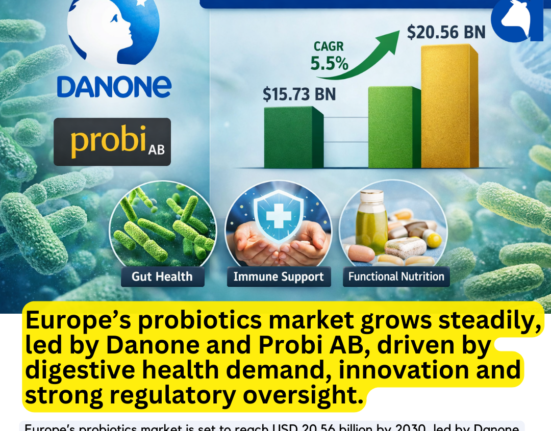
Biochem’s portfolio includes probiotics and prebiotics, which Nyarko identified as important components of its antibiotic-reduction approach. He said the company has around four decades of experience in these areas.
Probiotics and prebiotics can support digestive health and help maintain a more balanced gut environment. For dairy animals, effective digestive function is closely linked to feed utilization, animal performance and overall productivity.
Nutrition and Feed Efficiency Remain Key Priorities
Biochem also focuses on young-animal nutrition, immune stimulation and feed efficiency. These areas have relevance for dairy producers because the early nutritional development of calves can influence their future health, growth and productivity.
Nyarko compared the nutritional needs of young animals with those of children, explaining that animals at different stages of life require different nutritional support.
The company’s feed additives are intended to improve digestibility and animal performance. In dairy farming, better feed utilization can help producers obtain greater nutritional value from feed while supporting healthy growth and productive animals.
This becomes increasingly important as dairy producers face pressure to improve efficiency while managing feed costs and maintaining animal health.
Linking Animal Health With Consumer Safety
Nyarko said the discussion around livestock nutrition should not focus solely on productivity. Feed safety must also be considered from the perspective of consumers.
Animals eventually become part of the human food chain through products such as milk, meat and eggs. In dairy farming, this makes the quality of feed and nutritional inputs particularly important because the health of dairy animals and the safety of milk are closely interconnected.
The company therefore promotes an approach in which animal nutrition, pathogen management and food safety are considered together rather than as separate issues.
As Africa’s dairy industry continues to develop, greater attention to feed quality, responsible antibiotic use, digestive health and efficient nutrition could help producers improve animal performance while strengthening consumer confidence in dairy products.
VIV Africa 2026 provides a platform for these discussions, bringing together feed manufacturers, farmers, veterinarians, agribusinesses and other stakeholders working across Africa’s livestock and dairy value chains.