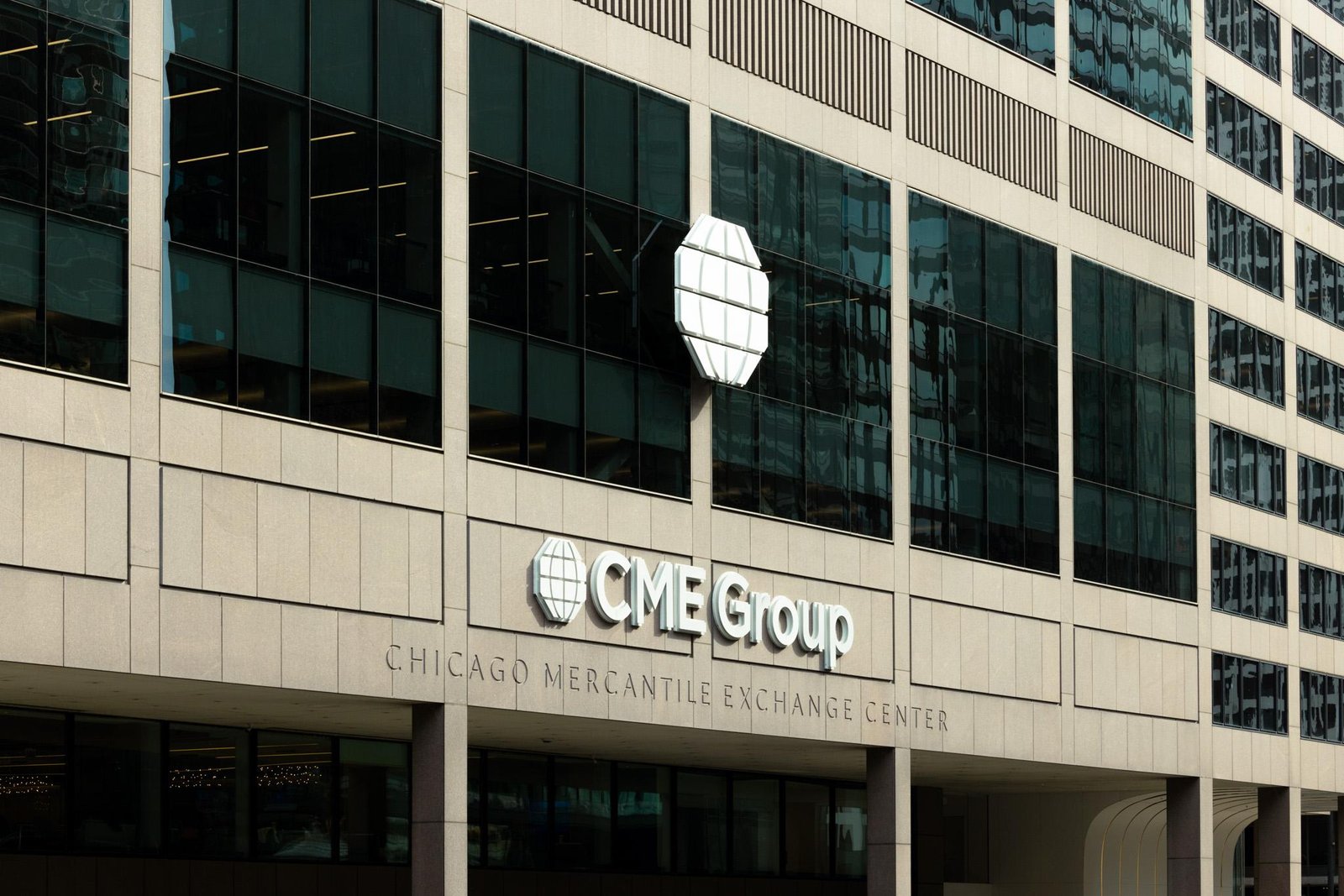
CME Group and the European Energy Exchange (EEX) have announced an agreement that will bring European dairy derivatives under CME Group’s planned product offering, marking the U.S. exchange operator’s entry into the European dairy derivatives market. EEX intends to phase out its dairy business and support the transfer of the indices underpinning its existing futures contracts before the end of 2027.
The agreement covers the European butter and skimmed milk powder indices that anchor EEX’s dairy futures complex. CME Group plans to launch its own European dairy indices, futures and options, although no specific launch date has been announced. The transaction remains subject to pending closing conditions.
Managed Transition for Existing Contracts
The transition is designed to maintain continuity for market participants. EEX dairy futures will remain available for their respective listed maturities during the handover period, with no immediate changes to the pan-European butter and WECI indices.
The WECI is EEX’s weekly index for the European skimmed milk powder market. EEX has committed to supporting the index transition through the end-of-2027 target, allowing existing market participants time to adapt to the new arrangement.
Tobias Paulun, CEO of EEX, described the move as part of the exchange’s renewed focus on core markets and related growth areas. He said CME Group would be a successor capable of building on the European dairy derivatives market developed by EEX and its customers.
CME Group Expands Its Dairy Franchise
For CME Group, the agreement represents an opportunity to extend its established U.S. dairy business into a major global market. Derek Sammann, Senior Managing Director and Global Head of Commodities Markets, said the European expansion would allow clients to access regional price-risk management through a single venue.
CME Group reported that U.S. dairy volumes have increased 73% over the past five years. The company also reported record dairy open interest of 434,071 contracts on September 1, 2026, highlighting the scale of its existing franchise.
Earlier in 2026, CME Group announced a previous dairy open-interest record of 403,113 contracts on February 27, alongside a record monthly average daily volume of 11,234 contracts in dairy futures and options for February. The company’s U.S. dairy suite includes milk, butter, cheese and whey futures and options, supported by centralized clearing through CME Clearing.
European Dairy Market Offers Hedging Potential
The European Union accounts for roughly 20% of global cow’s milk production and more than 30% of nonfat dry milk exports, according to USDA Foreign Agricultural Service figures cited in the joint announcement. The companies also characterized a significant portion of the European dairy market as remaining unhedged.
The transition could therefore create opportunities for producers, processors and consumers seeking to manage regional dairy price risk. By bringing European dairy products into CME Group’s broader derivatives offering, the exchange aims to provide a more integrated platform for market participants.
What the Transition Means for the Market
The agreement does not represent an immediate replacement of EEX dairy contracts. Instead, it establishes a managed handover, with existing contracts continuing during the transition and CME Group developing its own European dairy indices and derivatives.
Once the transition is completed, the European butter and skimmed milk powder benchmarks currently associated with EEX dairy futures are expected to underpin CME Group-listed contracts instead. The companies have not disclosed financial terms or interim milestones beyond the end-of-2027 target.
Outlook
CME Group’s entry into European dairy derivatives could strengthen competition and expand hedging options in a market where price volatility and exposure to global dairy trade remain important concerns. For EEX, the agreement supports a sharper focus on its energy-market activities and energy-transition objectives.
The success of the transition will depend on maintaining market continuity, ensuring reliable index development and attracting participation in the new European dairy products. With no immediate changes to existing contracts, the agreement provides a structured path toward a new chapter in European dairy risk management.