Liquid milk consumption across the European Union (EU) is projected to decline by 0.1% in 2027, reaching approximately 23.2 million tonnes, as changing consumer preferences and the growing popularity of plant-based alternatives continue to reshape the region’s dairy market.
According to the United States Department of Agriculture’s Foreign Agricultural Service (USDA FAS), the projected decline reflects a long-term structural shift in household consumption rather than broader economic or population-related changes. Although the pace of declining demand has slowed, conventional liquid milk continues to face challenges in maintaining its position in European consumers’ daily diets.
The changing consumption pattern is also influencing dairy processing strategies, with manufacturers increasingly focusing on cheese and other value-added products to manage raw milk supplies and respond to evolving market requirements.
Household Milk Consumption Continues to Face Structural Pressure
EU liquid milk consumption in 2026 is estimated at 23.22 million tonnes, representing a 0.3% decline compared with 2025. The forecast for 2027 indicates a further, although slower, contraction in demand.
The primary factor behind this trend is the gradual reduction in the volume of liquid milk purchased by individual households. Rather than being driven by declining population levels or wider economic difficulties, the change reflects evolving dietary habits and consumer preferences.
Plant-based beverages made from soy, oats and almonds are gaining visibility in European retail markets. Their growing availability has increased competition for conventional dairy milk, particularly among consumers exploring alternative beverage choices.
This shift is gradually changing the demand structure of the European dairy industry, creating additional challenges for milk processors and conventional dairy brands.
However, the continued presence of dairy products in other categories, including cheese, butter and fermented dairy products, demonstrates that declining liquid milk consumption does not necessarily translate into an equivalent reduction in overall dairy demand.
Falling Retail Milk Prices Fail to Reverse Consumption Decline
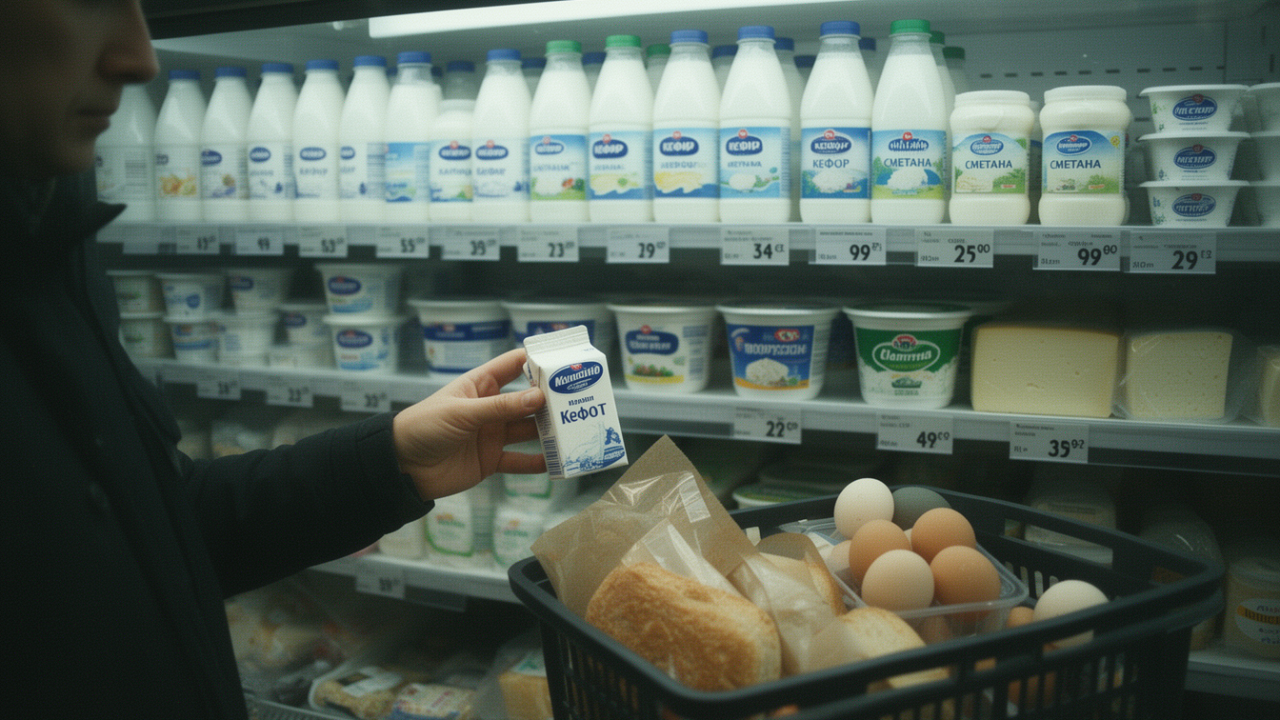
Price reductions have not been sufficient to encourage European consumers to increase their liquid milk purchases.
According to the reported USDA FAS figures, inflation in the EU dairy products category, which had increased through July 2025, moved into negative territory by August 2026, reaching -0.9%.
Whole milk prices declined by 2.2% over the same period, while plant-based beverage prices recorded a smaller reduction of 0.2%.
Reported retail price changes by August 2026
| Category | Price change |
|---|---|
| EU dairy product inflation | -0.9% |
| Whole milk prices | -2.2% |
| Plant-based beverage prices | -0.2% |
Despite the comparatively larger reduction in conventional milk prices, demand has continued to weaken.
This suggests that price competitiveness alone may not be sufficient to reverse the declining consumption trend. Consumer preferences, dietary choices and the availability of alternative beverages are becoming increasingly important factors influencing purchasing decisions.
For dairy companies, this creates a need to strengthen product differentiation, communicate nutritional benefits and explore new consumption occasions for conventional milk.
Dairy Processors Shift Focus Towards Cheese Production
The decline in liquid milk demand is also influencing industrial milk utilisation across the European Union.
According to USDA FAS projections, industrial utilisation of raw milk is expected to decrease by 0.1% in 2027, following an estimated increase of 1.6% in 2026.
With household demand for drinking milk remaining weak, processors are increasingly directing available raw milk towards products with longer shelf lives and stronger market opportunities.
Cheese production is expected to record the strongest growth among major industrial dairy categories, absorbing milk that might otherwise have been allocated to liquid milk processing.
This transition reflects the importance of product diversification in the European dairy processing industry. Cheese offers processors opportunities to develop specialised products, serve different consumer segments and manage milk supplies beyond the conventional liquid milk market.
The growing focus on cheese production also highlights how processors are adjusting their manufacturing strategies to maintain value from available raw milk amid changing consumption patterns.
Butter and Skimmed Milk Powder Face Inventory Pressures
In 2026, increased raw milk availability supported higher production of long-storage dairy products, particularly butter and skimmed milk powder (SMP).
These products play an important role in the European dairy supply chain because they allow processors to convert surplus milk into storable commodities that can be marketed over longer periods.
However, the increase in production has contributed to the accumulation of physical inventories.
The resulting stock buildup is expected to influence production decisions in 2027. Processors may reduce output of butter and SMP to manage existing warehouse inventories and avoid further supply accumulation.
This anticipated adjustment reflects the challenges of balancing raw milk availability, finished-product demand and storage capacity.
While higher milk supplies initially supported increased processing activity, the resulting inventory overhang could limit further production growth in these categories during the next cycle.
European Dairy Industry Faces a Changing Market Outlook
The projected decline in EU liquid milk consumption highlights a broader transformation in the European dairy industry.
Conventional milk continues to face competition from plant-based beverages, while processors are adapting their product portfolios towards cheese and other value-added categories.
At the same time, higher production of butter and skimmed milk powder in 2026 has created inventory-related challenges that could influence manufacturing decisions in 2027.
For dairy farmers, processors and industry stakeholders, these developments underline the importance of aligning milk production with changing market demand.
Going forward, the European dairy industry’s performance will depend on how effectively companies manage raw milk supplies, diversify their product portfolios and respond to evolving consumer preferences.
Although liquid milk demand is expected to remain under pressure, opportunities in cheese, specialised dairy products and other value-added categories could provide alternative growth avenues for European dairy businesses.