European Union milk production has recorded a modest uptick, underpinned by strong processing infrastructure and stable demand for value-added dairy products. Despite mounting cost pressures and tightening environmental regulations, the EU dairy sector remains resilient, maintaining a well-balanced supply chain.
Steady Production, Efficient Absorption
Latest dairy production news from the European Union indicates that milk output across the 27-member bloc has grown slightly over recent months. This measured increase follows a period of volatility driven by high input costs and regulatory uncertainty.
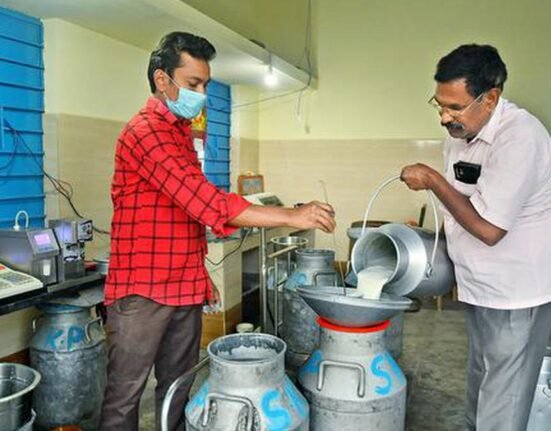
Notably, the bulk of the raw milk supply continues to be absorbed efficiently by dairy processors, especially in key markets such as Germany, France, the Netherlands, and Ireland. High processing utilisation reflects consistent demand for high-margin dairy products like cheese, butter, and milk powders, both within Europe and in global export markets.
Cheese and Value-Added Dairy Products Drive Volumes
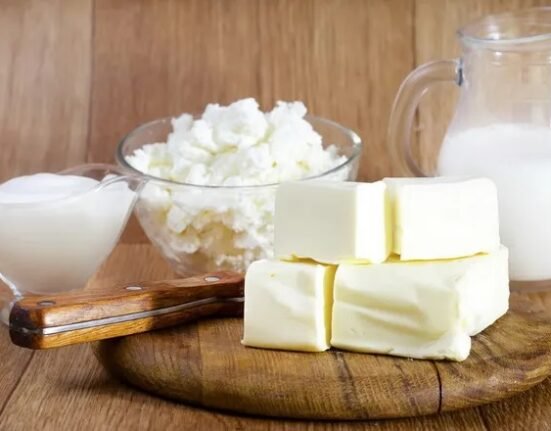
Cheese remains the dominant output category for EU dairies, reinforcing its role as a value stabiliser amid shifting consumer trends. The European dairy sector has effectively leveraged its value-added dairy products segment, helping to maintain processing margins despite rising costs.
Increased demand for European cheese in international markets, particularly in Asia and North America, has supported exports and cushioned the impact of stagnant or declining fluid milk consumption domestically.
Cost Pressures Limit Aggressive Expansion
Despite this modest production increase, EU dairy farmers continue to face high input costs, including feed, energy, and labour. Compliance with environmental regulations, such as the EU Green Deal and nitrate directives, has placed further constraints on expansion.
In climate-sensitive regions like southern Europe, adverse weather and water stress have further tempered production potential, leading to cautious herd management and restrained investment in herd growth or infrastructure.
Stability Over Growth in the Short Term
According to market analysts, EU milk production is expected to remain stable through early 2026, with limited upside unless favourable weather and price signals emerge. Processing capacity remains robust, and the current equilibrium between supply and demand has helped prevent the sharp declines observed in past periods.
This balance bodes well for both farmgate milk prices and processor margins, offering a rare moment of calm amid broader agricultural uncertainty.
Implications for Indian Dairy Stakeholders
For the Indian dairy industry, Europe’s cautious yet stable production growth offers important lessons:
- Processing infrastructure is critical to absorbing raw milk surpluses and supporting value creation.
- A focus on cheese and value-added products can provide price resilience, particularly in export-facing segments.
- As India pursues sustainable dairy farming, the EU’s experience in navigating regulatory and climate challenges may offer useful models.
India’s rapidly growing dairy sector, especially in states like Punjab, Gujarat, and Karnataka, can look to the EU’s balanced approach as it seeks to expand while maintaining market stability.