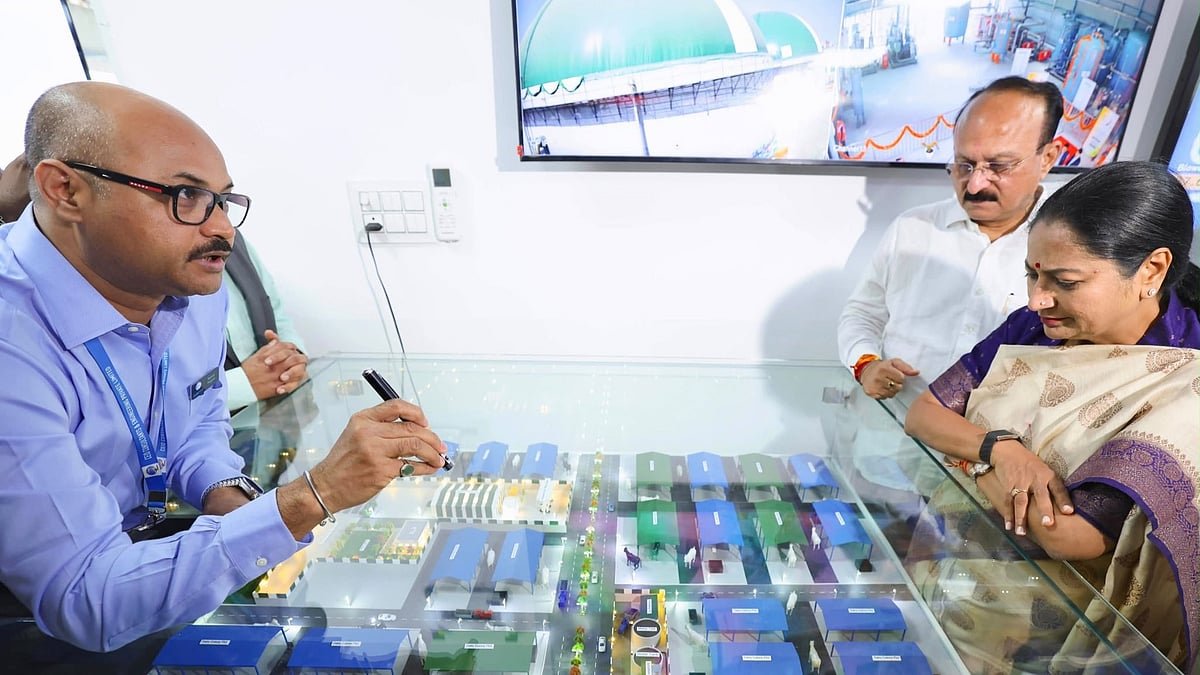
The ₹16-crore facility aims to convert cattle dung into clean fuel and organic fertiliser, improve sanitation and support livestock owners in Najafgarh.
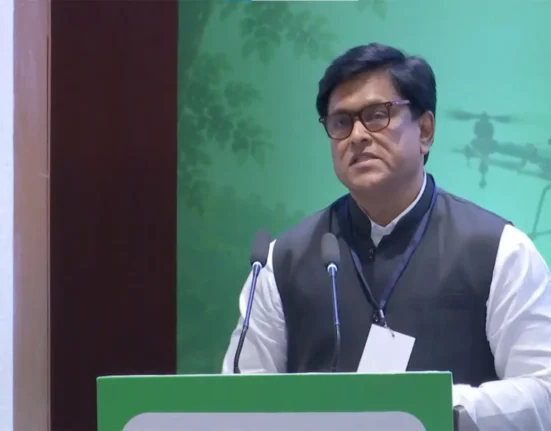
The Municipal Corporation of Delhi (MCD) has inaugurated a biogas plant with a processing capacity of 200 metric tonnes per day at Goyla Dairy in the Najafgarh area, marking a significant step towards sustainable waste management in Delhi’s dairy sector. Chief Minister Rekha Gupta inaugurated the facility on Monday, October 19, 2026, according to the supplied report, highlighting its potential to generate clean energy, improve sanitation and strengthen environmental protection.
Built at a cost of ₹16 crore, the plant is designed to support the scientific processing of cow dung, addressing a persistent waste management challenge in areas with concentrated livestock populations. The initiative also aims to prevent cattle waste from entering drains and eventually reaching the Yamuna River.
Converting Dairy Waste into Valuable Resources
Cattle dung is a major by-product of dairy farming and can create environmental and sanitation problems when it is not collected and processed appropriately. In densely populated dairy clusters, unmanaged dung can accumulate in open spaces, obstruct drainage systems and contribute to water pollution.
The new Goyla Dairy facility aims to address these challenges by converting cattle dung into biogas and organic fertiliser. Biogas can serve as a renewable energy source, while the resulting digestate, when properly treated and meeting applicable quality standards, can be used as an organic soil amendment.
This approach reflects the principles of a circular economy, in which agricultural waste is treated as a resource rather than a disposal problem. For the dairy industry, it offers a way to connect livestock management with renewable energy production and more responsible waste utilisation.
Preventing Pollution and Improving Sanitation
Chief Minister Rekha Gupta said the plant would help prevent cow dung from flowing into the Yamuna through drains while improving sanitation in the surrounding area.
The improper disposal of cattle waste can place additional pressure on urban drainage infrastructure and contribute to the pollution of local water bodies. Scientific collection, transportation and processing can help reduce these risks, particularly in dairy settlements where substantial quantities of dung are generated daily.
The facility’s planned processing capacity of 200 metric tonnes per day makes it a significant waste management intervention for the area. However, its environmental impact will depend on effective dung collection, reliable plant operations and the safe management of the material produced during processing.
Economic Opportunities for Livestock Owners
Beyond its environmental objectives, the project is expected to provide economic benefits to local livestock owners.
Organised cattle dung collection and processing systems can create opportunities for dairy farmers to participate in waste-to-value initiatives. Depending on the collection arrangements and payment mechanisms adopted, livestock owners may benefit from improved waste management services or additional income associated with dung utilisation.
For small dairy operators, waste handling can represent a practical challenge, particularly where farms operate within dense urban settlements. A coordinated processing facility could reduce disposal difficulties while helping integrate dairy activities into the city’s broader sanitation and resource management systems.
Gupta described the initiative as an example of converting waste into useful resources, with clean fuel production and organic fertiliser generation contributing to environmental protection and energy self-reliance.
Supporting Renewable Energy and Sustainable Dairy Farming
Biogas is produced when microorganisms break down organic material in oxygen-free conditions. Cattle dung is a commonly used feedstock because it contains biodegradable organic matter suitable for anaerobic digestion.
When captured and used appropriately, the resulting gas can provide energy for suitable applications and help reduce dependence on conventional fuels. The digestate can also retain nutrients that may be recovered for agricultural use, subject to appropriate treatment and quality controls.
For India’s dairy industry, such projects demonstrate how waste management can become part of a broader sustainability strategy. Dairy farms generate not only milk but also organic by-products that, if managed efficiently, can support renewable energy and nutrient recycling.
The success of these systems depends on technology selection, feedstock quality, operating efficiency, methane containment and the availability of reliable outlets for the resulting products.
Implications for India’s Dairy Sector
The Goyla Dairy project highlights the growing importance of integrating livestock management with urban environmental planning. As cities seek to improve waste handling and reduce pollution, dedicated facilities can help address the challenges associated with concentrated dairy farming.
The initiative may also provide a reference point for other urban dairy clusters seeking practical solutions for cattle waste management. Replicating the approach elsewhere would require suitable infrastructure, dependable dung collection networks, financial planning and coordination between municipal authorities and livestock owners.
For the dairy sector, the broader opportunity lies in treating manure management as an integral part of farm operations rather than an afterthought.
Outlook
With an investment of ₹16 crore and a stated capacity of 200 metric tonnes per day, the Goyla Dairy biogas plant represents a notable effort to link dairy waste management with clean energy production and improved sanitation.
Its long-term contribution will depend on how efficiently the facility operates, whether livestock owners can participate effectively and how successfully the plant’s outputs are utilised.
If implemented effectively, the project could help reduce waste-related pollution, support resource recovery and demonstrate how urban dairy systems can contribute to cleaner and more sustainable cities.