The Gujarat government has signed a tripartite Memorandum of Understanding (MoU) to strengthen the economic empowerment of rural women milk producers and promote sustainable dairy-based livelihoods across the state. Signed in Rajkot in the presence of Chief Minister Bhupendra Patel, the agreement brings together the Gujarat Livelihood Promotion Company Limited (GLPC), the Cooperation Department and the Animal Husbandry Department.
The initiative aims to connect women dairy farmers with institutional credit, veterinary services, dairy cooperatives, infrastructure and markets. By combining financial assistance with technical guidance and business development opportunities, the programme seeks to help rural women establish sustainable dairy enterprises and participate more actively in the dairy value chain.
Self-Help Groups to Strengthen Women’s Dairy Businesses
Under the agreement, women involved in village-level milk production will be linked with Self-Help Groups (SHGs) under the Deendayal Antyodaya Yojana–National Rural Livelihoods Mission (DAY-NRLM).
These women will gradually be organised into women’s dairy producer groups and, where appropriate, producer enterprises. Collective organisation can help dairy farmers improve access to resources, coordinate production activities and strengthen their bargaining position when purchasing inputs or selling milk.
The initiative also seeks to build stronger connections between women’s groups and established cooperative institutions. These partnerships could provide a foundation for expanding dairy activities, improving business management and creating more reliable income opportunities for rural households.
Institutional Credit to Support Livestock and Dairy Infrastructure
Access to finance is a major component of the MoU. Through SHG linkages and institutional banking arrangements, eligible women will receive assistance in accessing loans to purchase livestock and acquire essential dairy equipment and infrastructure.
Guidance on interest subsidies will also be provided, subject to applicable eligibility requirements and fund availability. Improved access to formal credit could help women expand their herds, strengthen milk production operations and reduce dependence on informal borrowing.
For rural dairy entrepreneurs, appropriate financing is particularly important because livestock purchases, feed, veterinary care and equipment require continuing investment. Better access to institutional support can help women plan their businesses more effectively and improve their ability to respond to market opportunities.
Scientific Animal Husbandry to Improve Milk Productivity
The Animal Husbandry Department will provide technical and scientific assistance aimed at improving livestock health, milk productivity and product quality.
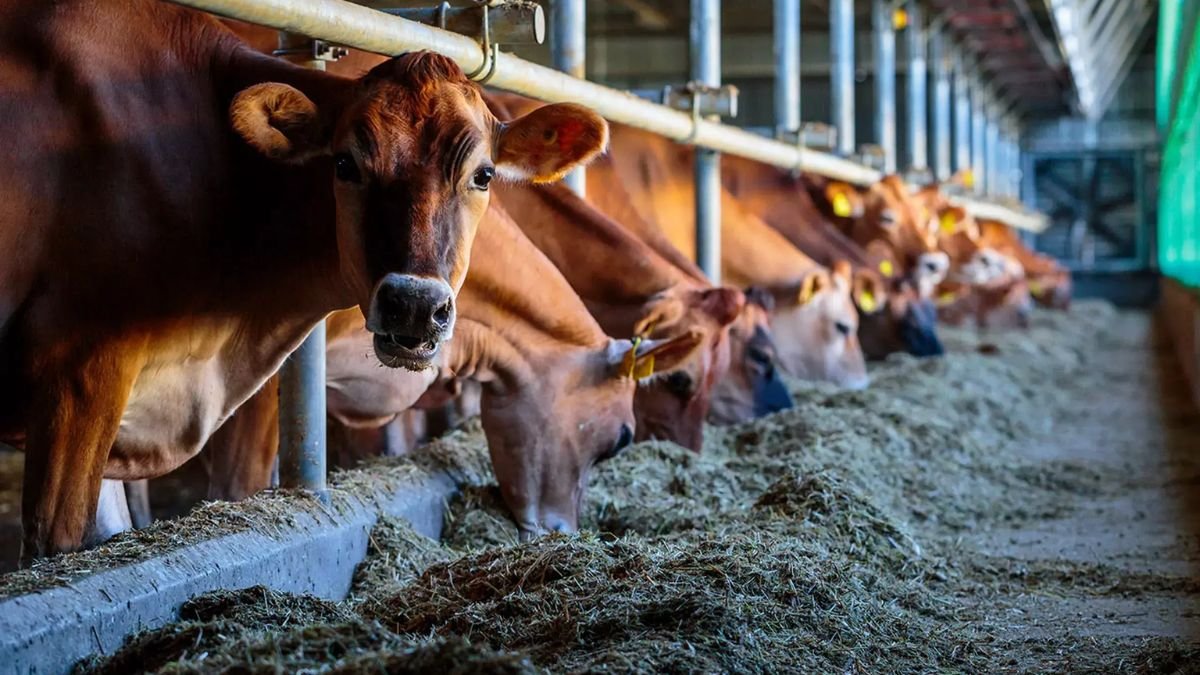
Support will cover balanced animal nutrition, vaccination, deworming, artificial insemination, breed improvement and veterinary healthcare. Women will also receive guidance on selecting suitable livestock and planning dairy-based livelihood activities.
These services are important for improving herd health and maintaining consistent milk production. Appropriate feeding, preventive healthcare and breeding practices can contribute to better animal productivity while helping farmers manage disease risks.
Combining technical services with financial assistance and collective organisation could enable participating women to adopt more systematic dairy management practices and strengthen the long-term viability of their enterprises.
Cooperatives to Expand Milk Collection and Market Access
The Cooperation Department will facilitate connections between women’s dairy producer groups, milk cooperative societies and district milk unions through Gujarat’s existing cooperative network.
GLPC will help identify eligible beneficiaries, guide women in accessing institutional credit and support the development of dairy producer groups. This coordinated approach is designed to connect rural women with established milk collection and marketing systems.
Access to cooperative networks can be particularly valuable for small-scale producers who may otherwise face difficulties finding dependable buyers, arranging milk transportation or negotiating favourable terms. Stronger links with dairy unions could help women participate more effectively in organised milk procurement.
Value-Added Dairy Products to Create Additional Income
The MoU also encourages women to move beyond milk production into higher-value activities across the dairy supply chain. Proposed opportunities include collective animal-feed procurement, milk collection, quality improvement, processing, packaging, branding and marketing.
Developing value-added products can create additional revenue opportunities by allowing producer groups to participate in activities beyond the sale of raw milk. Depending on local demand and available infrastructure, women-led enterprises could explore products such as curd, paneer, ghee and other dairy-based goods.
However, success will depend on product quality, food safety compliance, suitable processing facilities, reliable distribution and effective marketing. Access to these resources will be essential if women-led groups are to build commercially sustainable businesses.
Monitoring Mechanism to Coordinate Implementation
State-level and district-level coordination and monitoring committees will be established to oversee implementation. These committees will coordinate activities among the participating departments, review progress and monitor delivery of the agreed measures.
Agriculture, Animal Husbandry and Cooperation Minister Jitu Vaghani highlighted the importance of bringing SHGs, institutional credit and dairy cooperatives together to create opportunities for rural women entrepreneurs. He also emphasised scientific animal husbandry, improved animal healthcare and value addition as important elements of sustainable income growth.
The tripartite MoU represents a coordinated effort to strengthen women’s participation in Gujarat’s dairy industry. Its long-term impact will depend on effective implementation, access to finance and services, and the ability of women-led enterprises to establish reliable markets for milk and value-added products.