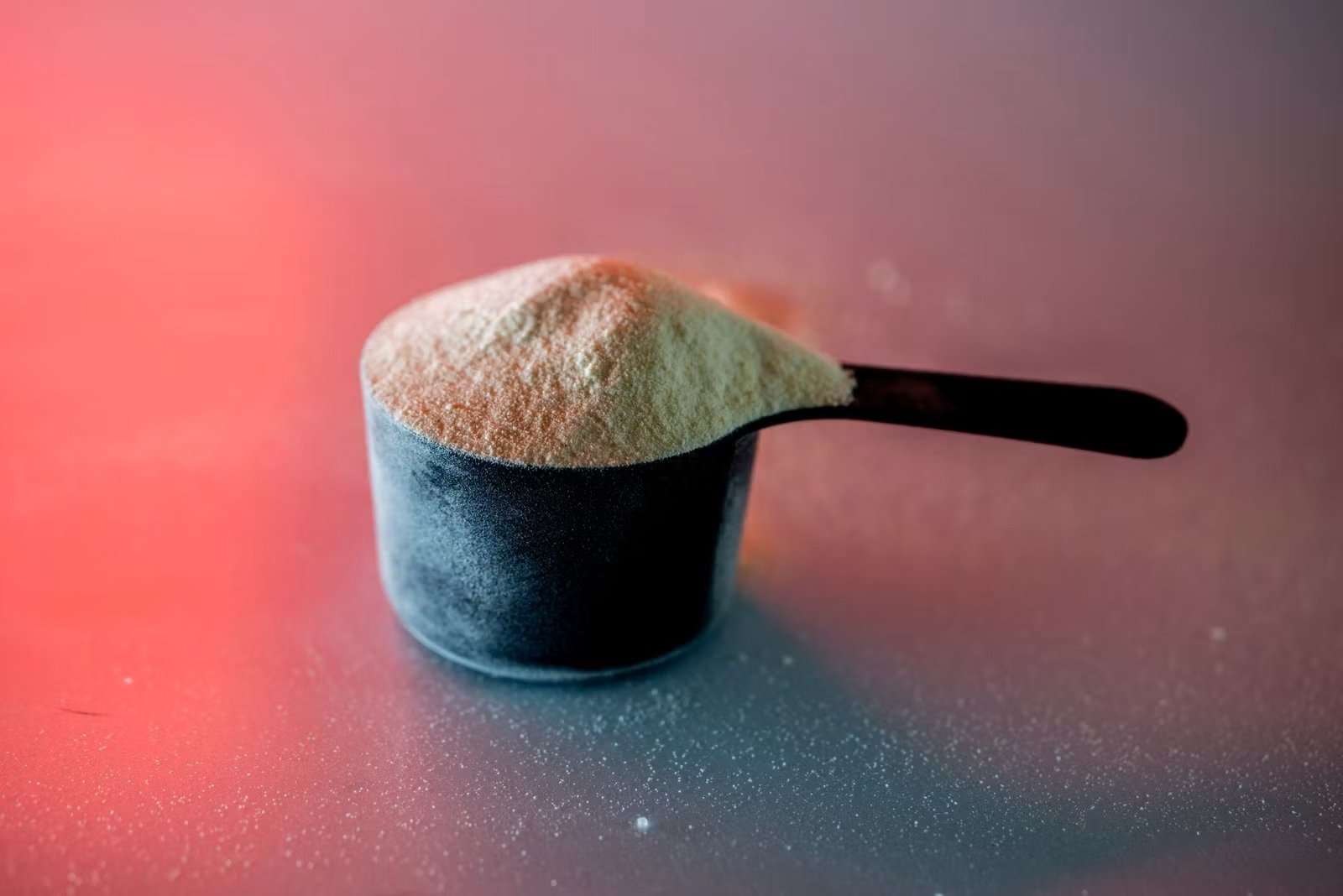
Ireland’s whole milk powder trade is gaining momentum as European dairy powder markets experience strong price growth and rising demand across key product categories.
Ireland has recorded a sharp increase in whole milk powder (WMP) shipments to other European Union markets, reflecting changing processing priorities and stronger demand across the European dairy sector.
The export growth comes amid a broader rally in European dairy powder prices during 2026, with skimmed milk powder (SMP) emerging as one of the key drivers. Strong international demand has helped European processors absorb increased milk supplies, supporting higher commodity prices.
European Dairy Powder Prices Rise Sharply
By early September, food-grade SMP prices had reached €3,205 per tonne, representing a 9.6% increase month-on-month and a substantial 44.4% rise compared with the previous year.
Feed-grade SMP prices stood at €3,225 per tonne, up 41.1% year-on-year.
The strength has extended beyond SMP. Sweet whey powder has also recorded significant annual gains, with food-grade prices increasing by 79% and feed-grade prices rising by 94.4%. Lactose prices were up 59% year-on-year.
| Product | Price/Change by Early September 2026 |
|---|---|
| Food-grade SMP | €3,205/tonne |
| Food-grade SMP YoY | +44.4% |
| Food-grade SMP MoM | +9.6% |
| Feed-grade SMP | €3,225/tonne |
| Feed-grade SMP YoY | +41.1% |
| Food-grade sweet whey powder YoY | +79% |
| Feed-grade sweet whey powder YoY | +94.4% |
| Lactose YoY | +59% |
Rising Milk Supplies Support Powder Production
The price increases have occurred alongside higher raw milk deliveries across continental Europe through July. The additional milk supply has provided processors with more raw material for drying and powder production.
Germany recorded a 6.4% increase in milk production to 20.16 million tonnes, while France’s output increased 2.2% to 14.66 million tonnes. Milk production also rose by 4.5% in the Netherlands and 3.1% in Poland.
Ireland followed a different trajectory, with milk collections remaining comparatively stable at 5.80 million tonnes, a marginal decline of 0.4%.
With milk supplies increasing across major continental producers, European processors increasingly directed available milk towards SMP production. EU SMP output subsequently increased 11.7% during the first half of 2026 to 865,019 tonnes.
Ireland itself recorded a 19.4% increase in SMP production during the period.
Trade Flows Show Changing Processing Priorities
The expansion in European powder production has also influenced trade flows. Intra-EU shipments of SMP increased 13.5% to 286,920 tonnes, while extra-EU exports rose 10.6% to 367,628 tonnes.
Belgium, Germany and France remained major contributors to extra-EU SMP exports.
At the same time, total EU production of non-SMP milk and cream powders declined 3.4%, highlighting the changing allocation of milk towards SMP and other powder categories.
Ireland’s WMP Trade Gains Momentum
Against this wider market backdrop, Ireland’s strong growth in WMP shipments stands out. The surge in intra-EU WMP trade suggests that Irish processors are increasingly serving European food manufacturing and processing markets.
The shift also reflects differences in regional dairy processing strategies. While continental Europe has significantly expanded SMP production to absorb increased milk availability, Ireland has seen particularly strong growth in WMP shipments.
The combination of strong European demand, elevated powder prices and changing processing priorities is reshaping dairy powder trade across the region.
For Irish dairy processors, stronger WMP shipments provide access to expanding European demand, while the wider powder market offers improved pricing conditions. However, continued changes in milk production, processing capacity and international demand will remain important factors influencing trade flows during the remainder of 2026.
Overall, Europe’s dairy powder market is experiencing a period of significant movement, with higher milk supplies, stronger powder prices and changing product mixes driving new patterns in production and trade.