New research has detected microplastic particles in both packaged and locally sourced raw cow milk in India, raising questions about plastic contamination across the dairy supply chain.
Milk is consumed widely across India, but recent research indicates that it may also represent a potential dietary exposure route for microplastics. A study published in the Journal of Food Composition and Analysis in September detected microplastics in commercially packaged and locally sourced raw cow milk samples.
Researchers identified 66 microplastic particles across nine samples, with concentrations ranging from three to 30 particles per litre. Most of the particles were identified as fibres or fragments.
Laboratory analysis found polyethylene and polypropylene among the dominant polymers. Both plastics are widely used in food packaging and other applications, although the presence of these polymers does not by itself establish the exact source of contamination.
Microplastics Found in Packaged and Raw Milk
The findings are consistent with earlier research examining microplastic contamination in milk. A January study published in Food and Chemical Toxicology analysed six commonly consumed packaged milk brands alongside farm-fresh milk.
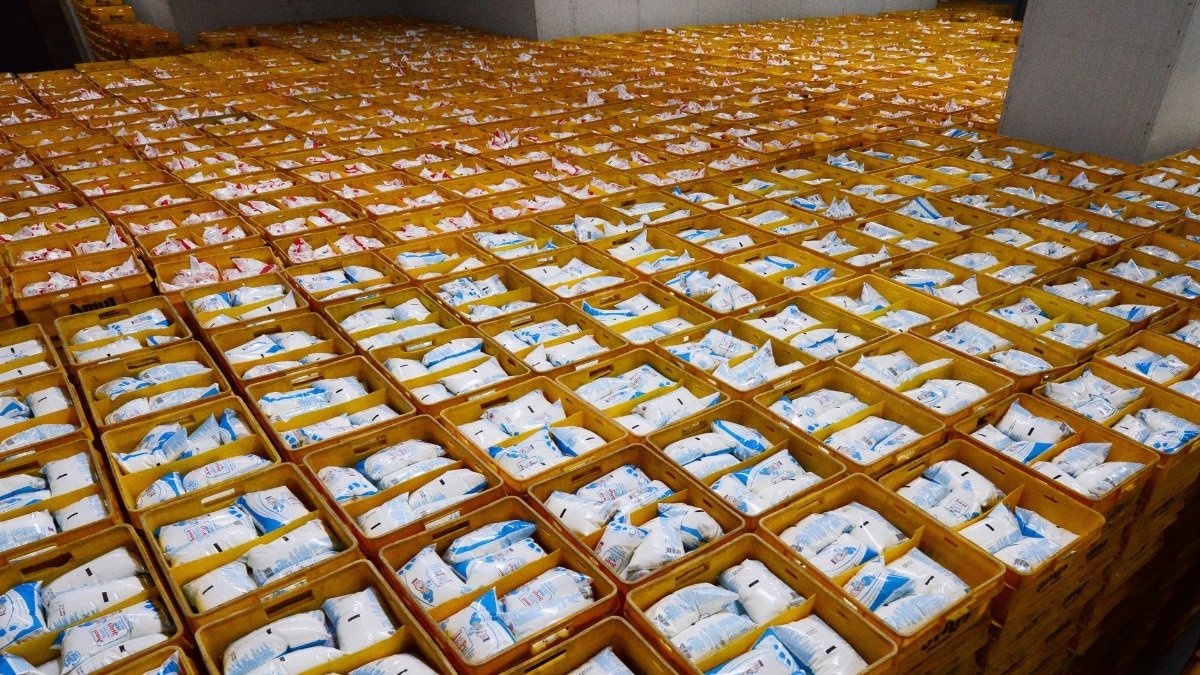
The study reported approximately 17.8 particles per litre in farm milk, while packaged milk samples contained between approximately 37.8 and 71.1 particles per litre.
| Milk Type | Reported Microplastic Concentration |
|---|---|
| Raw/farm-fresh milk | ~17.8 particles/litre |
| Packaged milk | ~37.8–71.1 particles/litre |
| September study range | 3–30 particles/litre |
The research indicates that packaging may be one potential contributor to microplastic exposure, although contamination can occur at multiple points before milk reaches consumers.
Multiple Potential Sources Across the Dairy Chain
Researchers have identified several possible pathways through which plastics could enter milk. These include fodder bags, milking equipment, filtration systems, processing equipment and packaging materials.
This means the issue extends beyond the final plastic container or pouch. Microplastic contamination may potentially occur during production, collection, processing, filtration and packaging.
For the dairy industry, identifying and controlling these potential pathways could become increasingly important as research into foodborne microplastics expands.
Health Implications Remain Under Investigation
The detection of microplastics in milk does not establish that consuming a particular quantity of milk causes disease. Human health research on chronic dietary exposure remains an evolving field, and scientists are still investigating how different particle sizes, polymer types and exposure levels may affect the body.
Laboratory and animal research has associated microplastic exposure with processes including inflammation, oxidative stress, tissue injury and changes in cellular activity. Researchers are also paying increasing attention to nanoplastics because their smaller size may allow them to interact differently with biological systems.
Microplastics have been detected in several human biological samples, including blood, liver, colon, semen and breast milk. However, detection does not by itself establish the health consequences of long-term exposure or prove that microplastics caused a particular disease.
Implications for Dairy Industry and Regulators
The emerging evidence presents a broader food-safety challenge for the dairy industry. Because milk is consumed regularly and is an important source of protein and other nutrients, reducing avoidable contamination could become an important area of focus.
Potential interventions could involve reviewing plastic materials used throughout dairy production, improving equipment and filtration practices, monitoring packaging materials and developing more comprehensive testing protocols.
For regulators and dairy companies, a key challenge will be determining the extent of contamination, identifying its major sources and establishing appropriate exposure benchmarks as scientific evidence develops.
The current research does not suggest that consumers should automatically stop consuming milk. Instead, it highlights the need for continued scientific investigation and efforts to minimise avoidable microplastic contamination throughout the dairy supply chain.
As research progresses, greater attention is likely to be placed on the interaction between food packaging, processing equipment, farm practices and food safety. For India’s dairy sector, understanding these pathways could help inform future quality-control measures and packaging strategies.