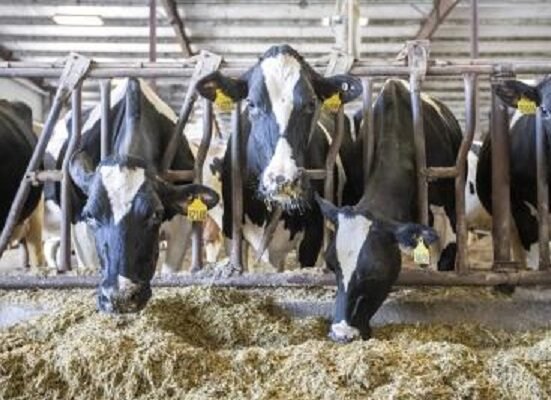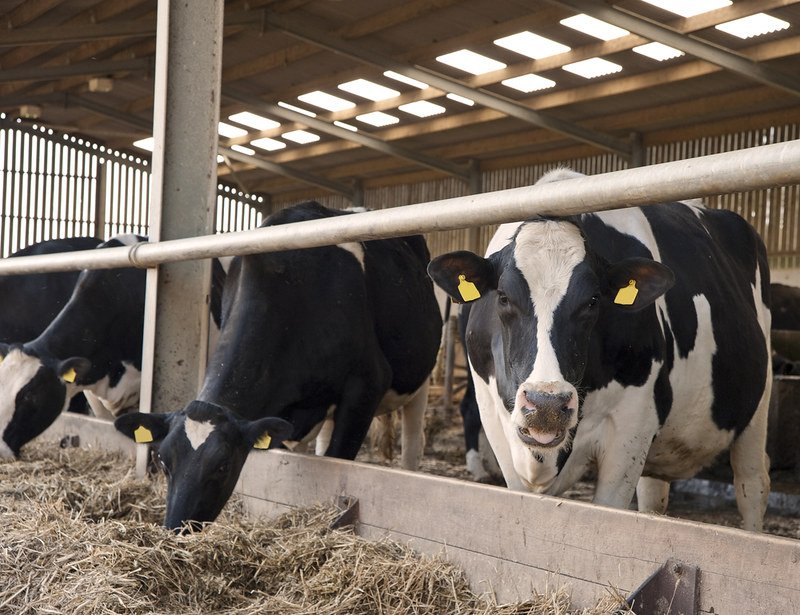
USDA confirms H5N1 infection in an Oregon dairy herd, marking the state’s first reported cattle case since the outbreak began in 2024.
The United States Department of Agriculture’s Animal and Plant Health Inspection Service (USDA-APHIS) has confirmed the first reported case of highly pathogenic avian influenza (HPAI) in a dairy cattle herd in Oregon. The detection involves the H5N1 virus, classified as clade 2.3.4.4b, and was confirmed through polymerase chain reaction (PCR) testing conducted by the National Veterinary Services Laboratories.
The announcement, dated 12 November 2026, marks a new development in the ongoing HPAI outbreak affecting the US dairy industry. APHIS stated that genetic sequencing is still pending and that final results will be announced once the analysis is complete.
Detection Emerges During Routine Dairy Herd Surveillance
The affected dairy herd was identified through Oregon’s ongoing surveillance programme for HPAI in dairy cattle. According to USDA-APHIS, the herd had consistently tested negative during previous routine surveillance conducted under the National Milk Testing Strategy.
The latest detection highlights the importance of continued monitoring and diagnostic testing, including in herds that have previously returned negative results.
Oregon’s first reported cattle case also adds to the geographic spread of HPAI detections across the US dairy sector. Since the outbreak began in March 2024, dairy cattle in 22 states have been infected. APHIS has also reported detections in states that had not previously recorded cases during 2026, including Indiana.
USDA and Oregon Authorities Begin Further Investigation
Following confirmation, USDA-APHIS is working with the Oregon Department of Agriculture to conduct additional on-farm investigations, diagnostic testing and epidemiological data collection.
These activities are intended to improve understanding of the detection and help prevent further disease transmission. Genetic sequencing will provide additional information about the virus, with final findings expected to be shared by APHIS when available.
The investigation forms part of the broader surveillance and disease-response efforts being undertaken by federal and state authorities to monitor HPAI in dairy cattle.
Detection Does Not Change National Eradication Strategy
USDA-APHIS stated that the Oregon detection does not change the department’s existing HPAI eradication strategy.
The agency also clarified that the detection does not pose a risk to consumer health or affect the safety of the commercial milk supply.
For the dairy industry, the announcement reinforces the need for continued herd surveillance, timely diagnostic testing and coordination between producers and animal health authorities. Routine monitoring remains important for identifying infections, including in herds that have previously tested negative.
Continued Monitoring Remains Important for the Dairy Sector
The first reported HPAI detection in Oregon demonstrates that the geographic distribution of the outbreak continues to evolve. As investigations progress, further findings from genetic sequencing and on-farm testing are expected to provide additional information about the case.
For dairy producers, processors and animal health professionals, maintaining surveillance and following relevant veterinary guidance remain important elements of disease management.
Although USDA has confirmed that the detection does not affect commercial milk safety or alter its eradication strategy, the development highlights the continuing importance of coordinated disease monitoring across the US dairy industry.