The Southern African Development Community (SADC) is stepping up efforts to strengthen animal health systems, improve livestock productivity and expand access to regional and international markets through the second phase of the Strengthening of Animal Health Services in Southern Africa (STOSAR II) programme. Running from 2024 to 2028, the initiative aims to address persistent animal disease challenges and improve the competitiveness of livestock value chains, including the dairy industry.
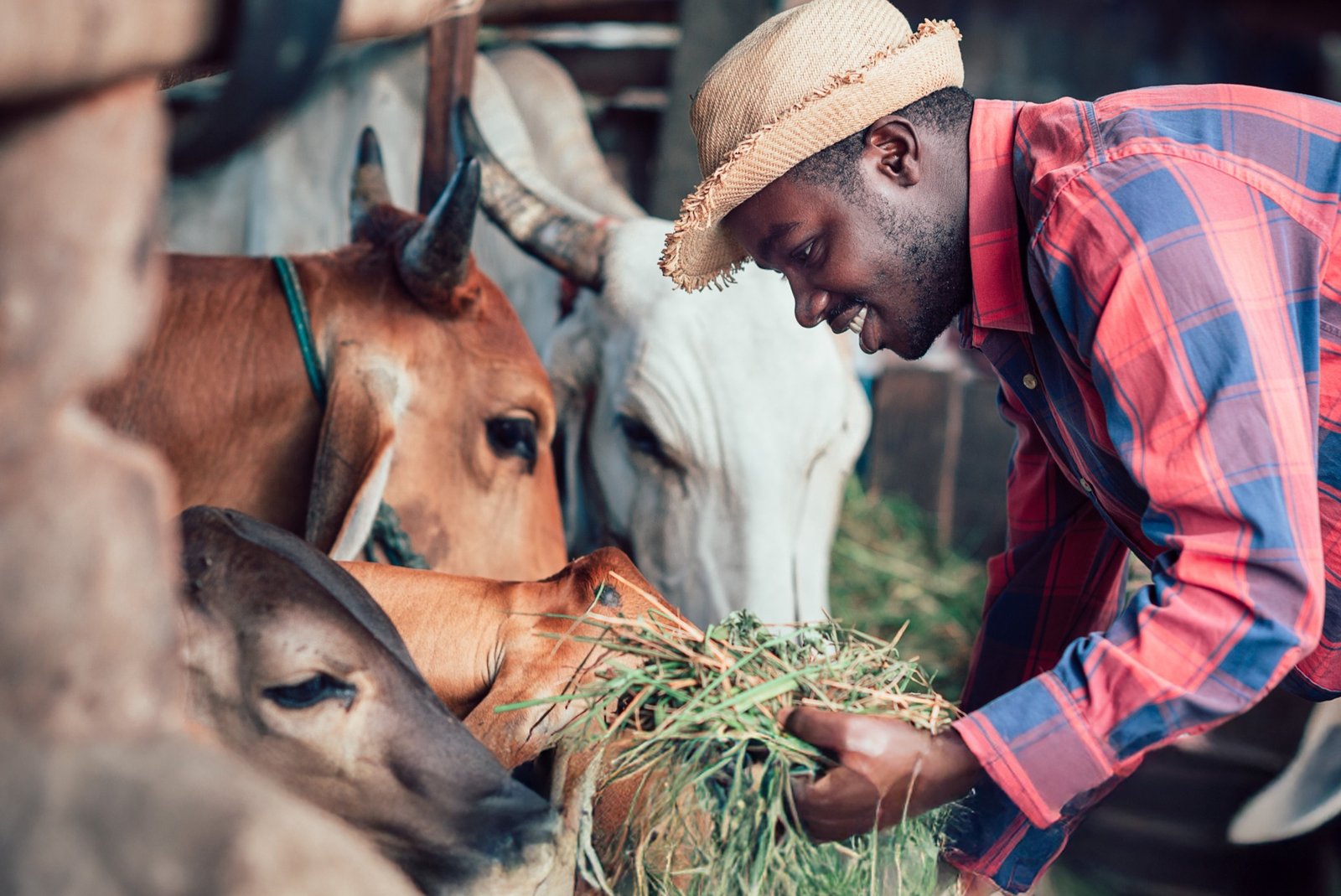
Livestock plays a significant role in Southern Africa’s agricultural economy, contributing up to 40% of agricultural gross domestic product (GDP) across the SADC region. Approximately 100 million people, representing 42% of the regional population, depend on livestock for income, food and economic resilience. Strengthening animal health services is therefore essential for protecting rural livelihoods, supporting milk production and improving the availability of safe, nutritious dairy products.
Animal Health Challenges Affecting Dairy Production
The SADC region possesses considerable livestock resources, including nearly 75 million cattle, 37 million sheep, 56 million goats, 15 million pigs and more than 400 million poultry, according to FAOSTAT data from 2016. However, the sector continues to face animal disease outbreaks, limited veterinary infrastructure and gaps in disease surveillance and regulatory compliance.
For dairy farmers, these challenges can affect herd health, milk yields, reproductive performance and farm profitability. Diseases such as Foot-and-Mouth Disease (FMD) can disrupt cattle movement, restrict trade and create additional costs for dairy producers. Other transboundary animal diseases, including Contagious Bovine Pleuropneumonia (CBPP), also require coordinated prevention and control measures.
Weak laboratory capacity, inadequate veterinary services and inconsistent certification systems can further complicate the movement of livestock and animal products across borders. Improving disease detection, veterinary inspections and compliance with international sanitary and phytosanitary (SPS) standards is consequently important for strengthening dairy supply chains and facilitating safer trade.
Building on STOSAR I Achievements
Funded by the European Union under the 11th European Development Fund, the first phase of STOSAR established a foundation for improved animal health management across Southern Africa. Its achievements included regional strategies for FMD, Peste des Petits Ruminants (PPR) and Highly Pathogenic Avian Influenza (HPAI), alongside support for national action plans.
The programme also strengthened disease surveillance, supplied laboratory equipment and diagnostic materials, and supported laboratory accreditation assessments and quality management training. Additional initiatives promoted risk-based disease control, epidemiological mapping and Commodity-Based Trade (CBT), which can help facilitate trade when appropriate product-specific risk management measures are applied.
These improvements are relevant to dairy businesses because effective veterinary diagnostics, reliable disease monitoring and transparent certification systems help protect cattle populations and support confidence in animal-derived products.
STOSAR II Targets Stronger Veterinary Systems
Under its market access component, STOSAR II is expanding these efforts through collaboration with other programme areas, including Agricultural Information Management Systems, value chains and plant health.
Key activities include integrating Livestock Information Management Systems (LIMS), updating disease risk maps, implementing national disease-control strategies and strengthening cross-border surveillance. The programme is also supporting national Foot-and-Mouth Disease Progressive Control Pathway roadmaps and efforts related to PPR certification.
Veterinary laboratory capacity is another priority. Planned interventions include staff training, laboratory accreditation, proficiency testing and the provision of equipment, reagents and consumables. The programme also intends to pilot electronic veterinary certification systems at high-volume border posts, potentially improving the efficiency of livestock and animal-product trade documentation.
For the dairy sector, stronger information systems and veterinary coordination could help authorities identify disease risks more quickly, improve traceability and support more predictable livestock movement. These measures can contribute to healthier dairy herds and more resilient milk supply chains, although their impact will depend on implementation at national and farm levels.
Regional Partnerships and Dairy Market Opportunities
STOSAR II works with the SADC Secretariat, member-state governments and regional and international partners. The Centre de coopération internationale en recherche agronomique pour le développement (CIRAD) supports regional laboratory capacity development.
The programme also promotes cooperation on SPS regulations, Commodity-Based Trade guidelines and One Health initiatives, which recognise the connections between human, animal and environmental health.
For Southern Africa’s dairy industry, stronger animal health infrastructure could create opportunities to improve productivity, strengthen food safety and facilitate access to regional markets. However, expanding dairy trade will also require investment in milk collection, cold-chain infrastructure, processing capacity and quality assurance.
By improving veterinary services and regional coordination between 2024 and 2028, STOSAR II aims to help unlock the wider potential of livestock production. Effective implementation could provide dairy farmers, processors and traders with a stronger foundation for sustainable growth, safer animal-product trade and improved rural livelihoods across the SADC region.